How to Photograph Events in Low Light Without Losing Atmosphere

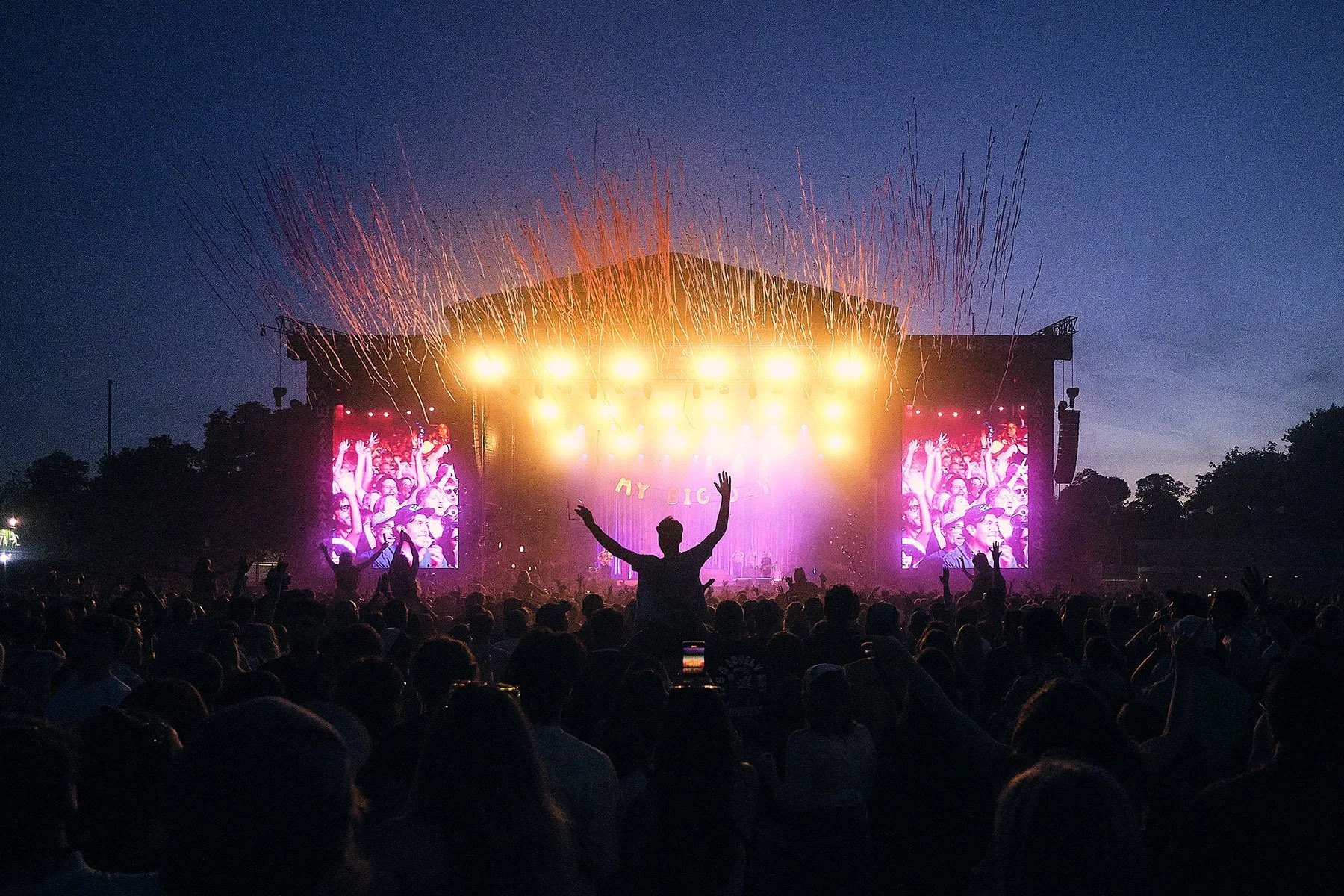
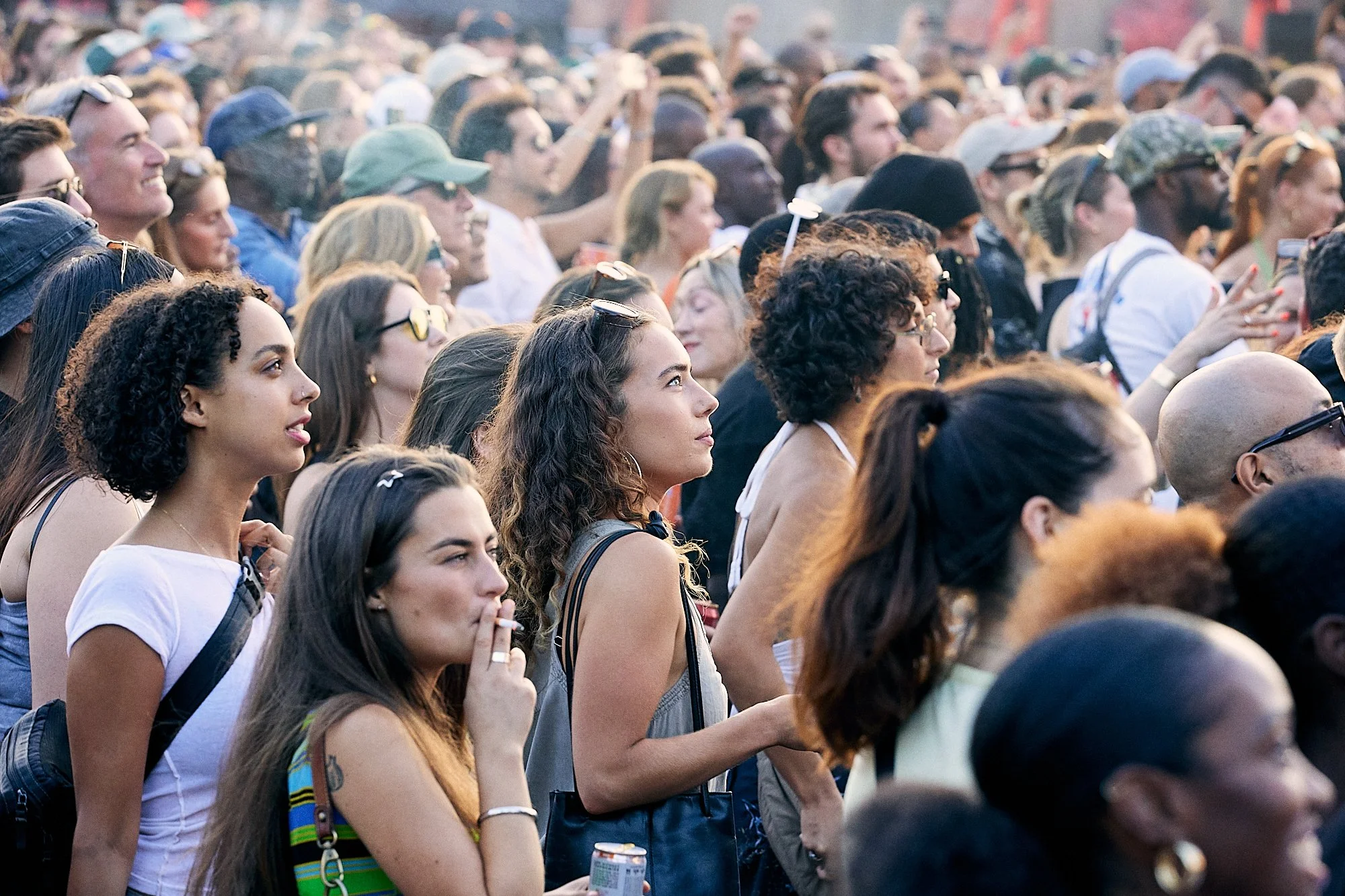
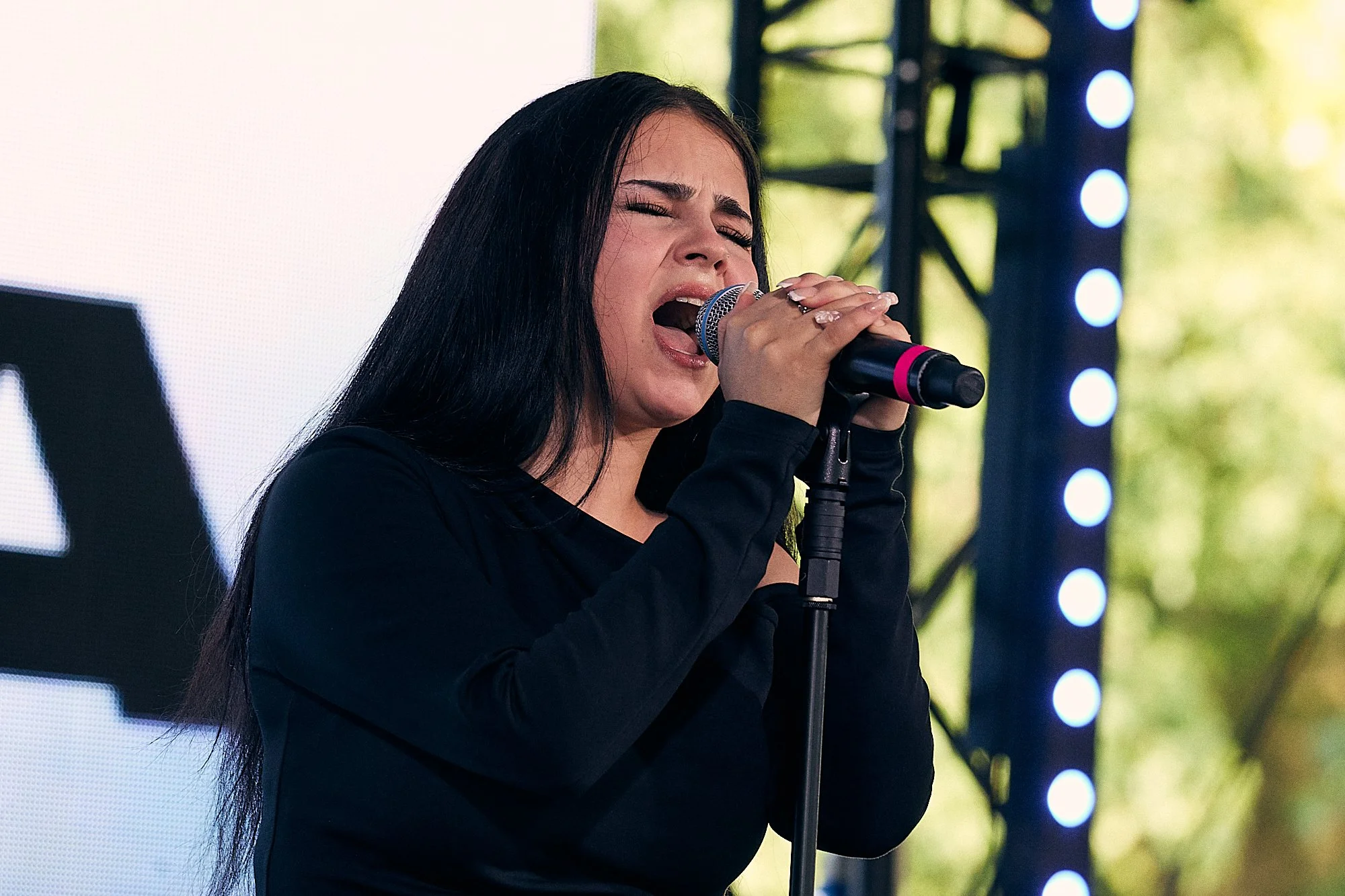
Low-light photography is one of the biggest challenges event photographers face. Whether covering concerts, awards ceremonies, networking events, festivals, or evening product launches, the goal is not simply to make a scene brighter. It is to preserve the atmosphere that makes the event memorable.
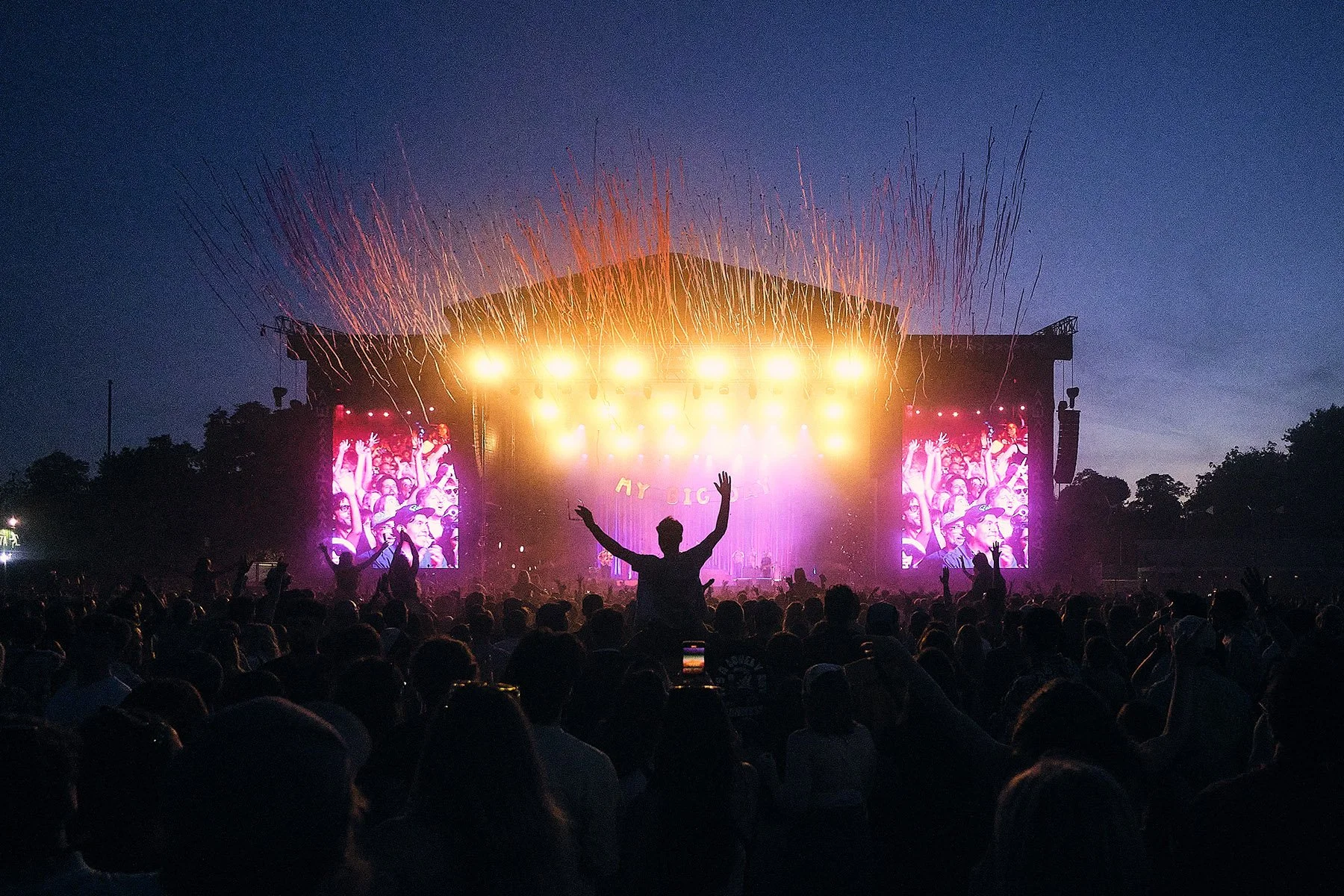
Many venues invest heavily in lighting design to create a specific mood. Brightening every image with flash can remove that ambience and make photographs feel flat. Instead, professional event photographers use a combination of fast lenses, modern camera technology, and careful exposure techniques to work with the available light.
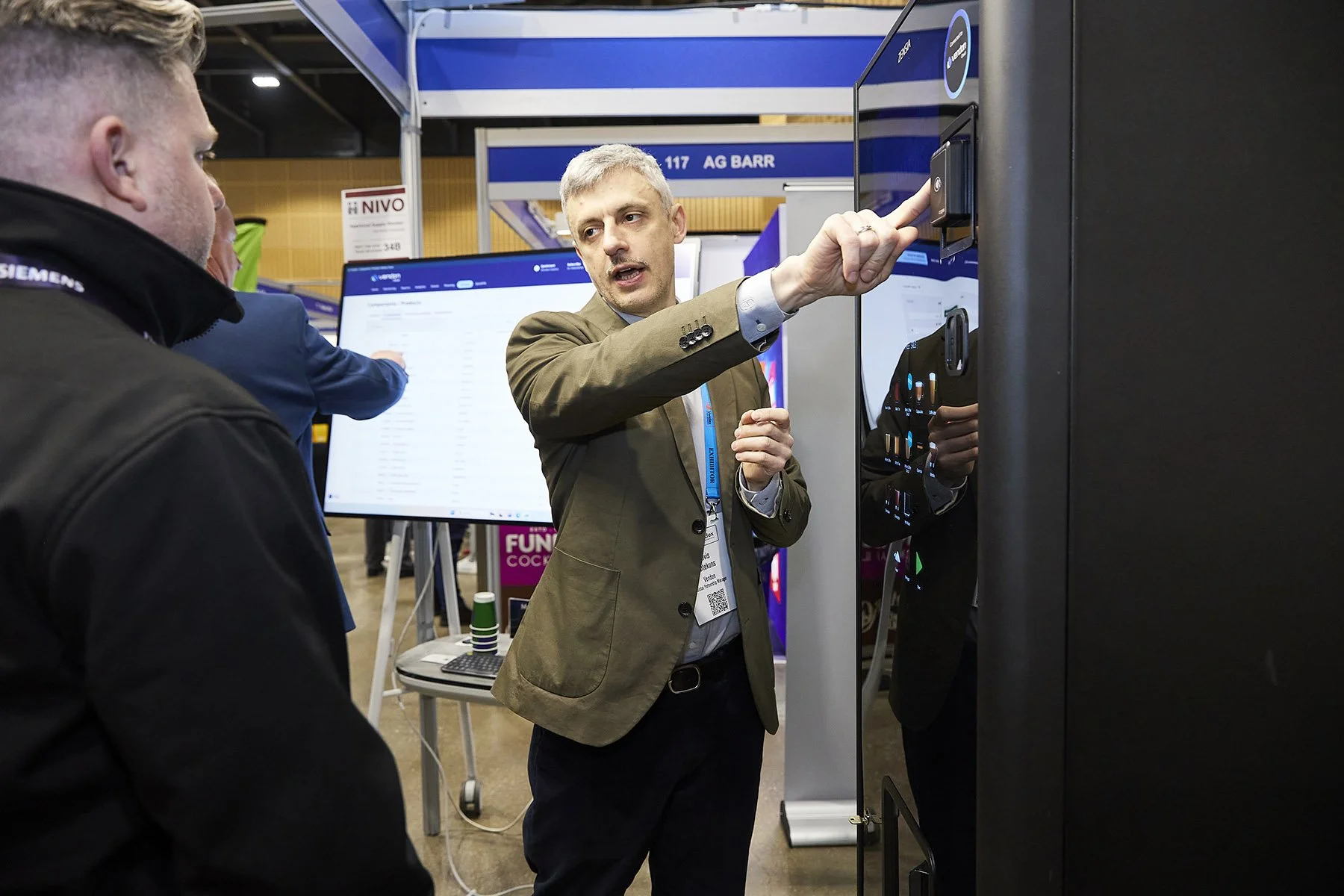
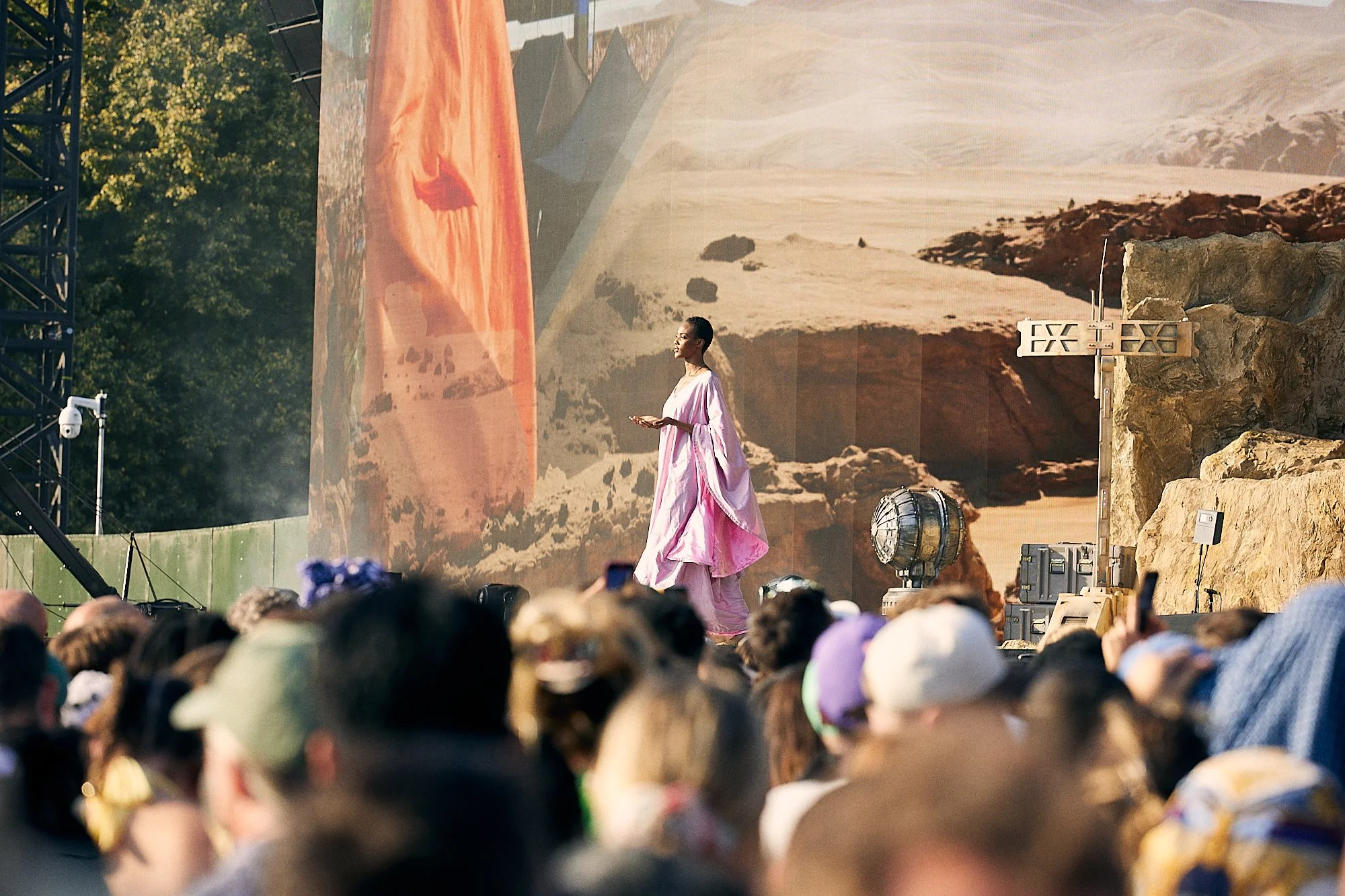
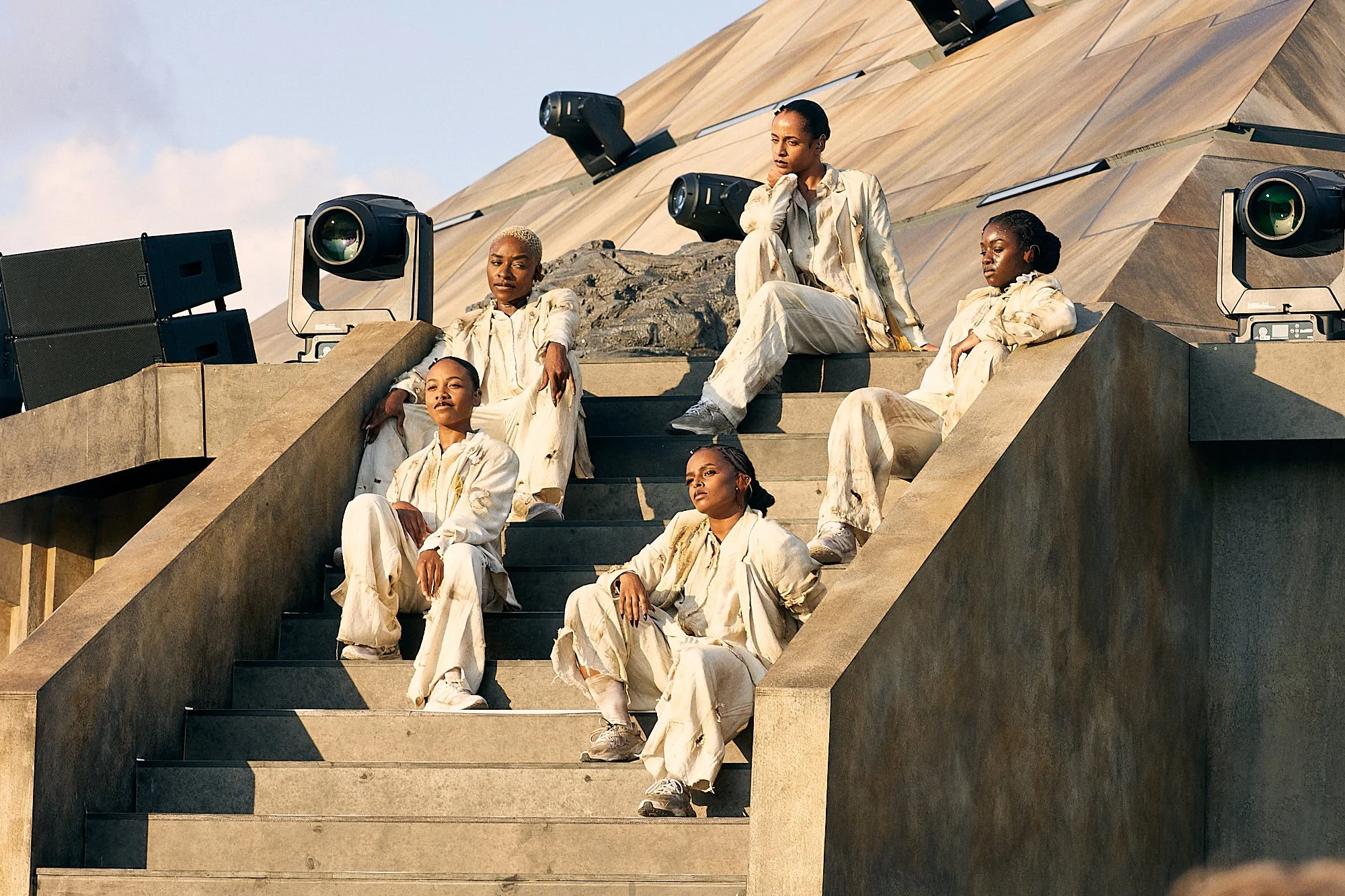
My approach has been refined through years of photographing live music events and concerts, where lighting changes constantly and moments happen in an instant. Learning to anticipate movement, position myself effectively, and use the light creatively allows me to capture authentic images that reflect the energy of the event.
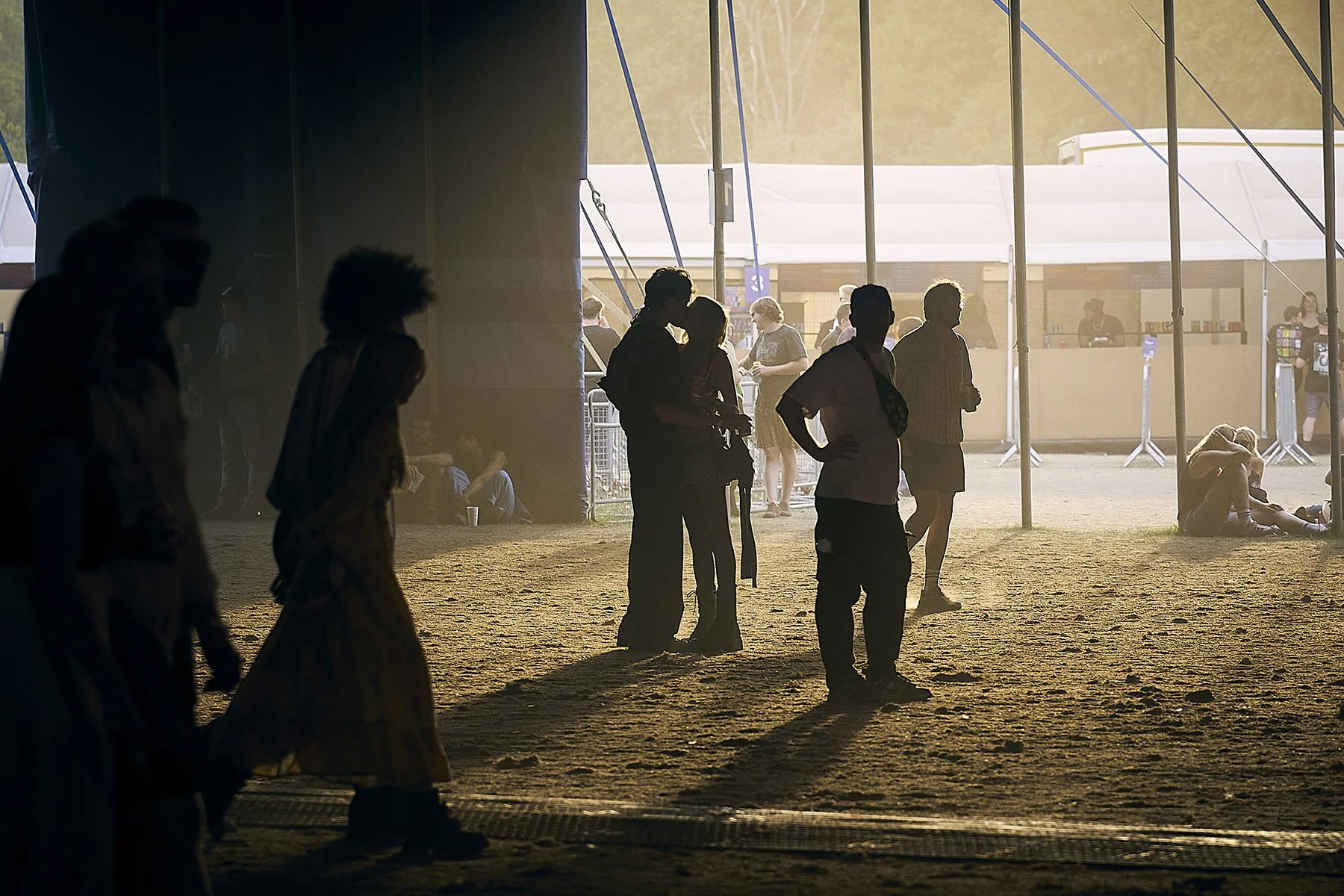
The same techniques apply to corporate awards evenings, networking receptions, and brand launches. Warm lighting, illuminated branding, audience reactions, and natural interactions all contribute to the story of the event.
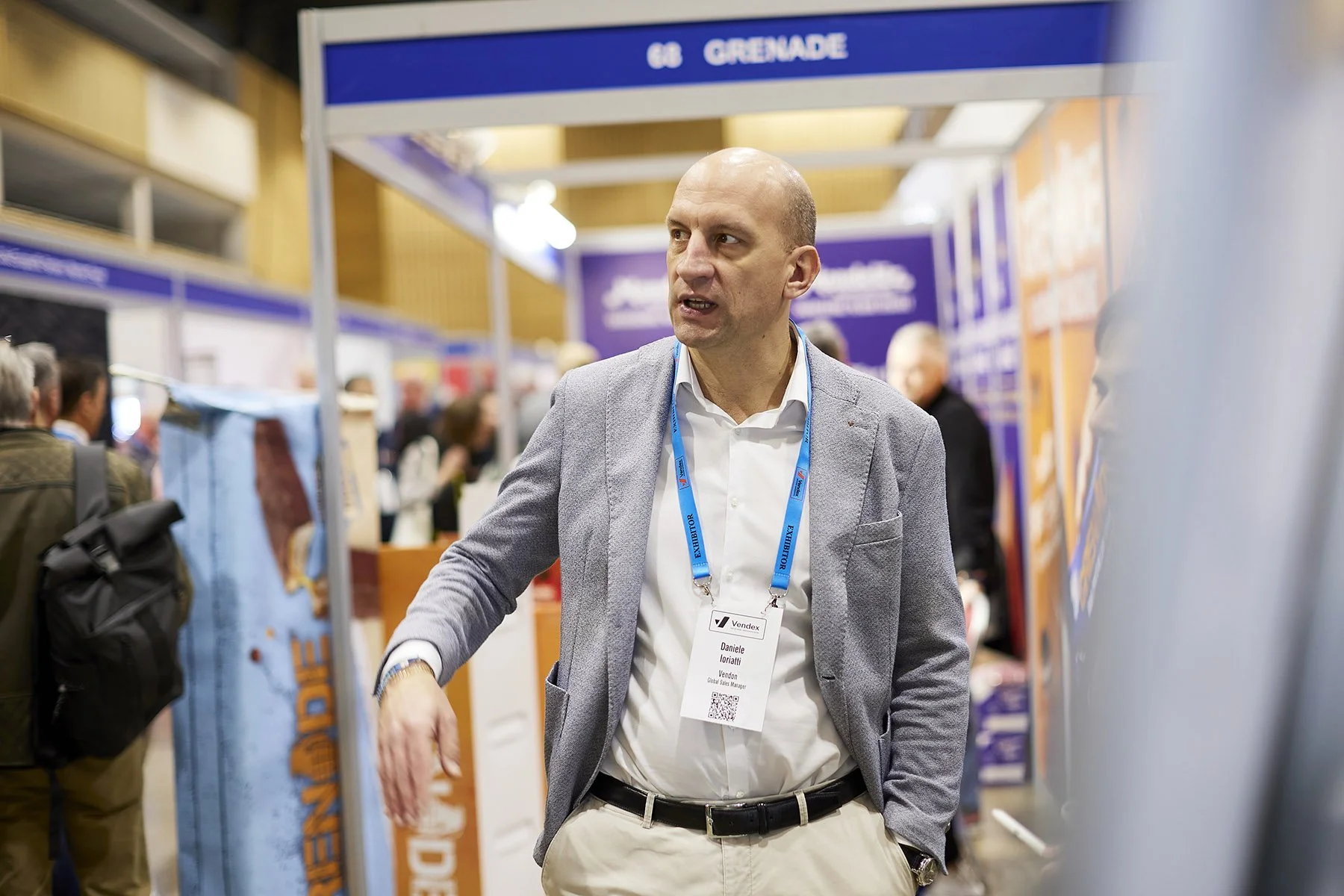
Great event photography should transport viewers back to the experience itself. By embracing the available light rather than fighting it, photographers can create images that feel natural, immersive, and true to the atmosphere guests experienced on the night.
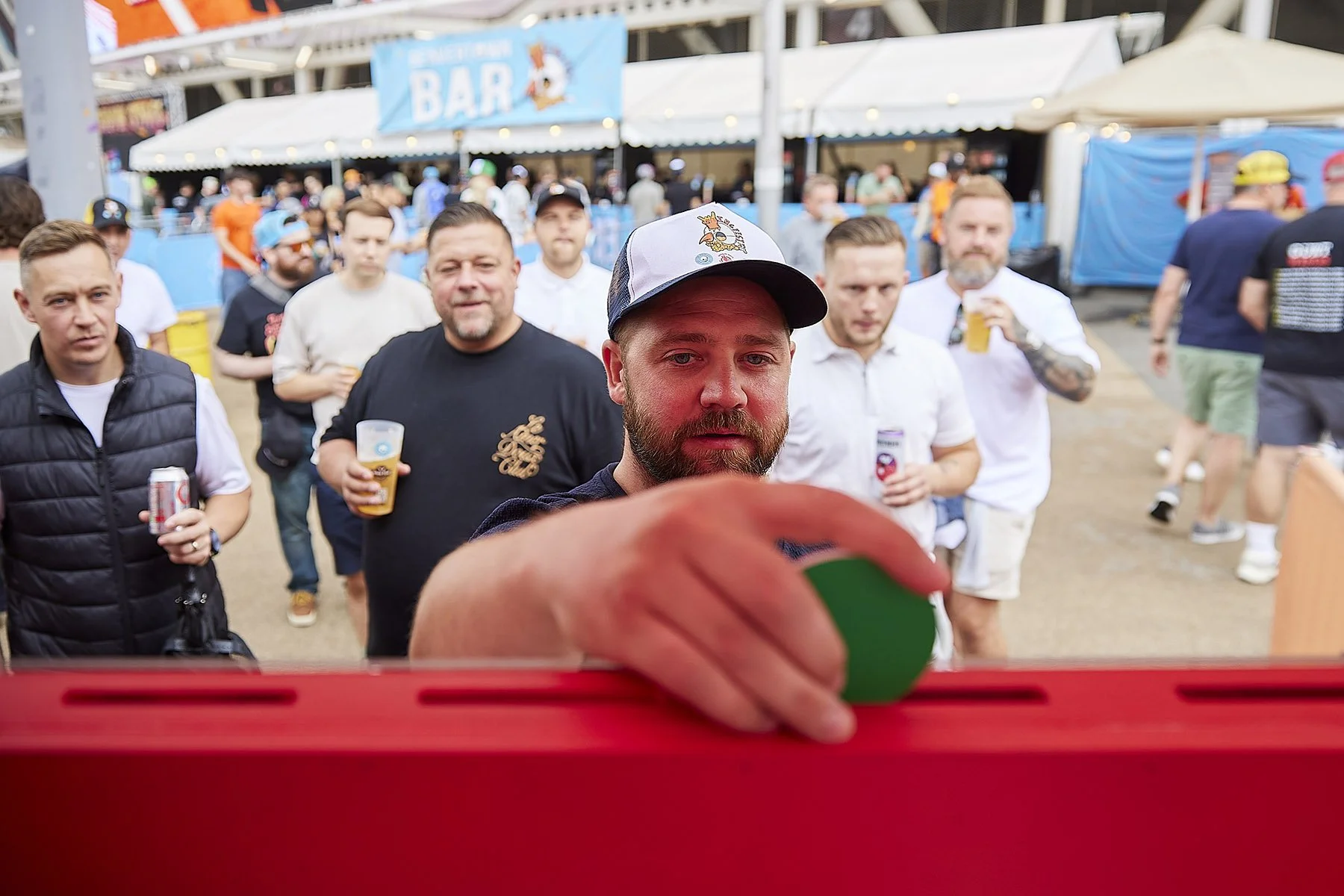
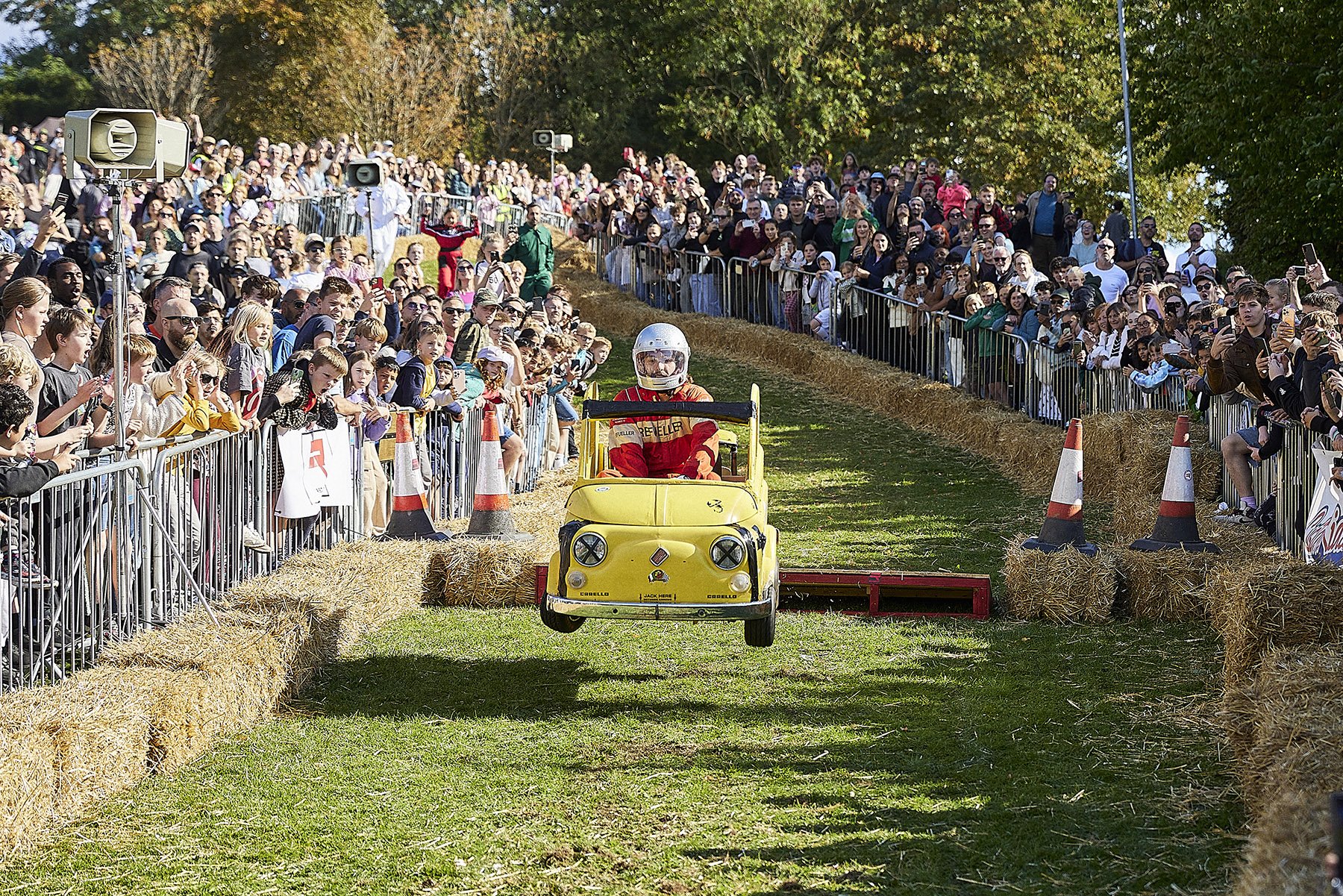
Why I Enter the Event Photography Awards

As a professional event photographer, entering photography competitions is not simply about winning awards. For me, the Event Photography Awards provide an opportunity to reflect on my work, celebrate the events I have documented, and challenge myself to keep improving.

Event photography often focuses on delivering images quickly and consistently for clients. While that remains the priority, awards encourage photographers to look beyond the brief and identify images that tell a deeper story. They provide a chance to revisit thousands of photographs and recognise the moments that truly capture emotion, atmosphere, and human connection.

The Event Photography Awards also showcase the incredible diversity of the industry. From corporate conferences and product launches to festivals, charity events, and sporting occasions, the entries demonstrate the creativity and skill required to photograph live events successfully.

Entering awards helps raise the profile of event photography as a specialist profession. Great event photography requires anticipation, storytelling, technical expertise, and the ability to work under pressure in constantly changing environments.

Most importantly, the process encourages me to evaluate my own work. Every entry prompts questions about composition, timing, storytelling, and impact. Whether an image receives recognition or not, the experience helps me grow as a photographer and ultimately deliver stronger results for my clients.
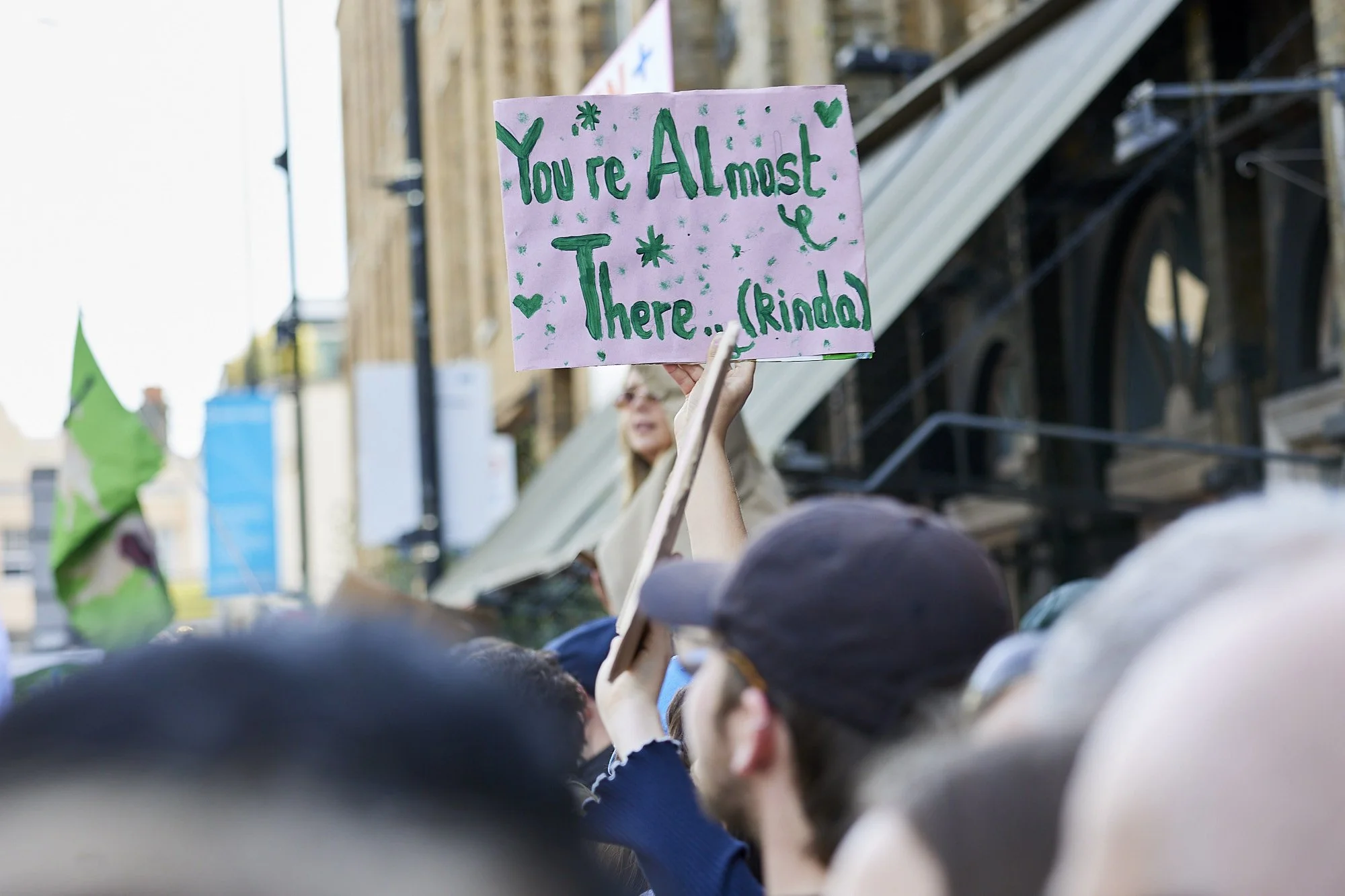
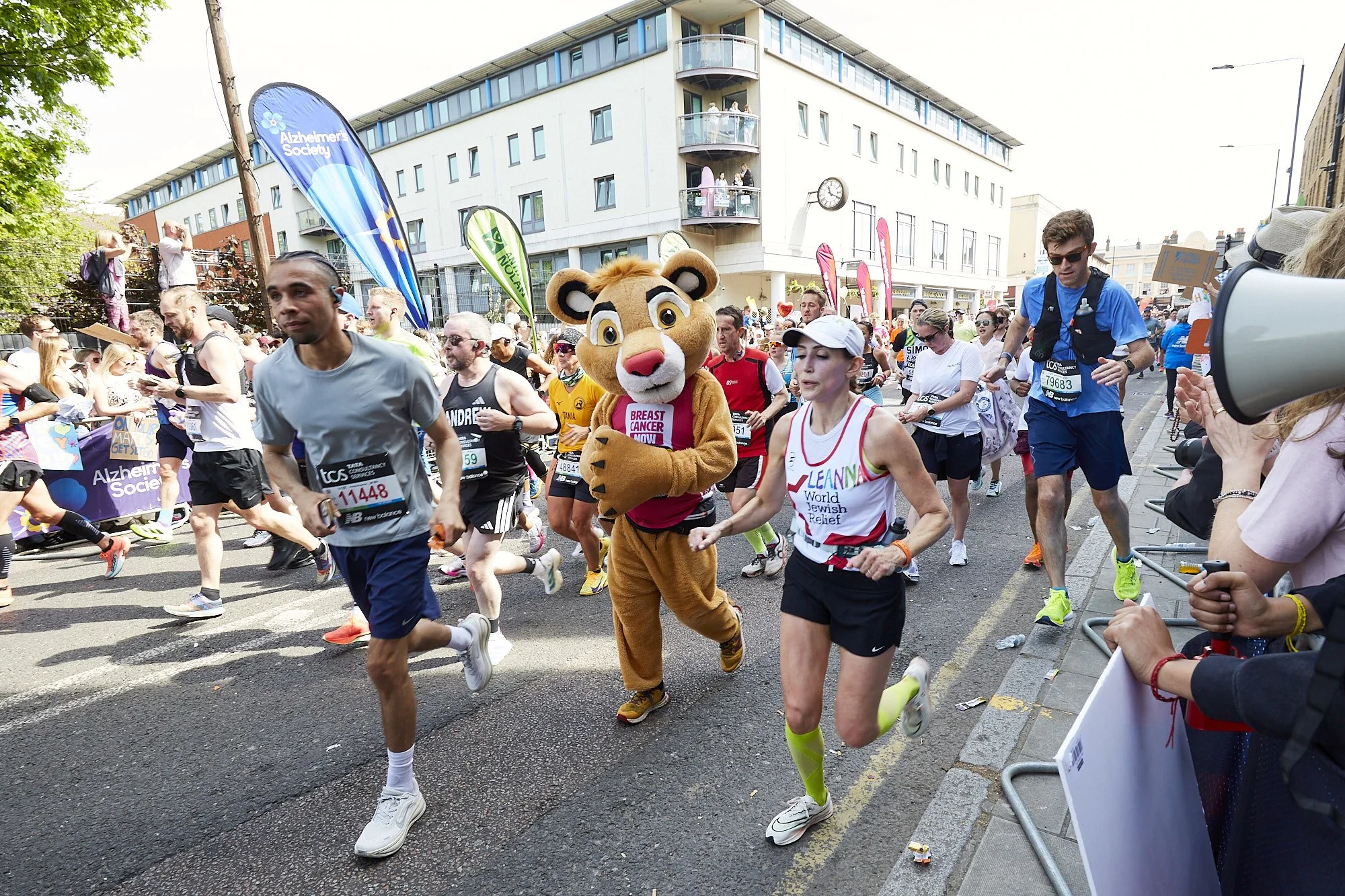
The Secret to Better Event Photos Starts Before the Event

Hiring an event photographer is about more than booking someone with a camera. A little preparation can make a significant difference to the quality and usefulness of your final images.

1. Create a Clear Brief

Start by outlining the purpose of your event and what success looks like. Explain whether the focus is on networking, brand awareness, audience engagement, fundraising, or celebrating a milestone.

2. Share the Event Schedule

Providing a detailed timetable helps your photographer plan for key moments such as speeches, presentations, awards, performances, or product launches.

3. Prepare a Shot List

While candid photography is important, it is helpful to identify any must-have images. This might include sponsors, exhibitors, keynote speakers, group photos, or specific activities.

4. Highlight Branding and VIP Guests

If branding is a priority, let your photographer know which logos, displays, products, or installations should feature prominently. It is also important to identify VIP guests and stakeholders who should be photographed.

5. Consider Image Usage Requirements

Think about how the photographs will be used. Images intended for social media, press releases, websites, marketing campaigns, or annual reports may require different approaches and delivery timelines.

Good preparation helps ensure your event photography delivers maximum value long after the event has ended.

How Professional Event Photography Helps Brands Stand Out

In today’s digital-first world, professional event photography is no longer a luxury, it’s an essential marketing tool. Whether you're hosting a corporate conference, product launch, networking event, or charity fundraiser, high-quality photography helps extend the value of your event long after the guests have left.
Professional event photography provides brands with a library of authentic content that can be used across multiple channels. Images captured during an event can support social media campaigns, helping businesses showcase their culture, engage audiences, and generate excitement around future events. Strong visual content consistently performs better online, increasing engagement and encouraging shares.
Event photography also plays an important role in public relations. Media outlets, sponsors, and partners are far more likely to feature stories accompanied by professional imagery. Well-composed photographs help communicate the scale, atmosphere, and success of an event.

Beyond immediate marketing needs, event photographs become valuable long-term brand assets. They can be used on company websites, in annual reports, recruitment campaigns, presentations, and promotional materials. Rather than relying on generic stock imagery, brands can showcase real people, real experiences, and genuine interactions.

Ultimately, professional event photography helps businesses tell their story, strengthen their brand identity, and create lasting visual content that continues delivering value long after the event itself.

What Makes a Great Event Photographer in London?

In a city as fast-paced and visually competitive as London, great event photography is about far more than simply taking pictures. A professional event photographer captures the atmosphere, energy, branding, and emotion that make an event memorable and valuable long after it ends.

Anyone can photograph people standing in a room, but experienced event photographers understand how to tell the story of an event. From genuine networking moments and audience reactions to carefully framed brand visibility, every image should have purpose. Whether covering a corporate conference, product launch, awards ceremony, charity fundraiser, or live music event, the goal is to create images that feel authentic and engaging.

Professional event photography also plays a major role in marketing. High-quality imagery can be used across websites, press releases, LinkedIn, Instagram, and future promotional campaigns. Strong event coverage helps brands build credibility, showcase attendance, and demonstrate the success of their events.

Lighting, timing, composition, and anticipation are all essential skills, especially in challenging venues or low-light environments. The best event photographers know how to remain unobtrusive while still capturing key moments naturally.

Ultimately, great event photography is about documenting connection, atmosphere, and experience. Not just what happened, but how it felt to be there.

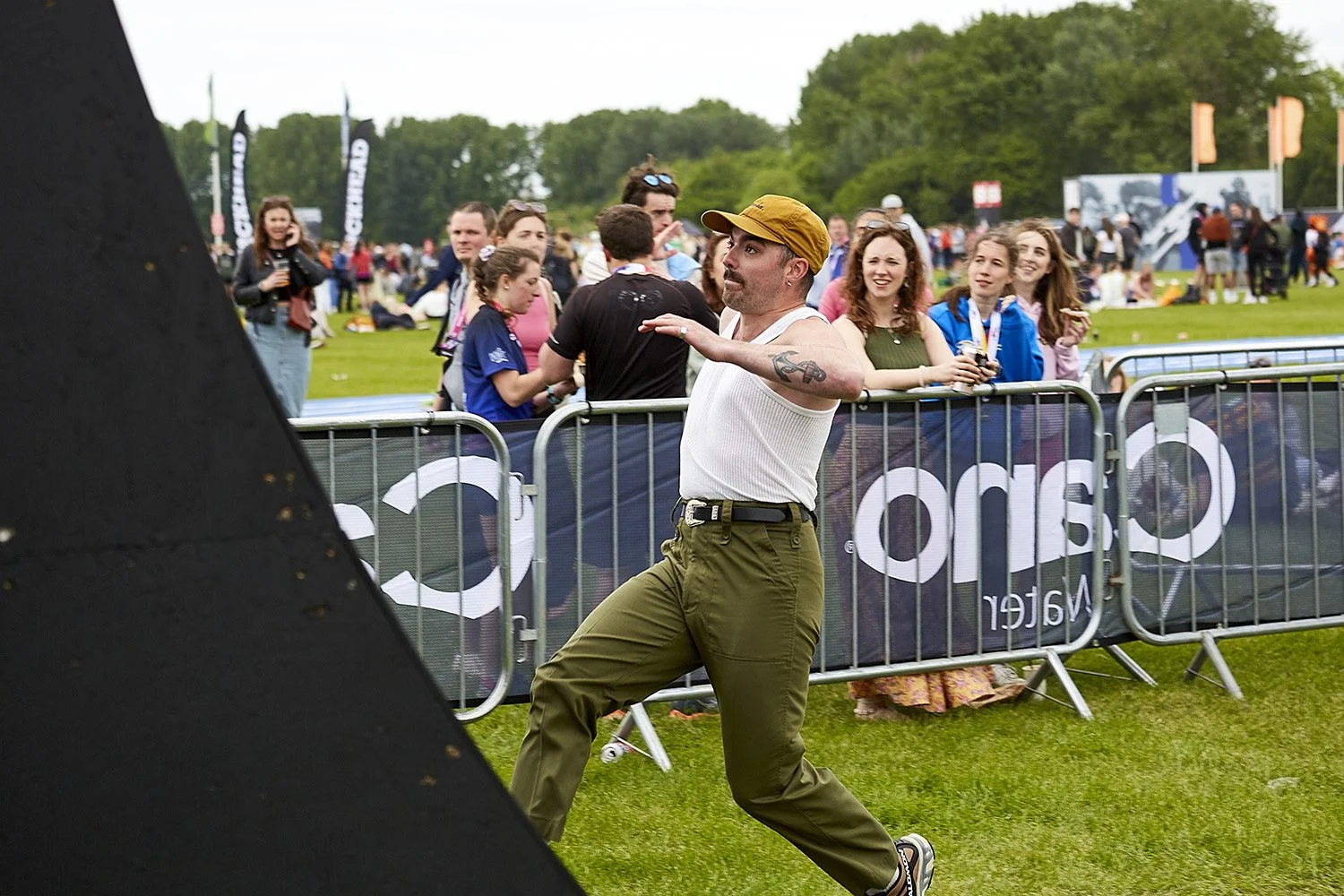
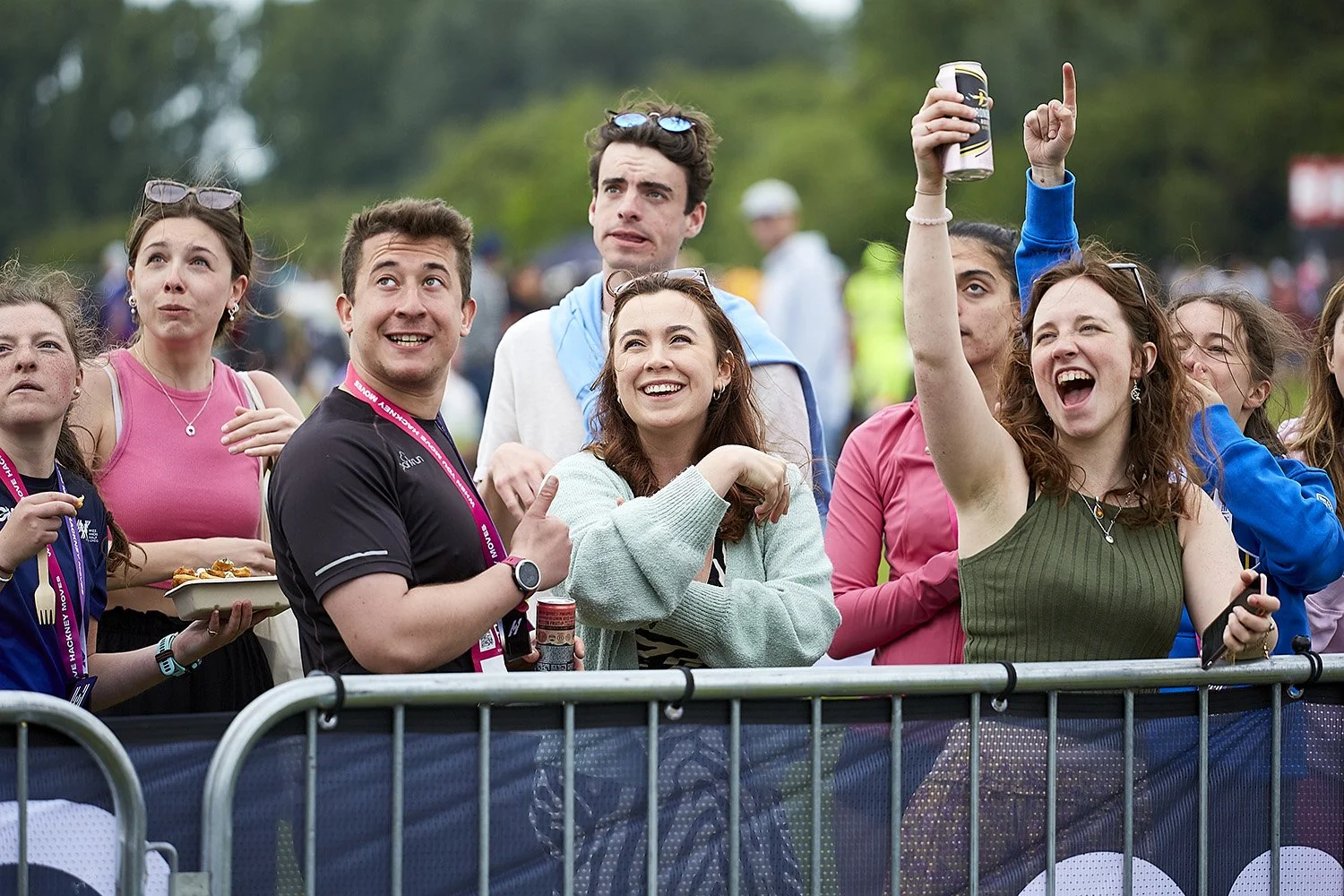
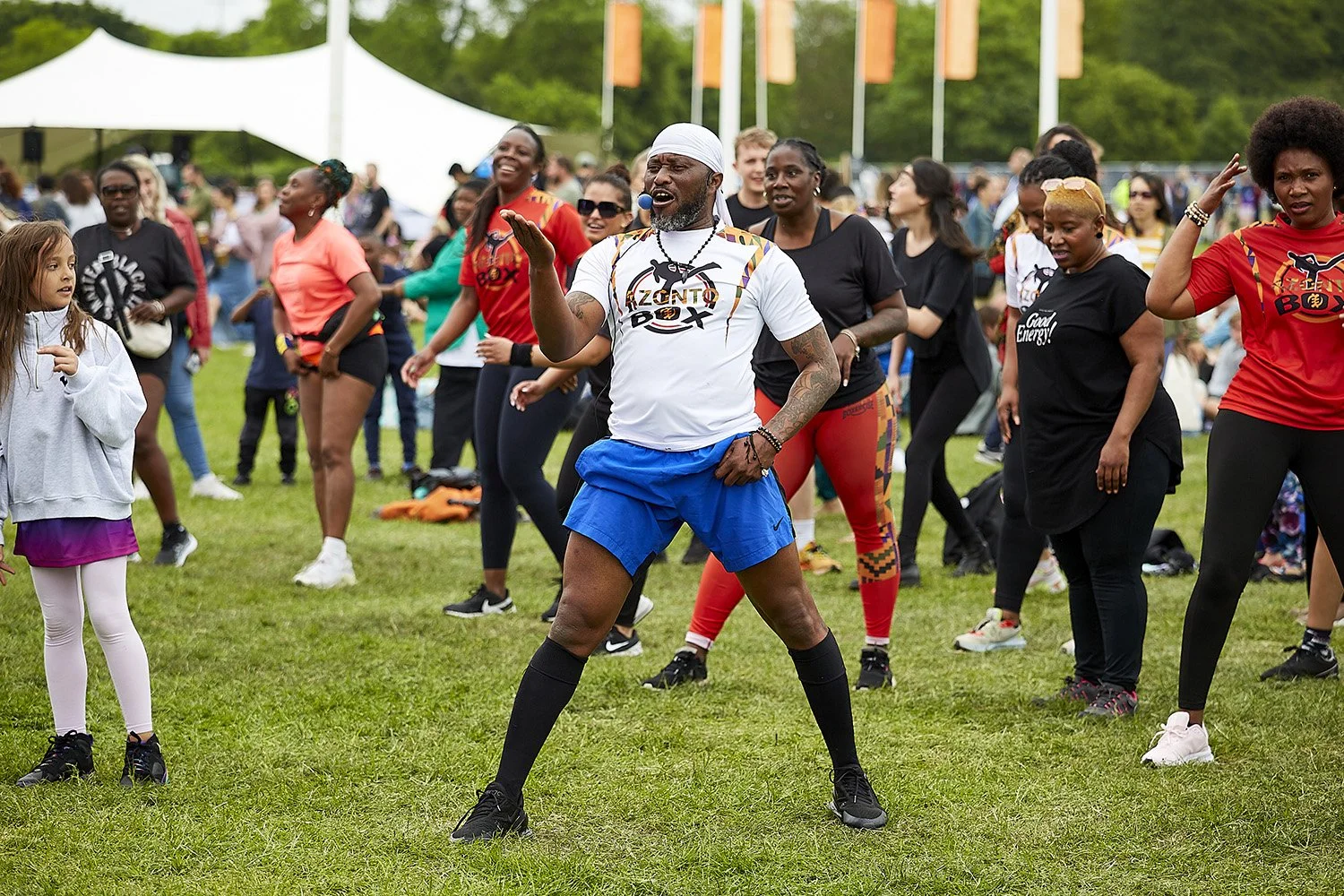
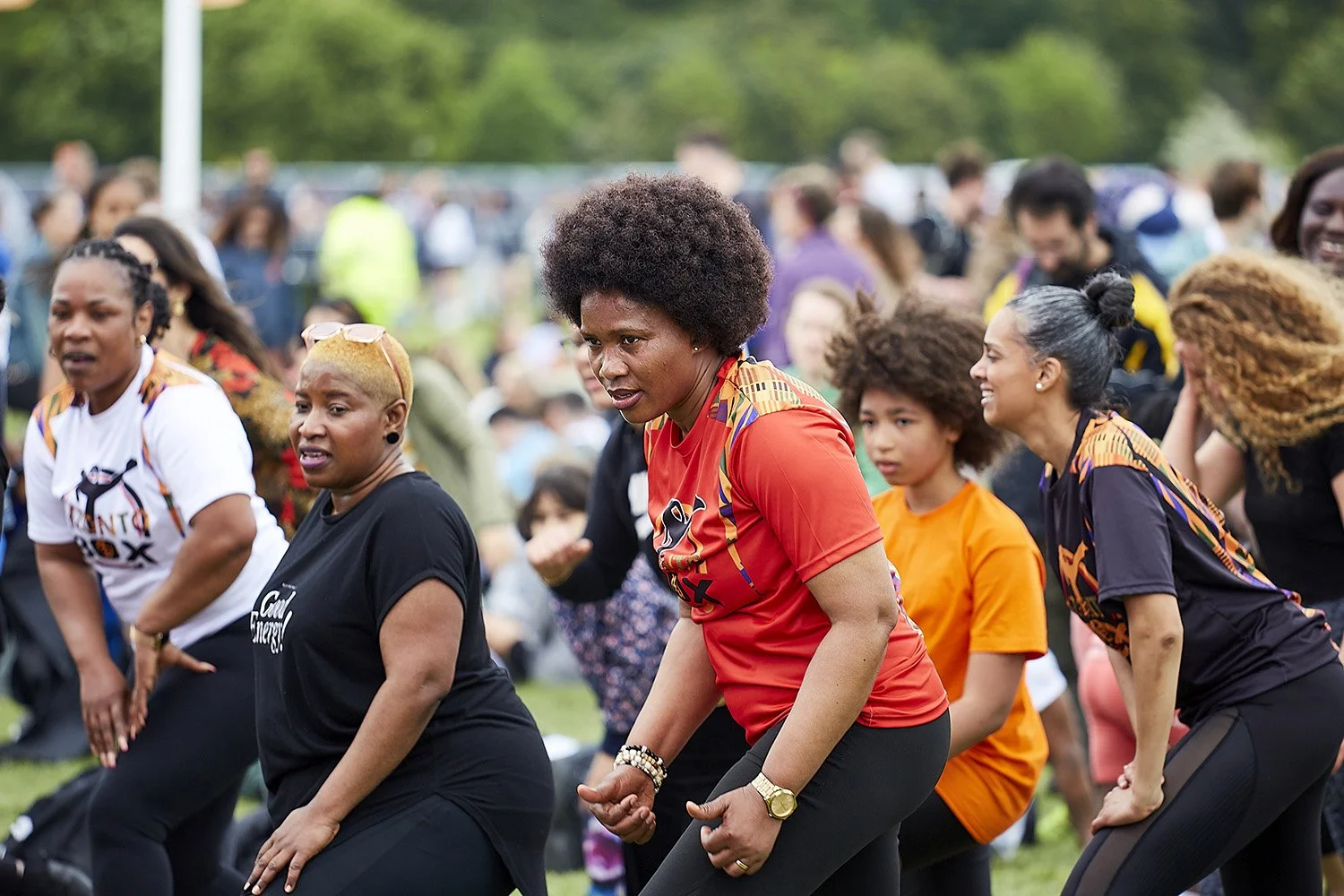
Behind the Lens at the Hackney Half | Event Photography in London

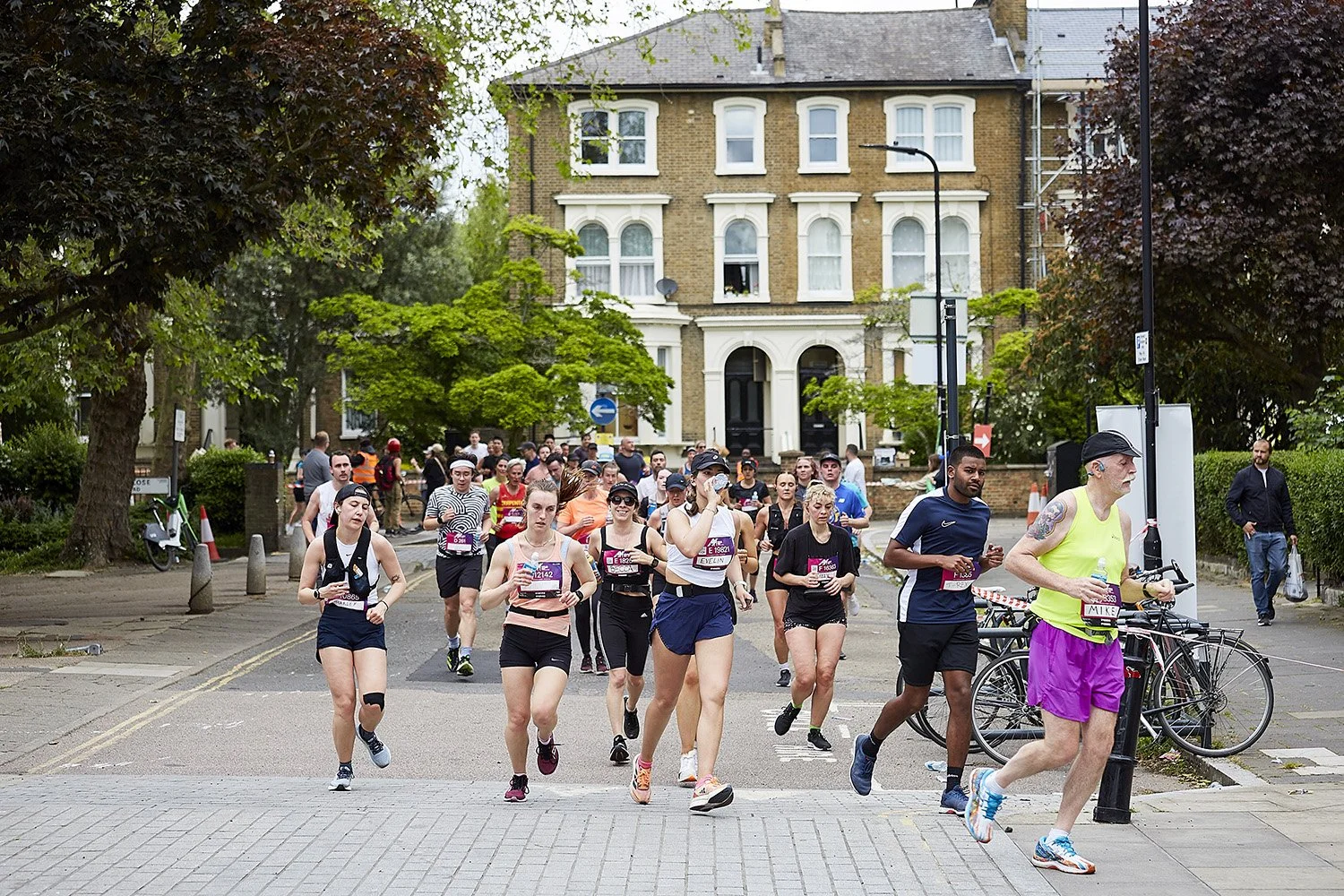
Returning to photograph the Hackney Half Marathon is always one of the highlights of the running calendar. As a professional event photographer in London, it’s an event that perfectly captures the energy, emotion and community spirit that make live events so rewarding to document.

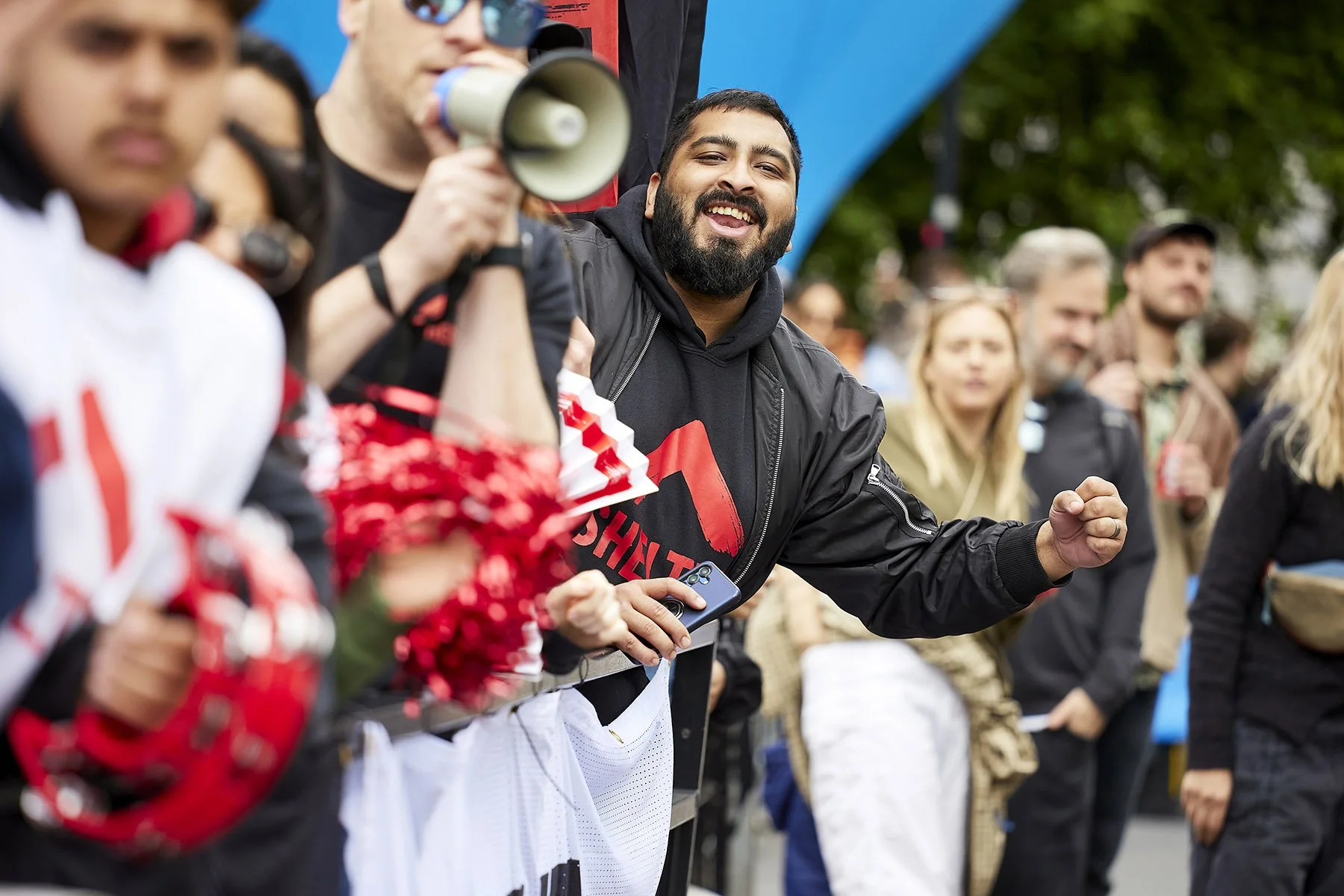
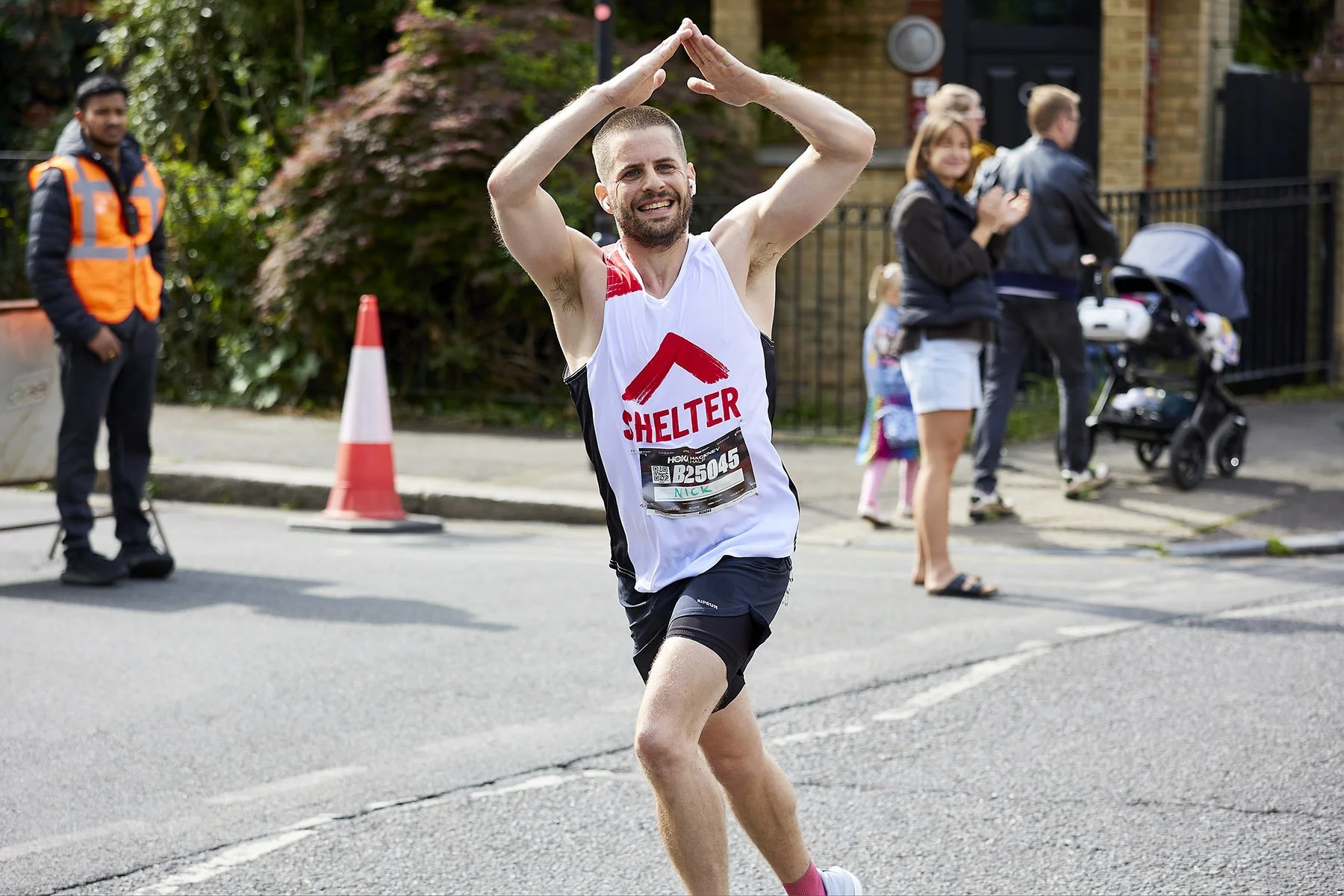
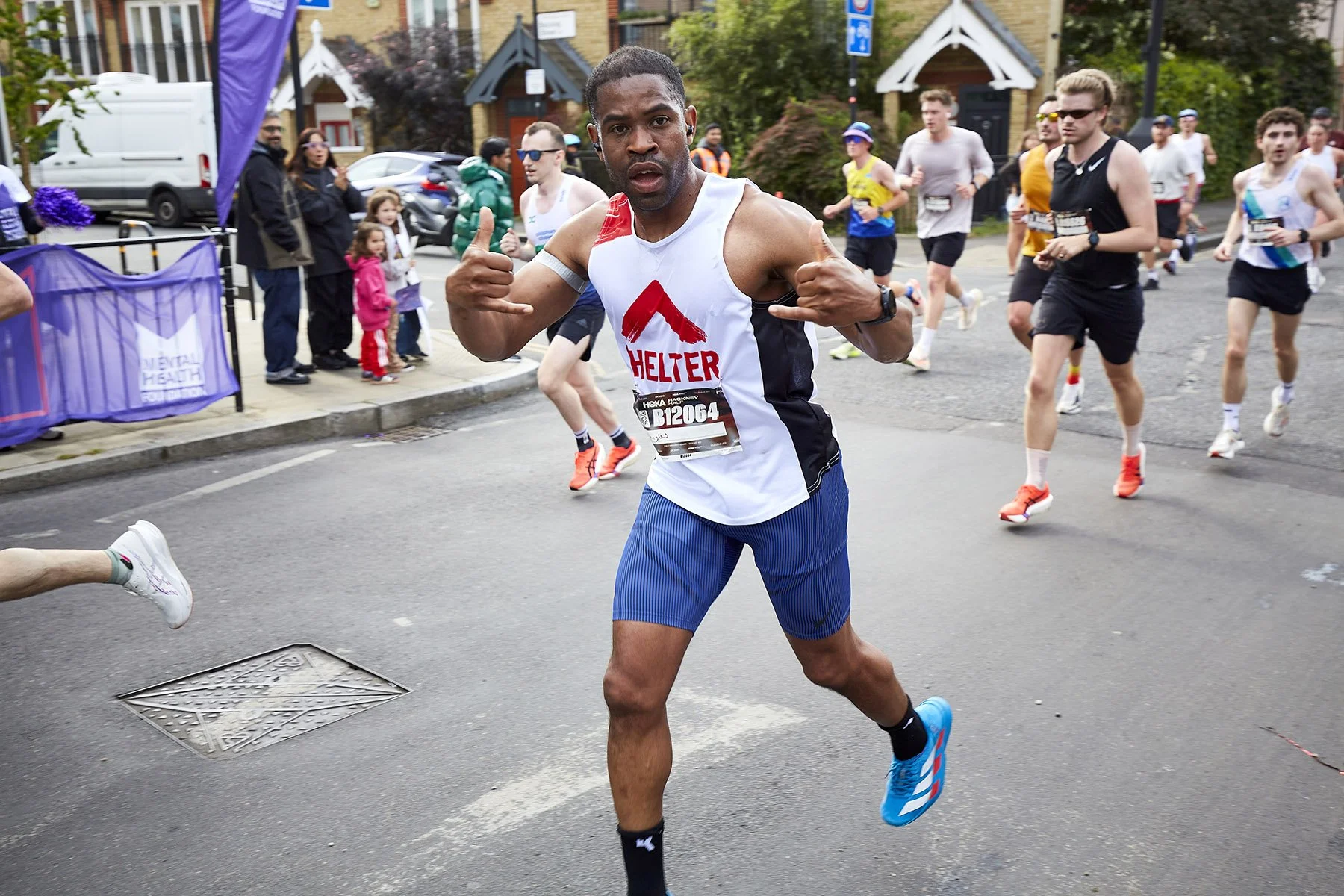
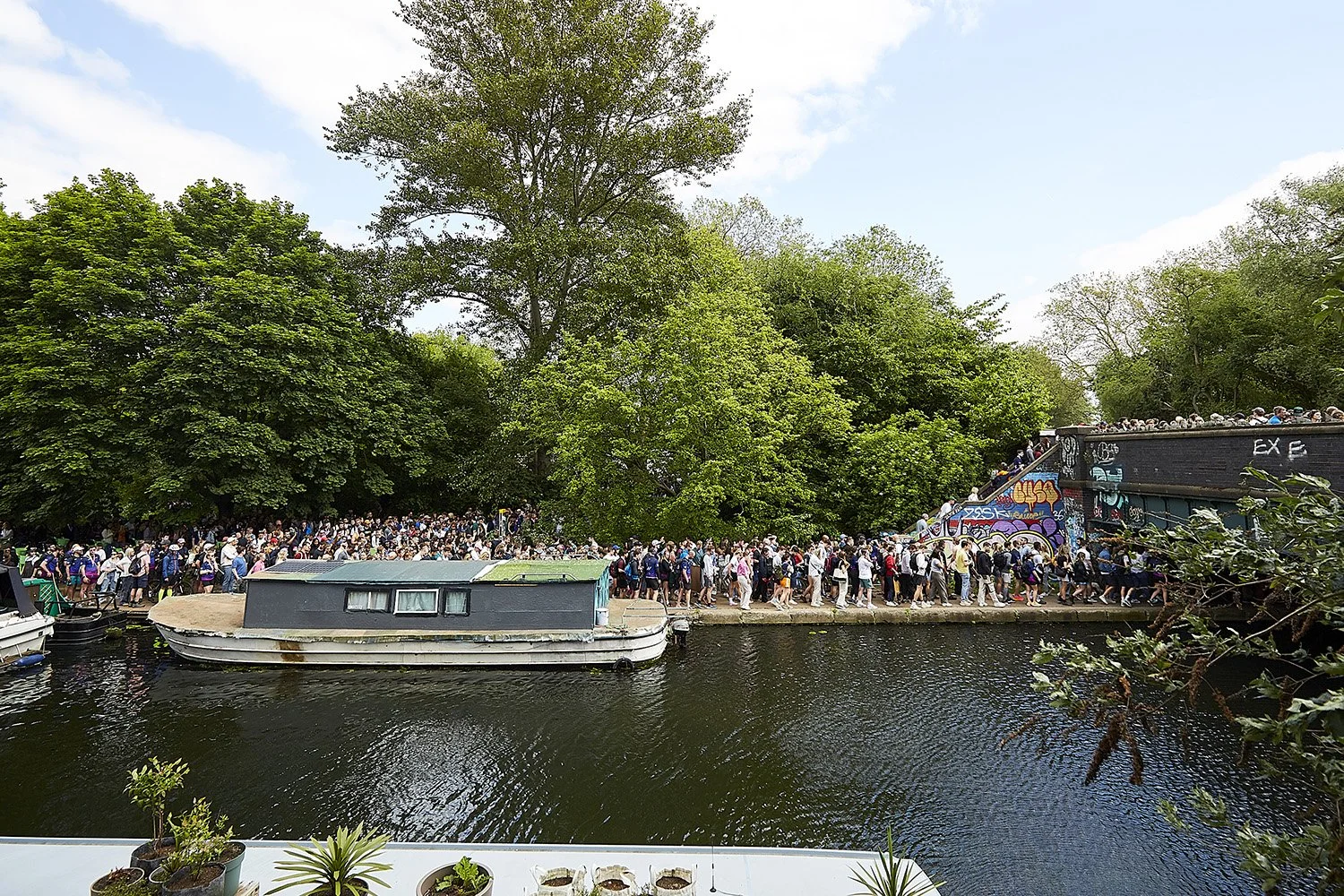
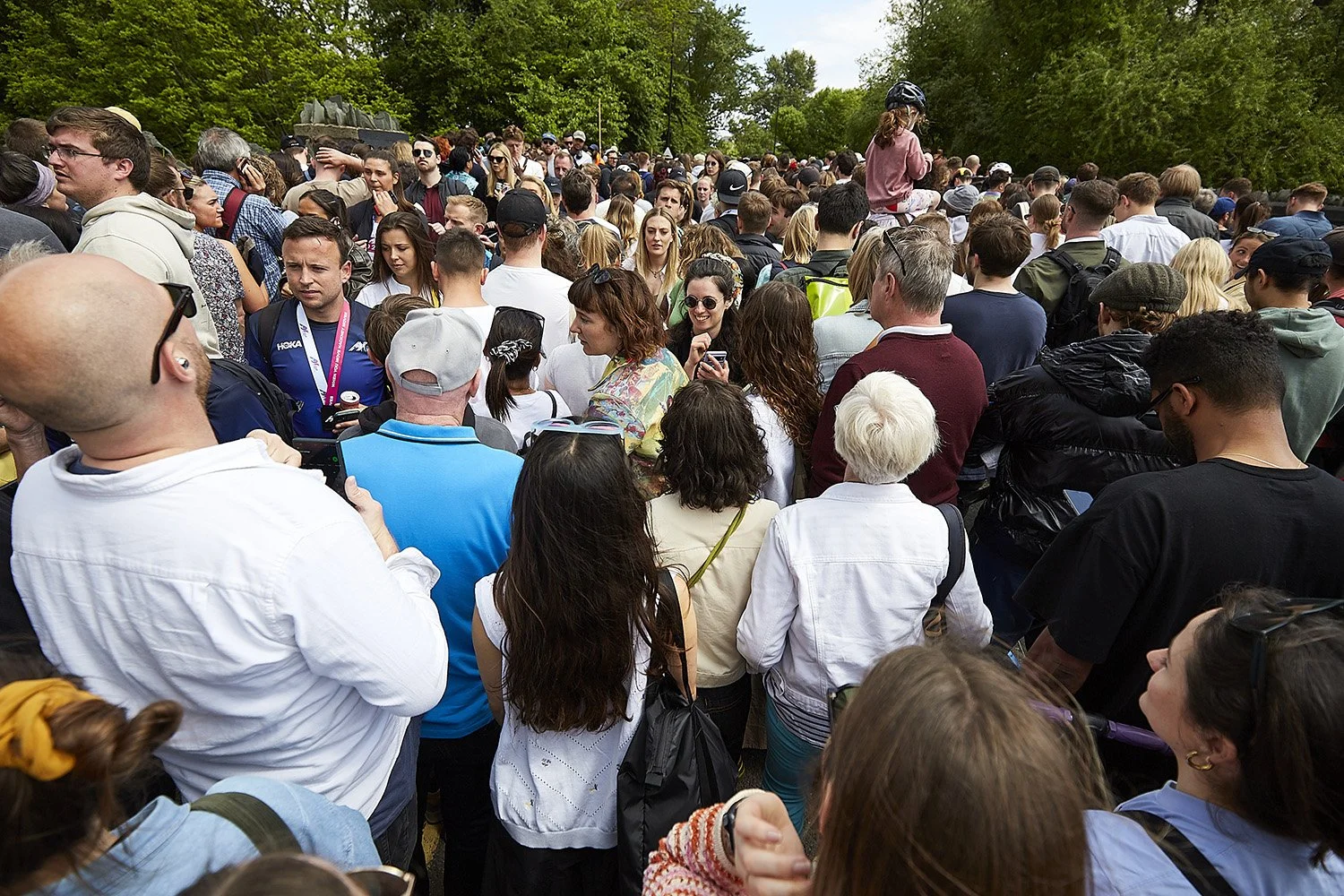
From the crowds lining Mare Street to the post race fun on Hackney Marshes, the atmosphere throughout the day is incredible. Thousands of runners take on the challenge, many raising money for charities including Shelter, creating countless moments of determination, celebration and connection along the route.

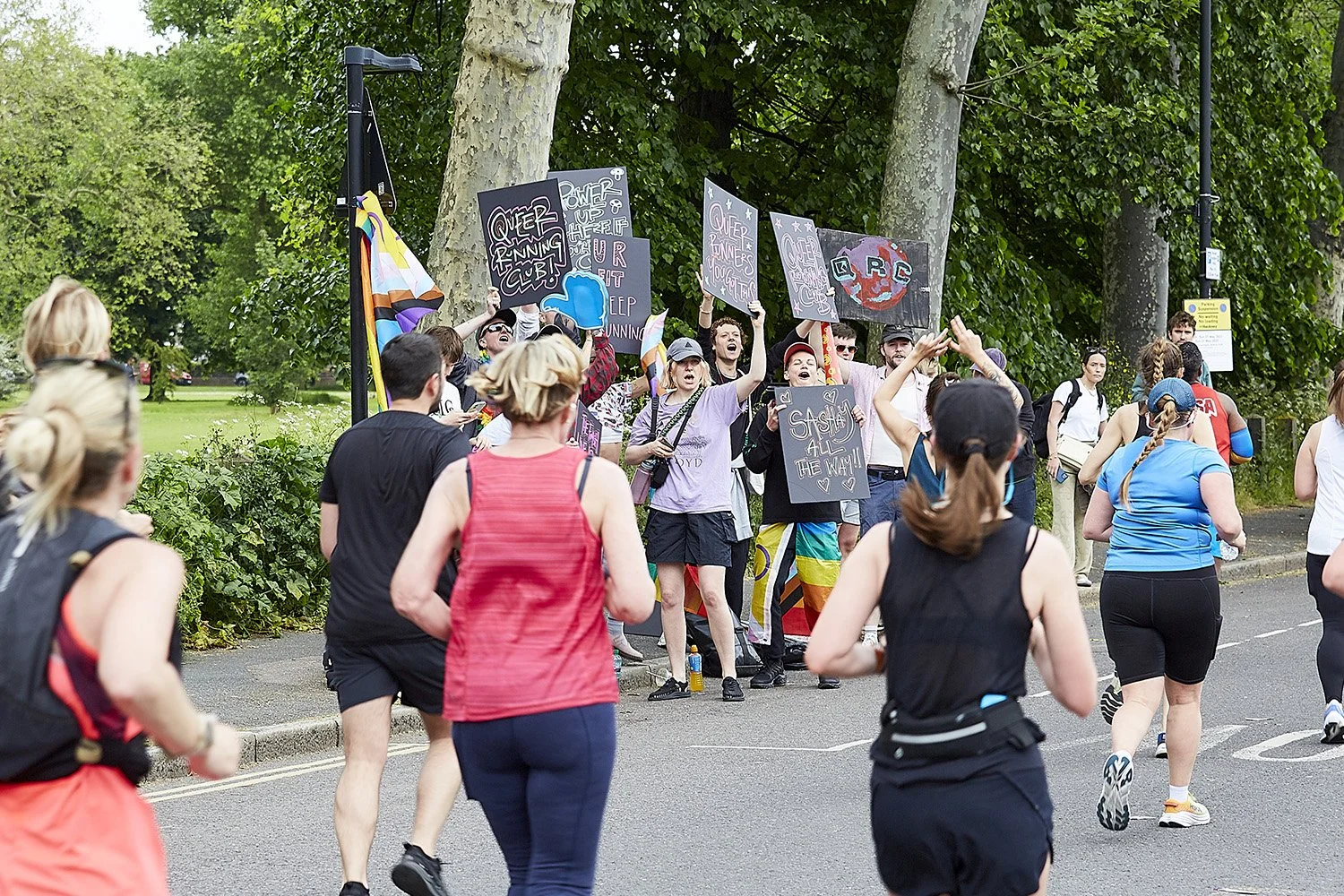
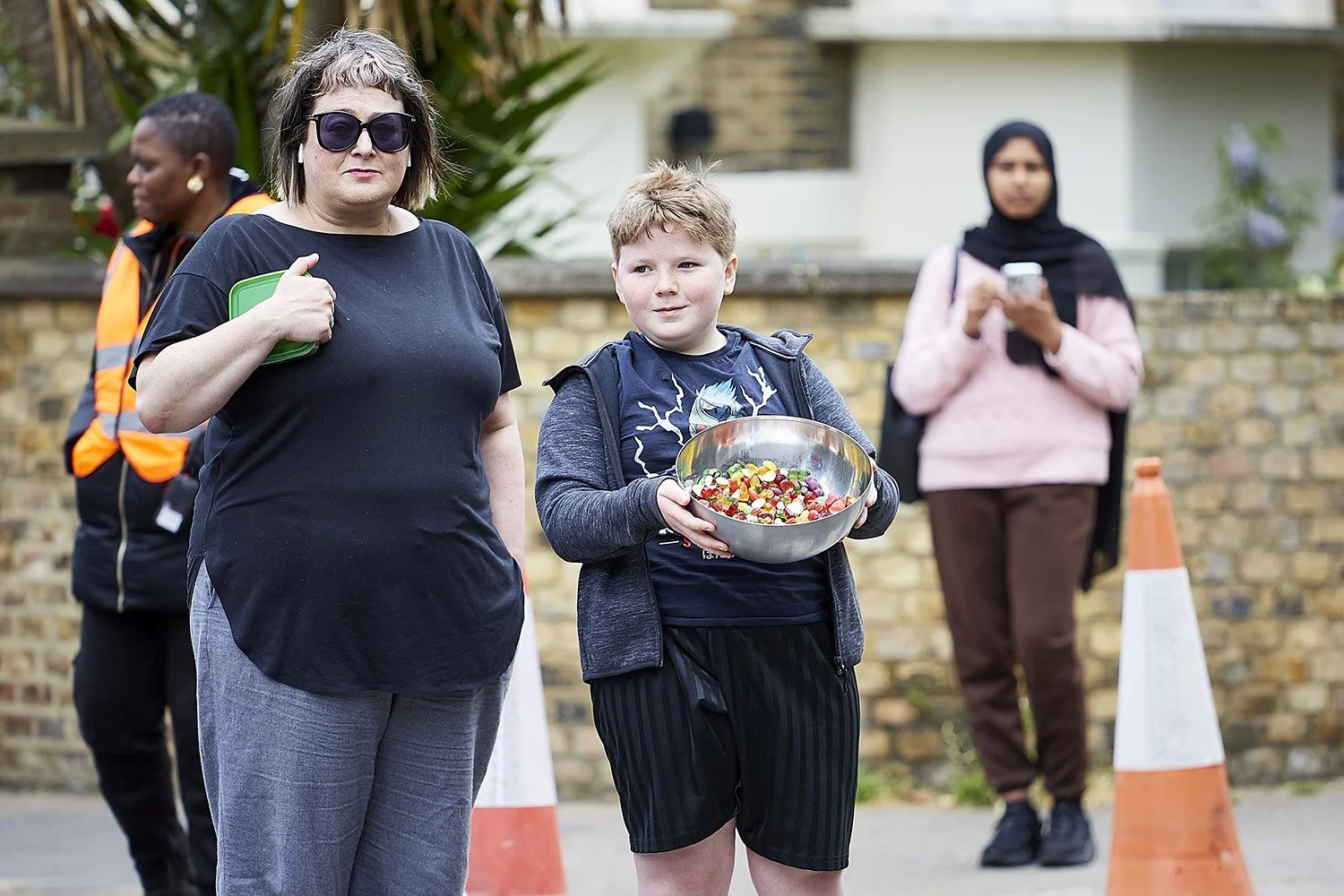
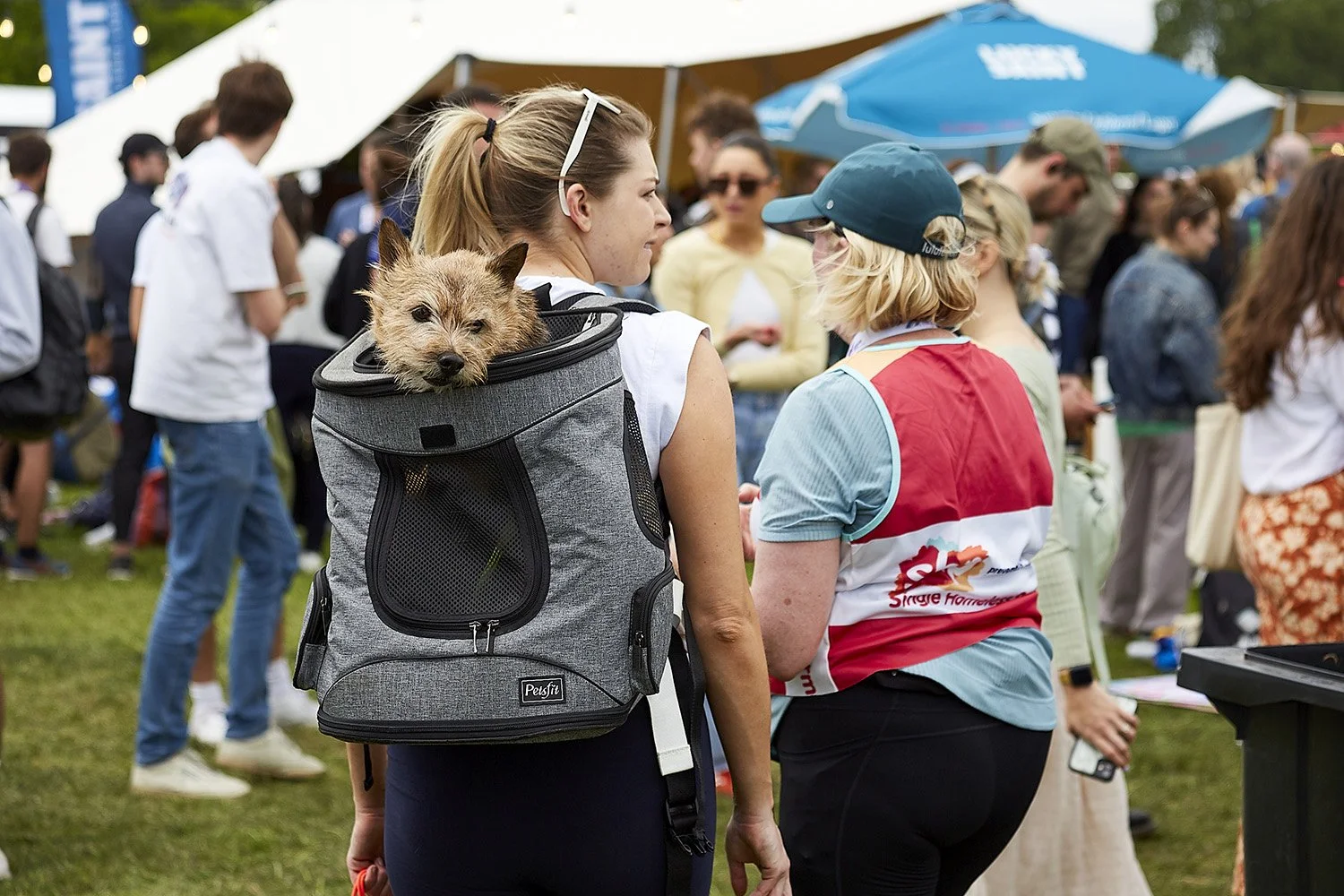
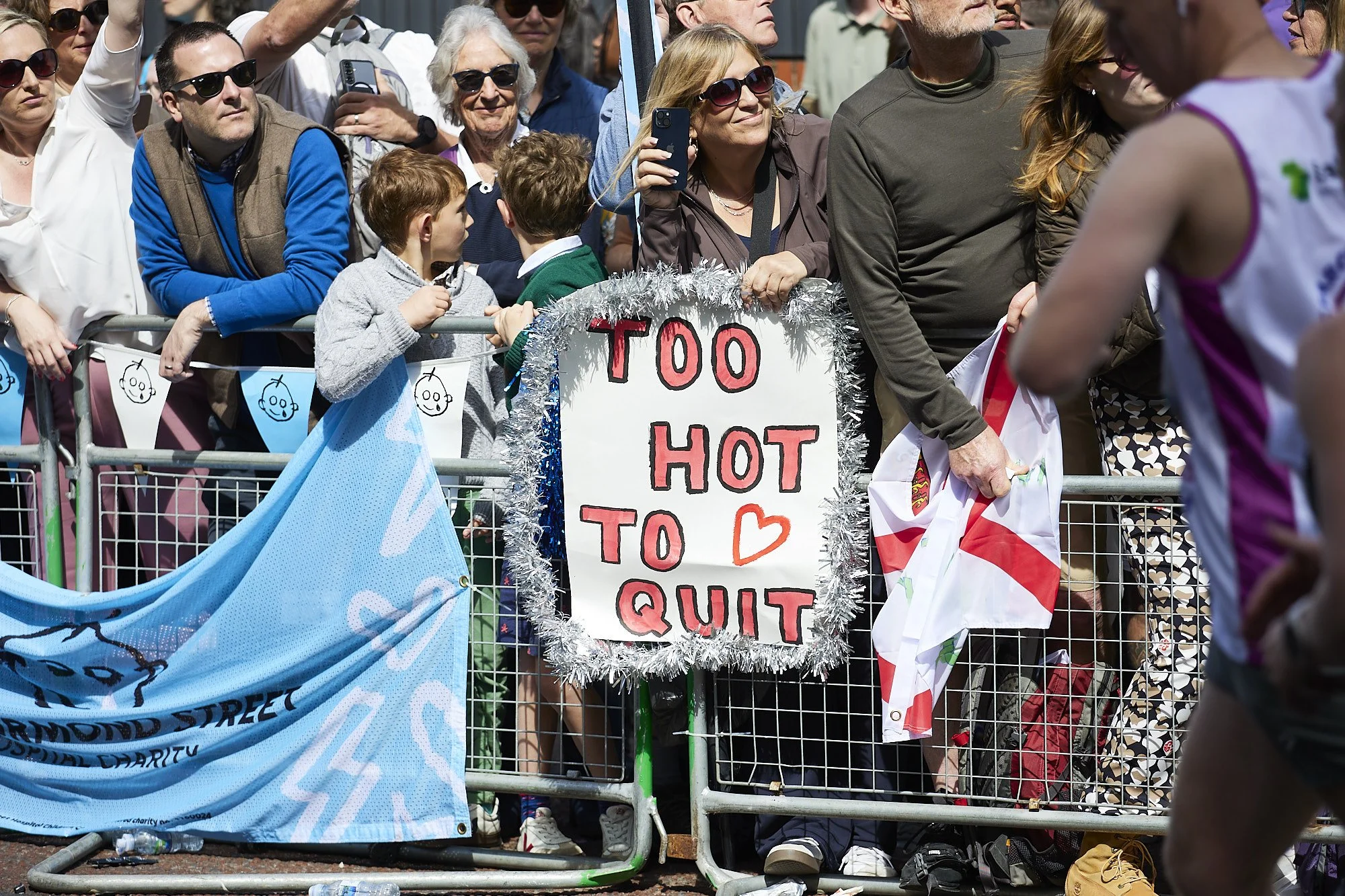
Event photography is about more than simply capturing people crossing a finish line. It’s about telling the story of the day – the supporters cheering from the sidelines, emotional reunions at the cheer points, fancy dress runners bringing humour to the streets of East London, and those exhausted but proud moments after collecting a medal.

As an experienced London event photographer, I specialise in capturing authentic moments at sporting events, corporate events, charity fundraisers and live experiences across the capital. The Hackney Half continues to be one of the most vibrant and visually exciting events to shoot, and it’s always a privilege to document such an inspiring day in London.

Another Successful London Marathon – From Behind the Lens

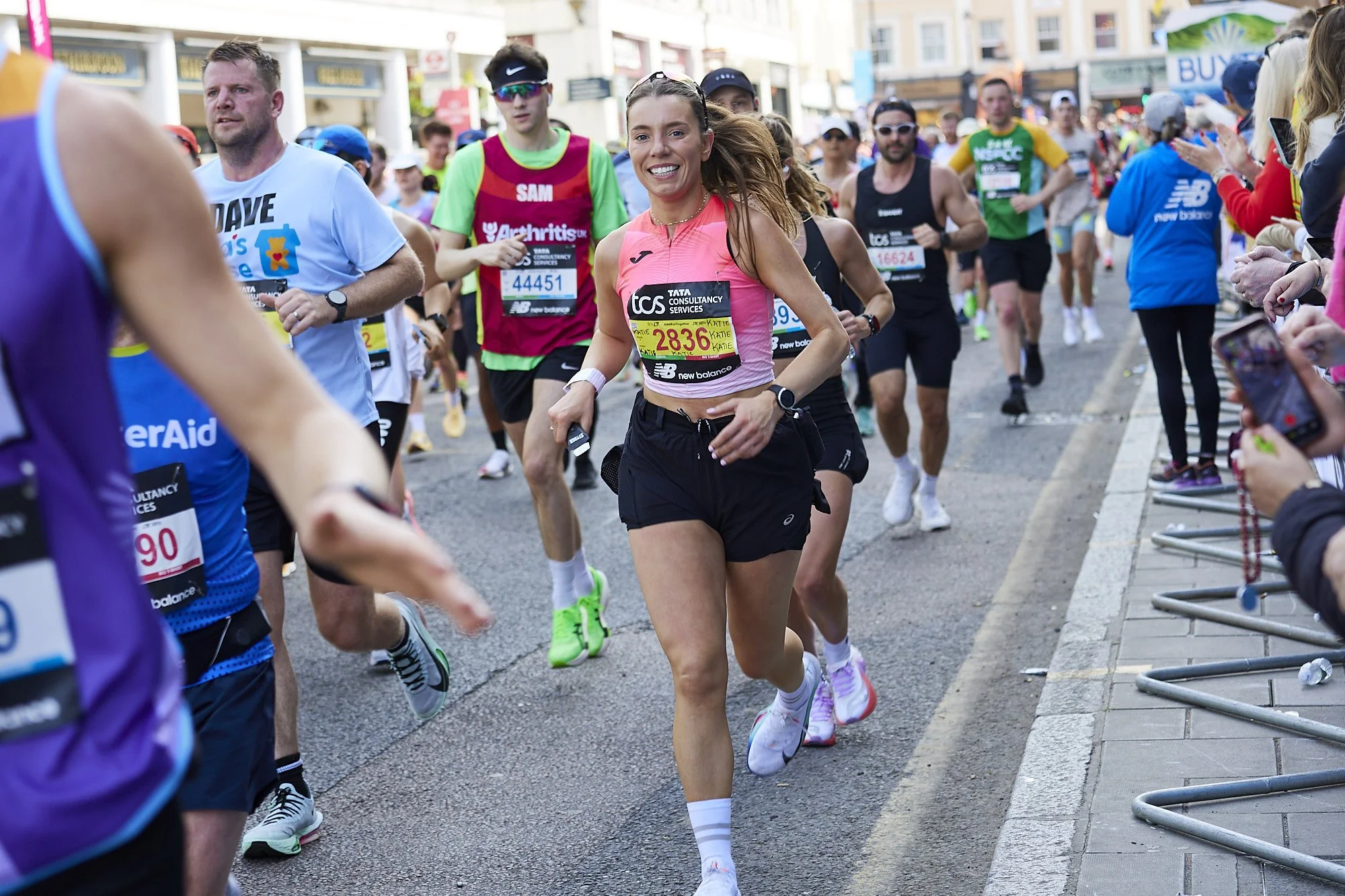
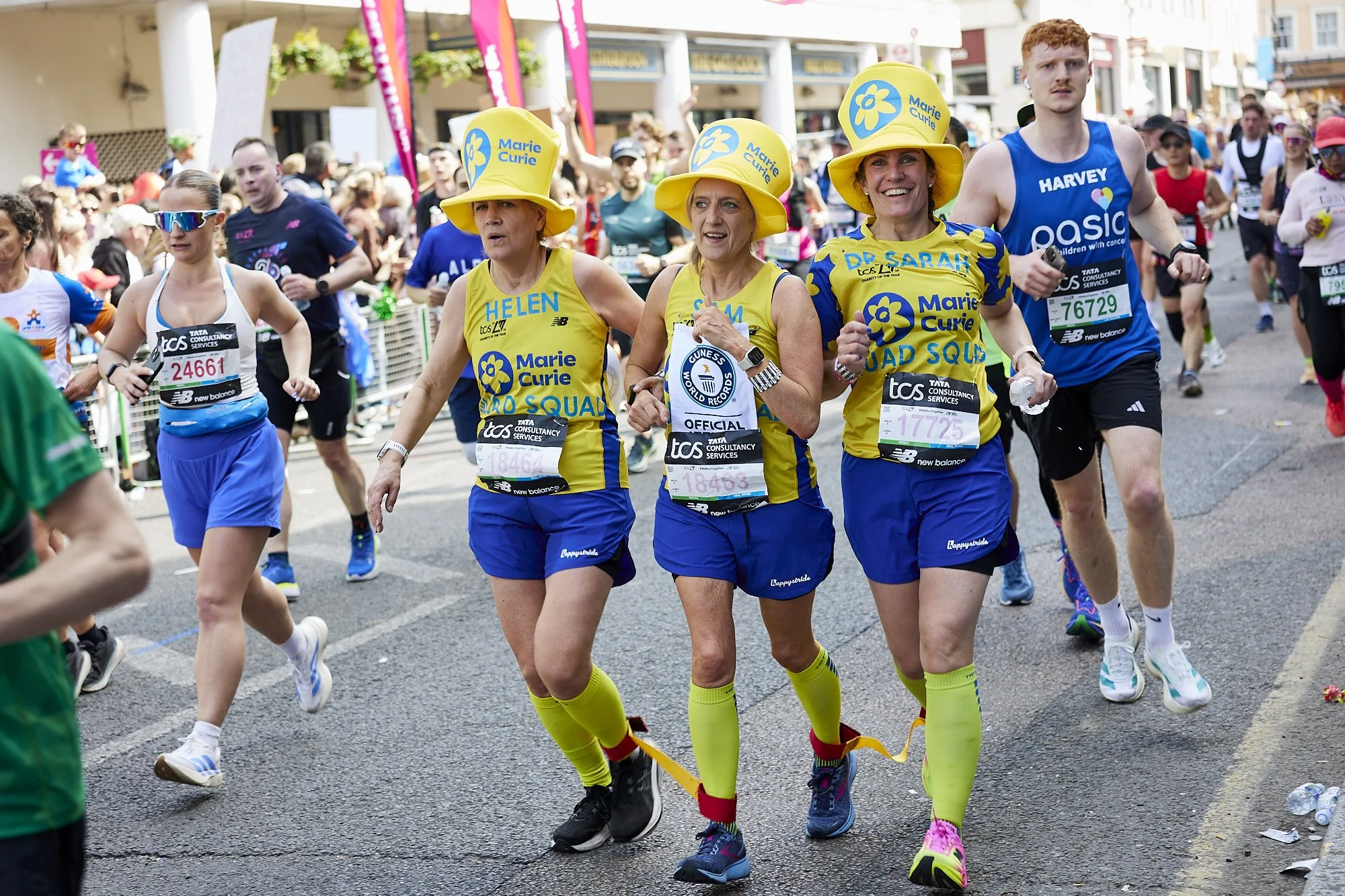
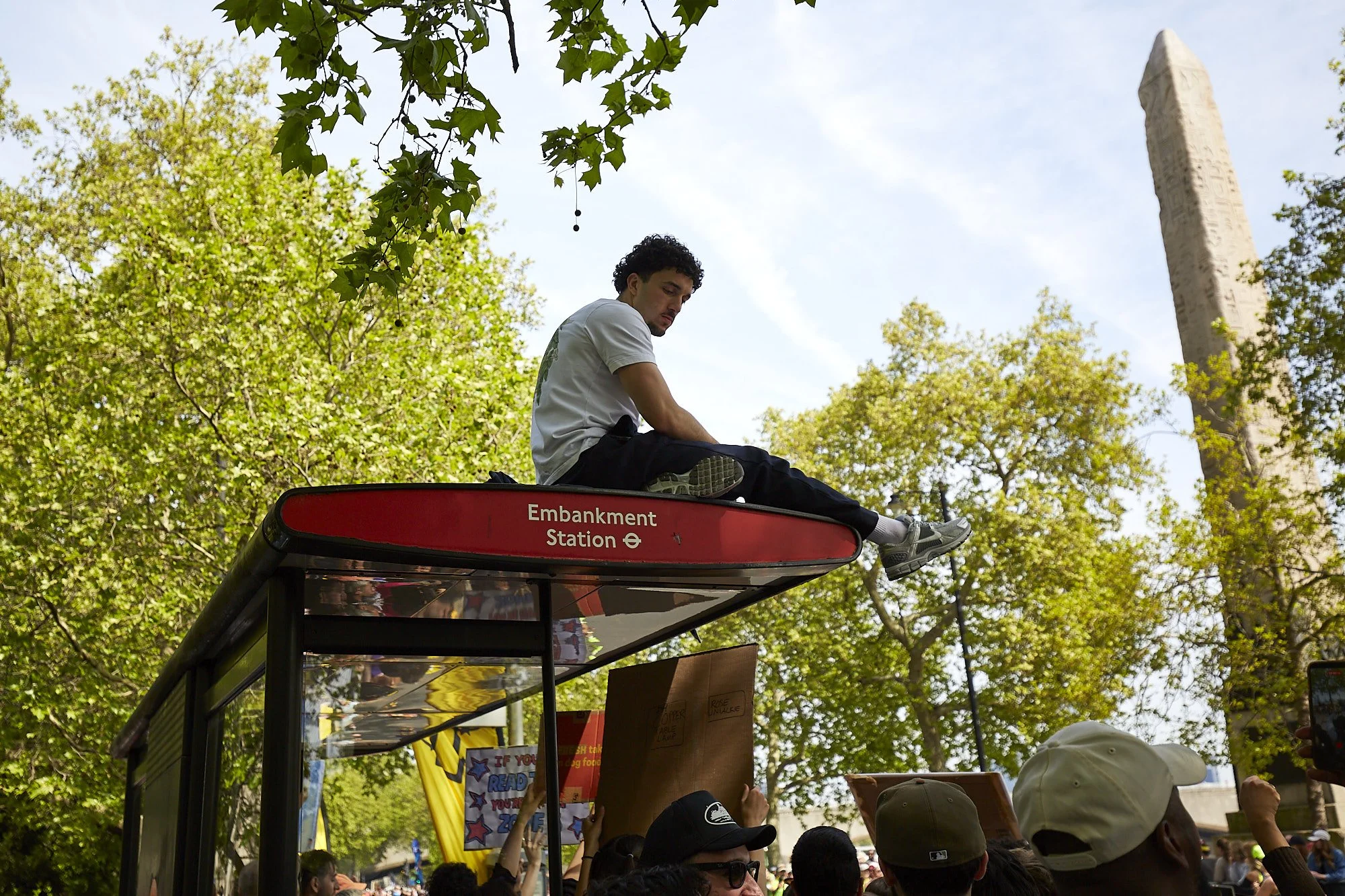
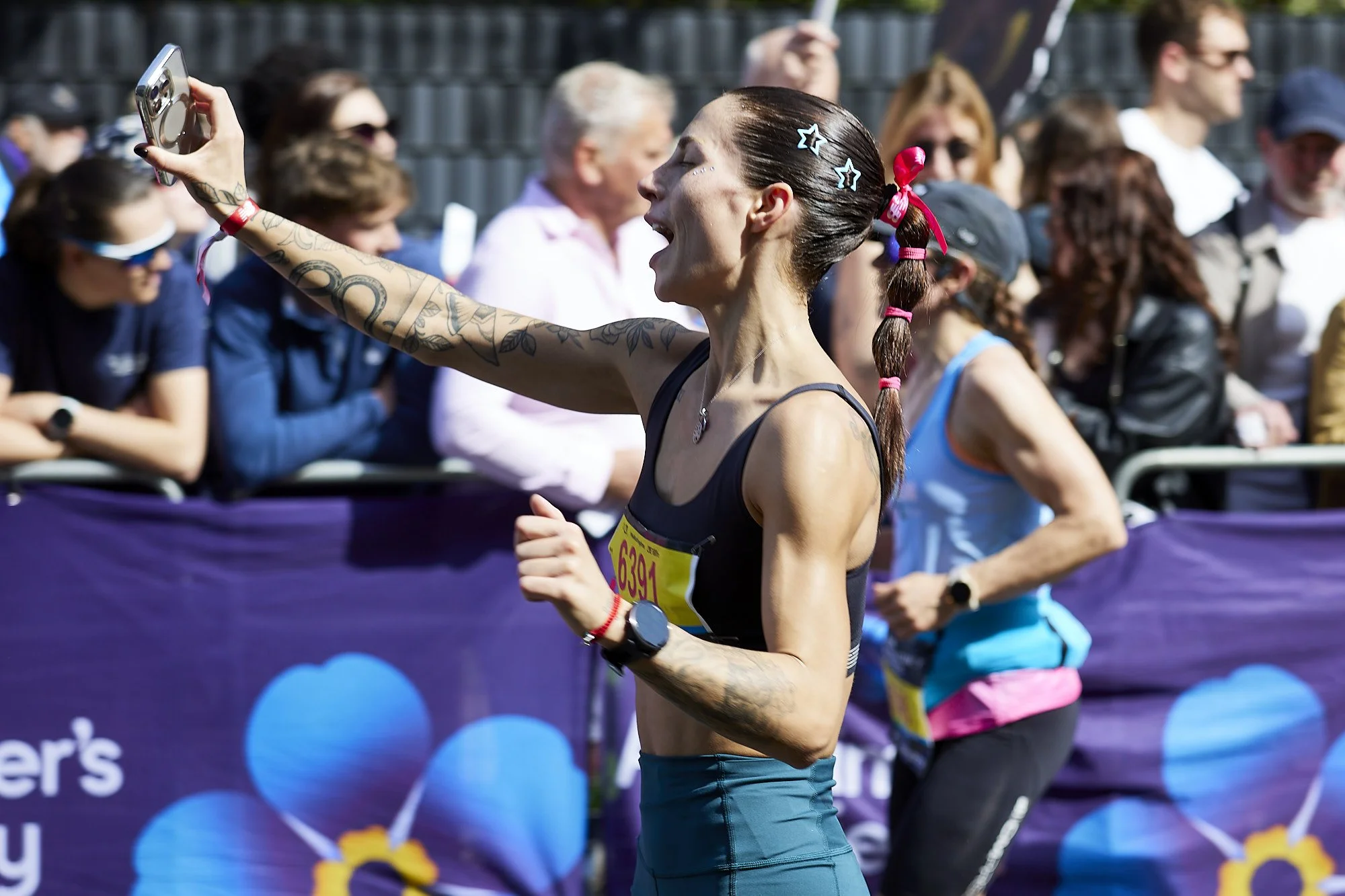
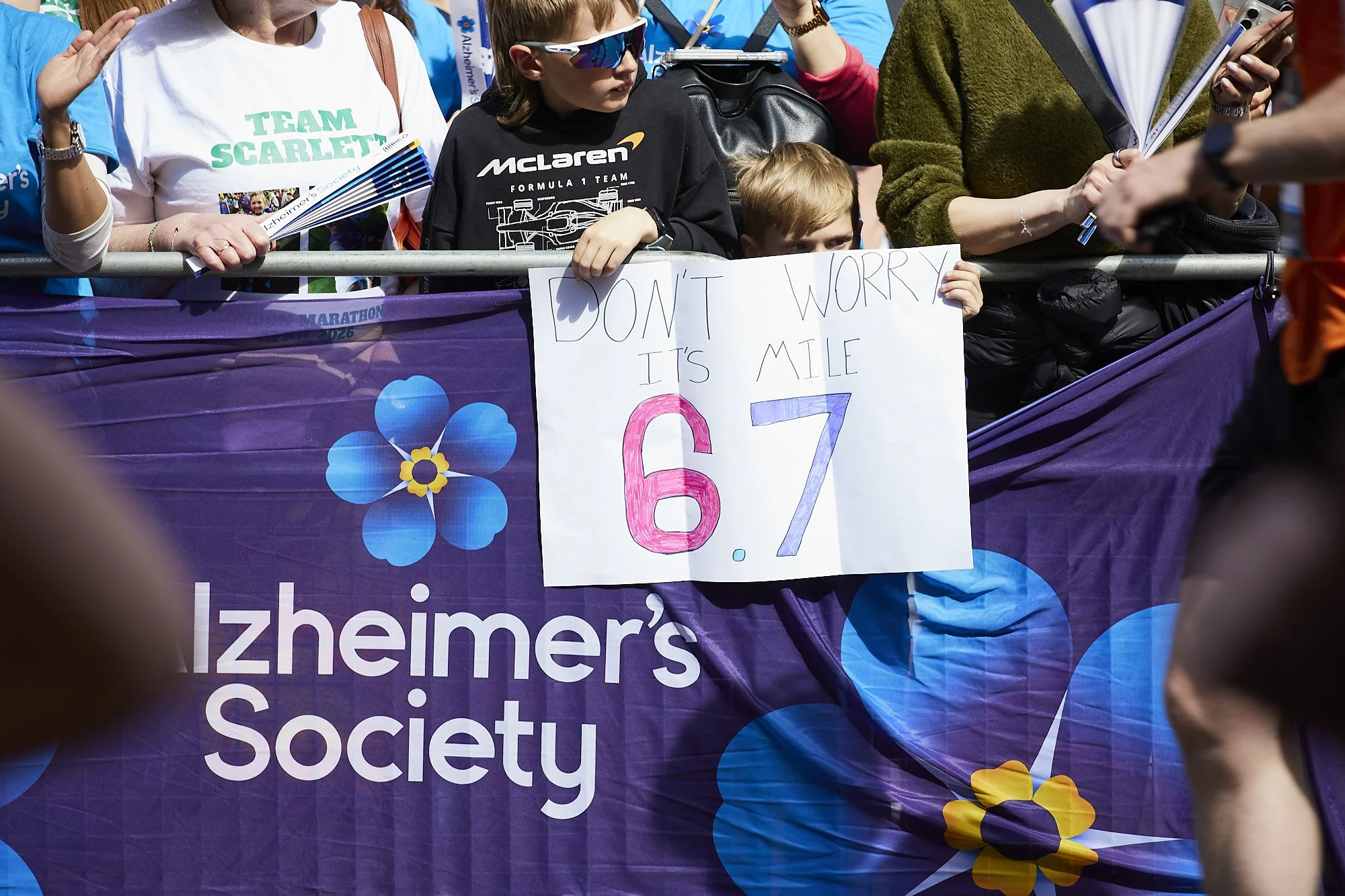
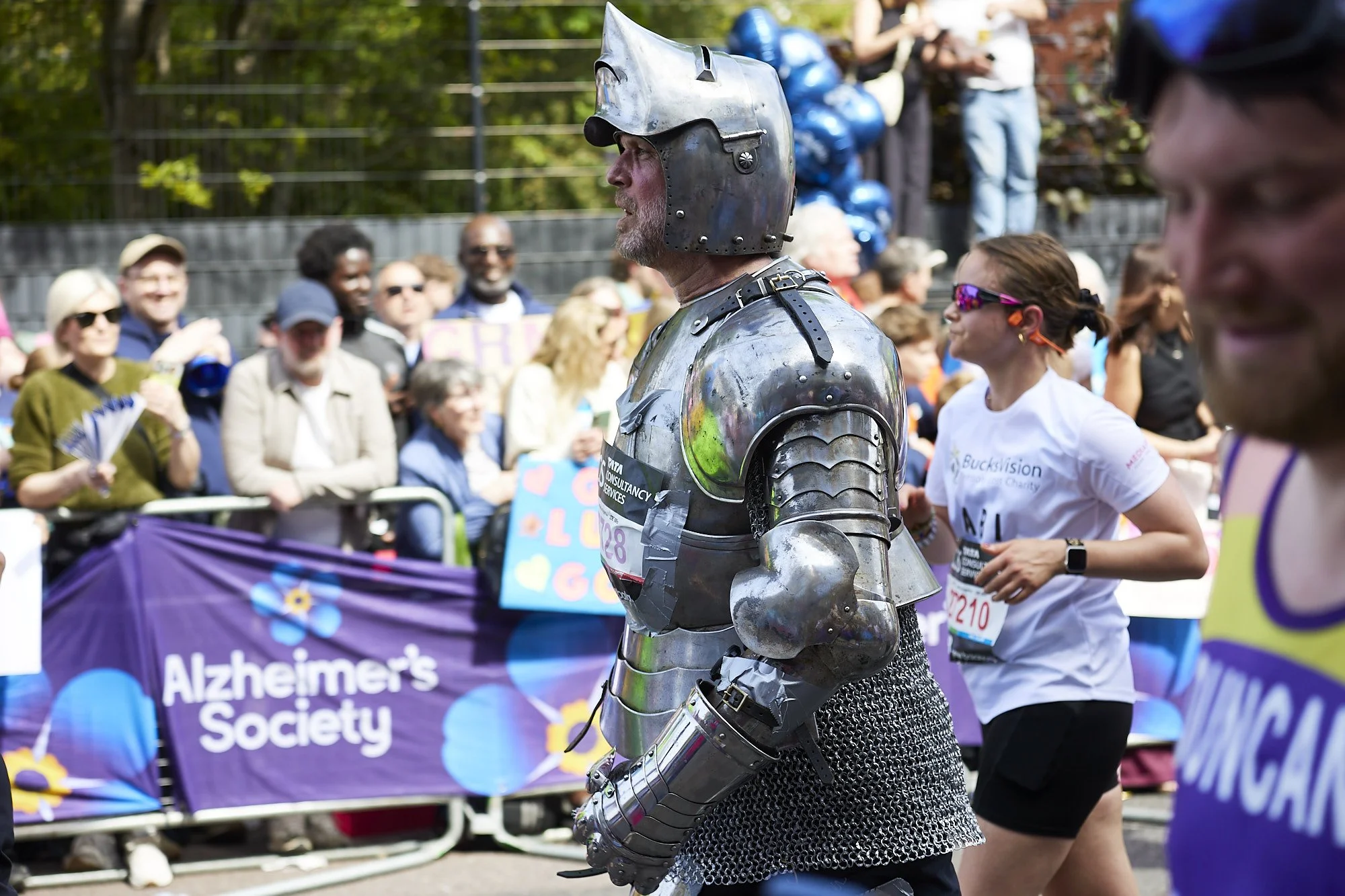
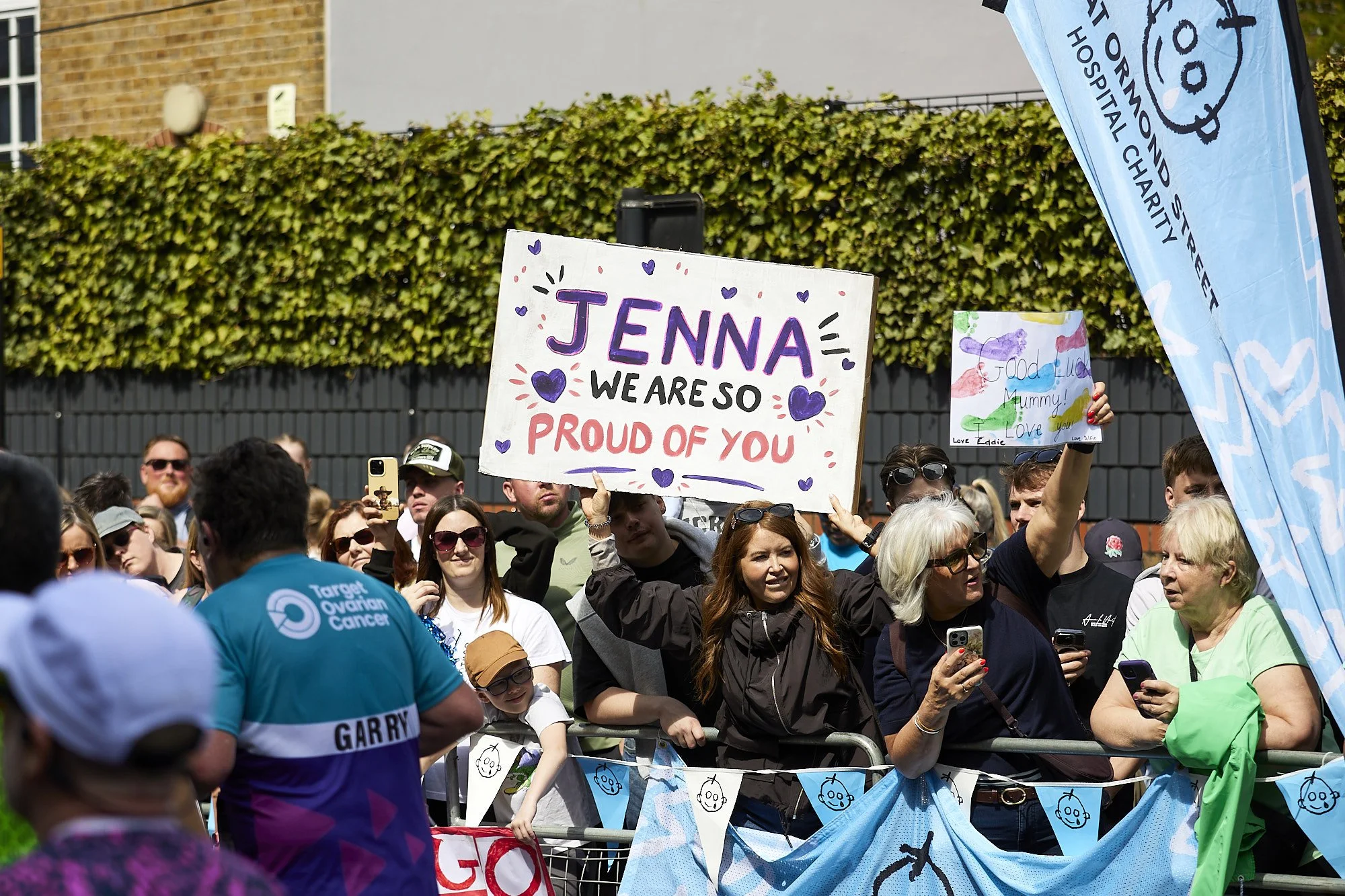
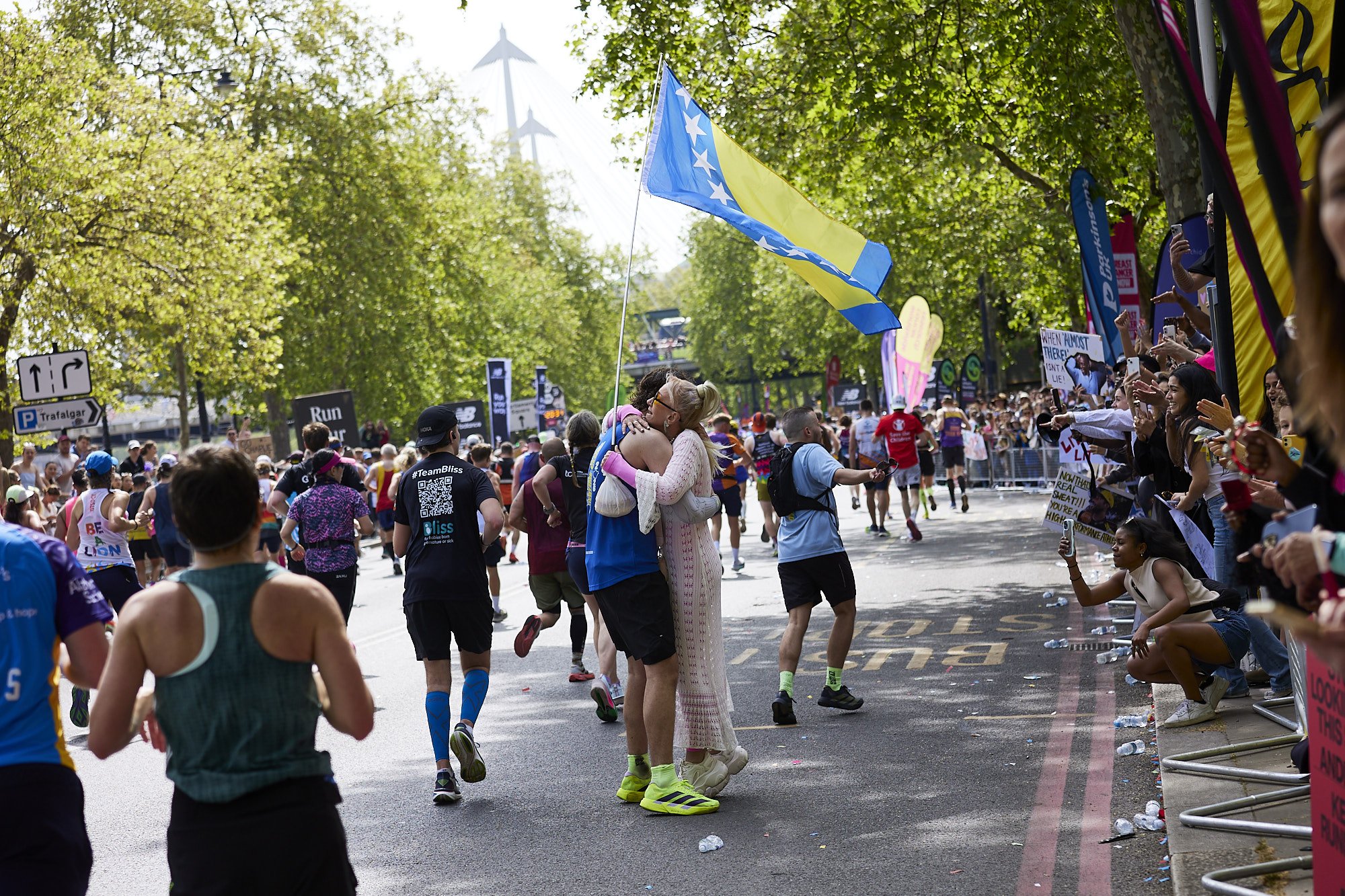
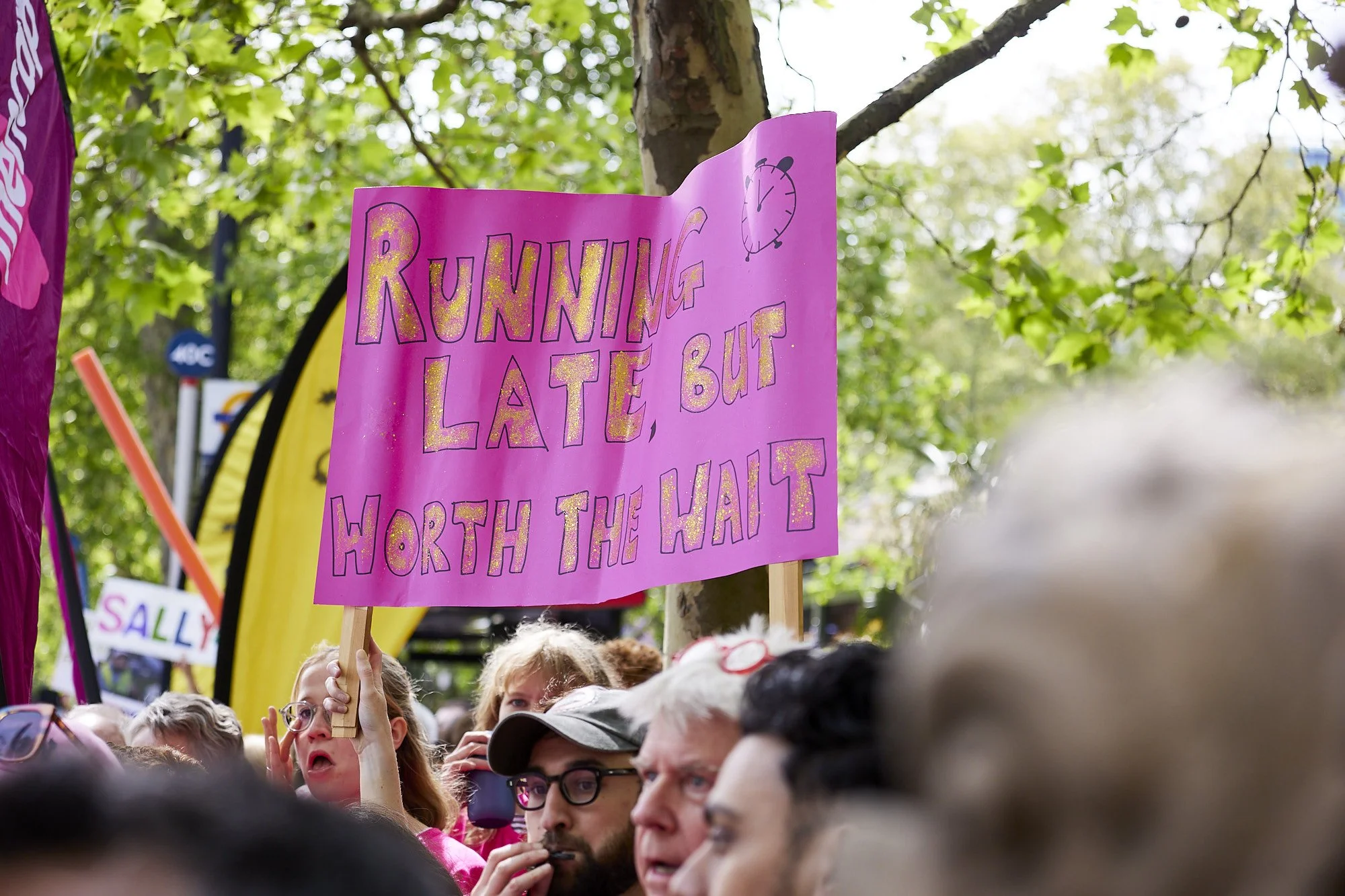
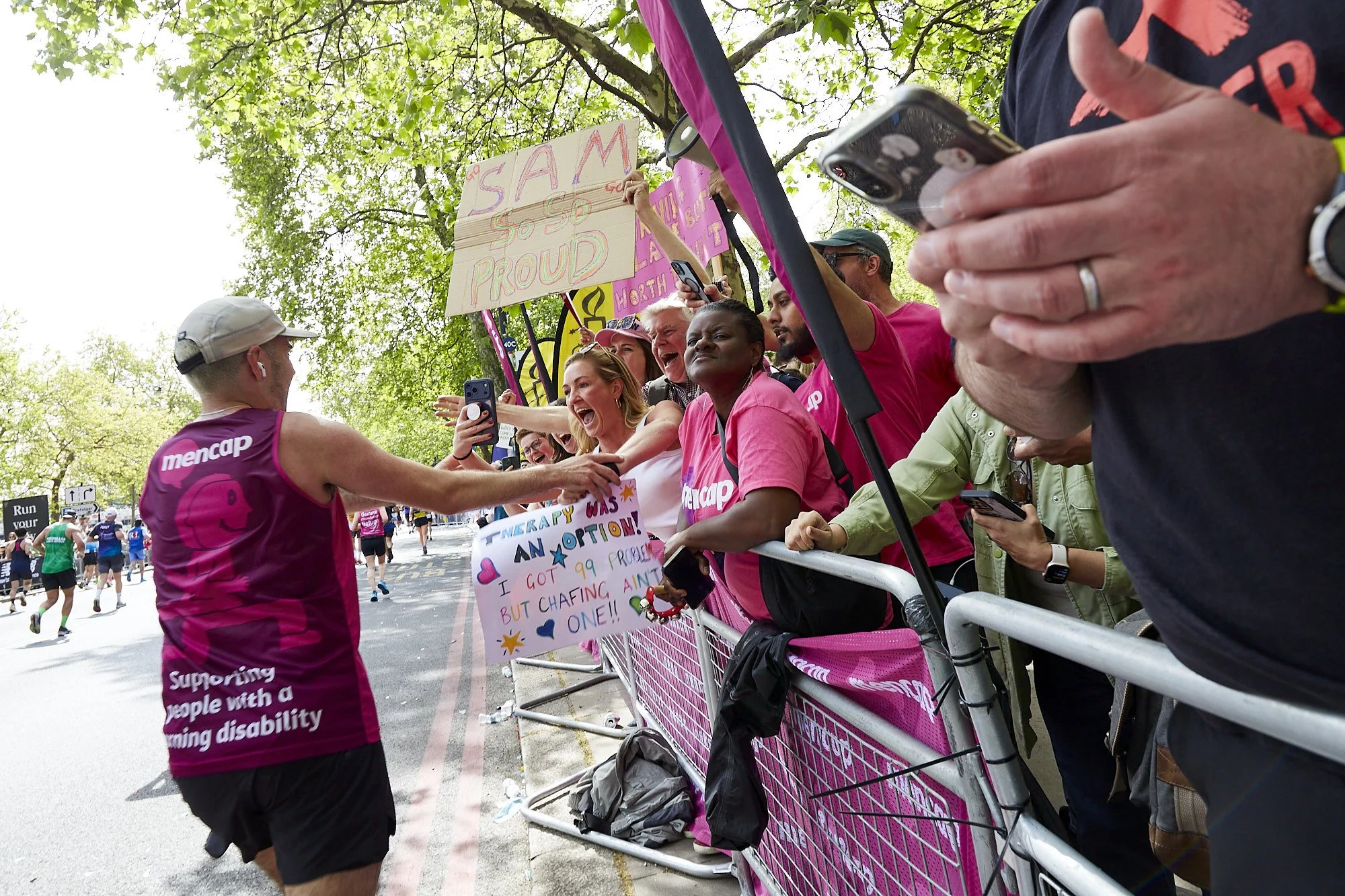
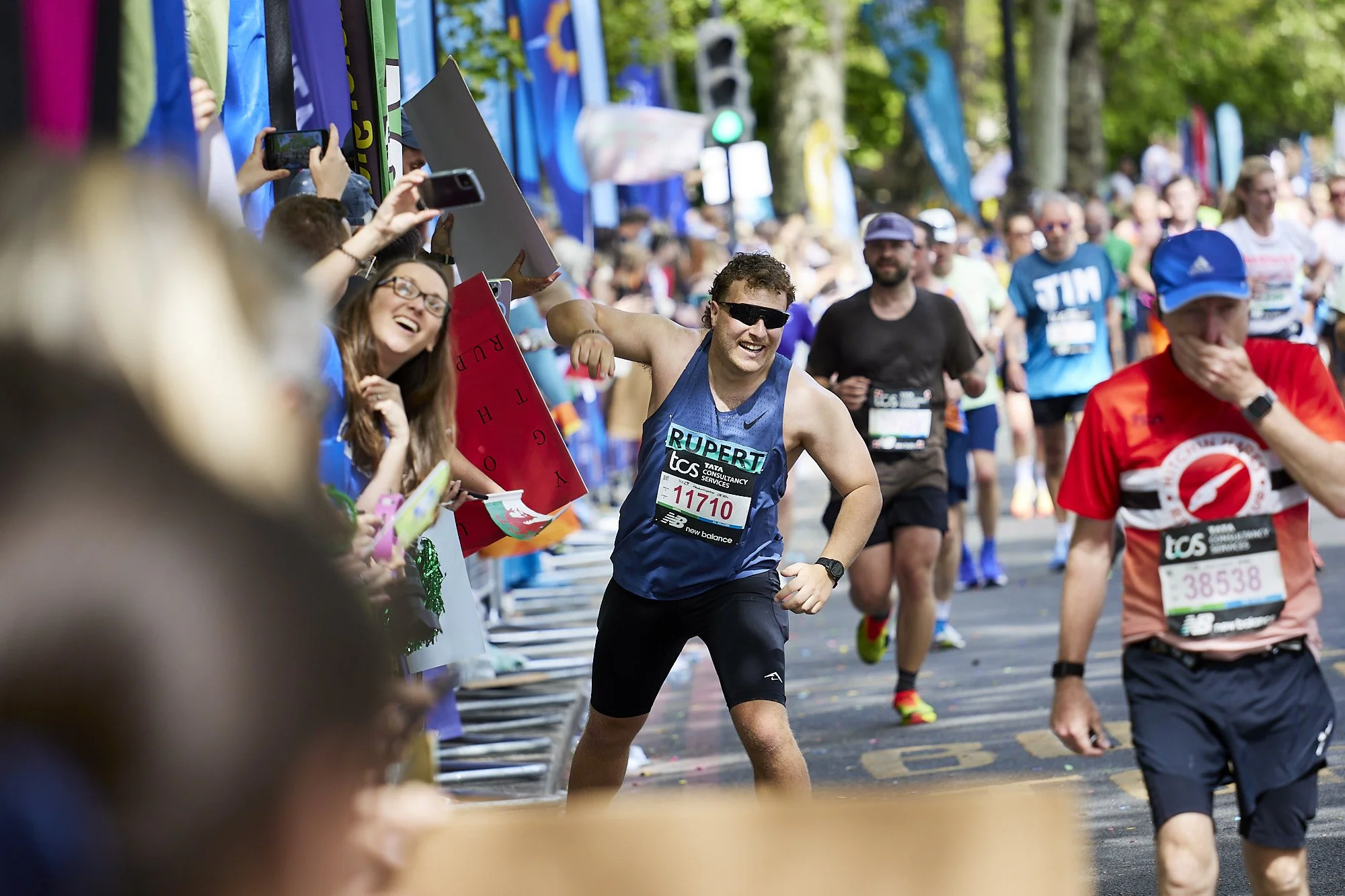
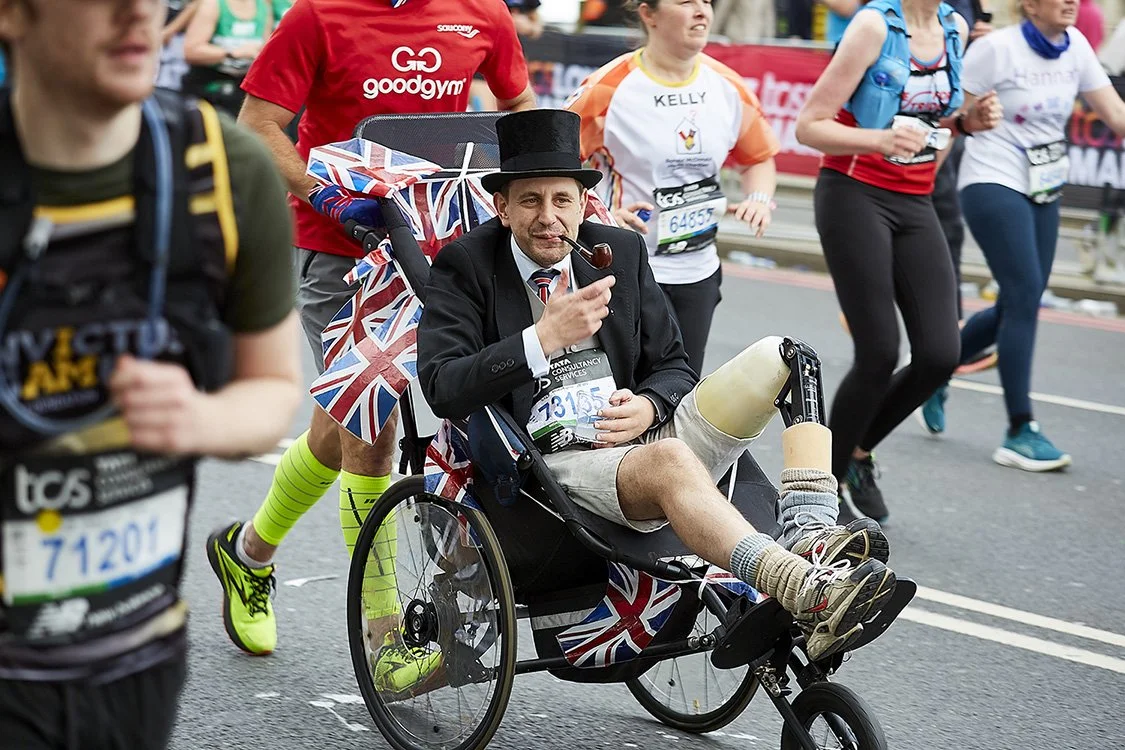
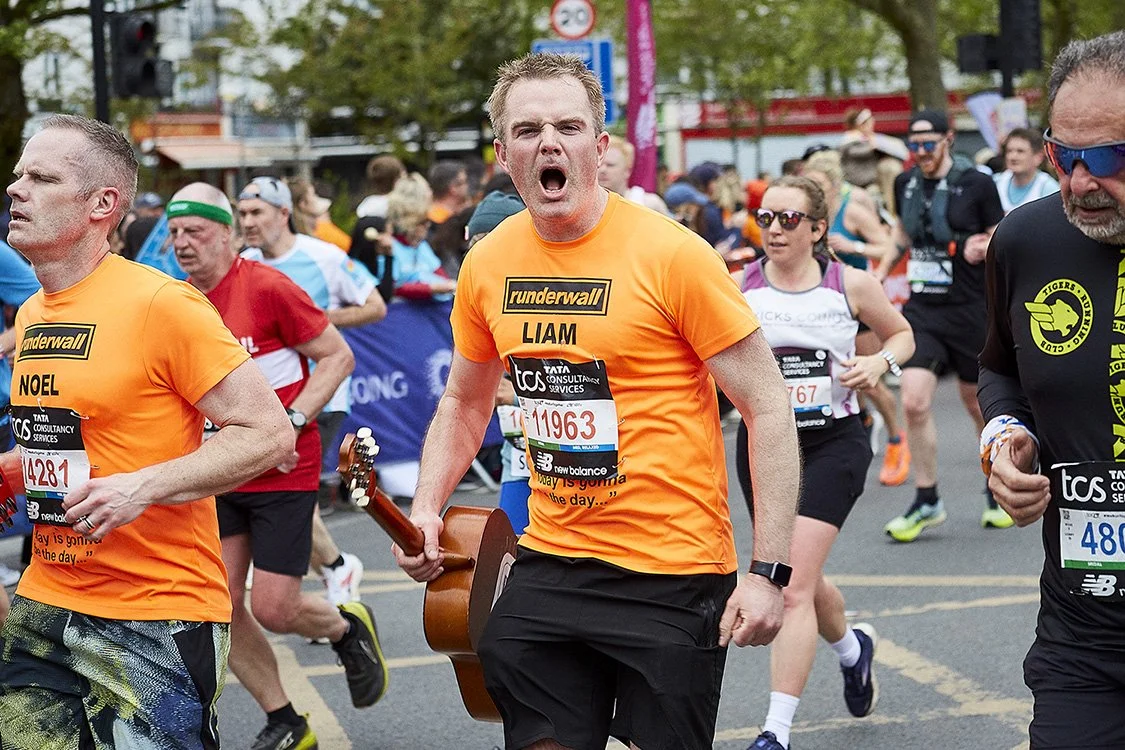
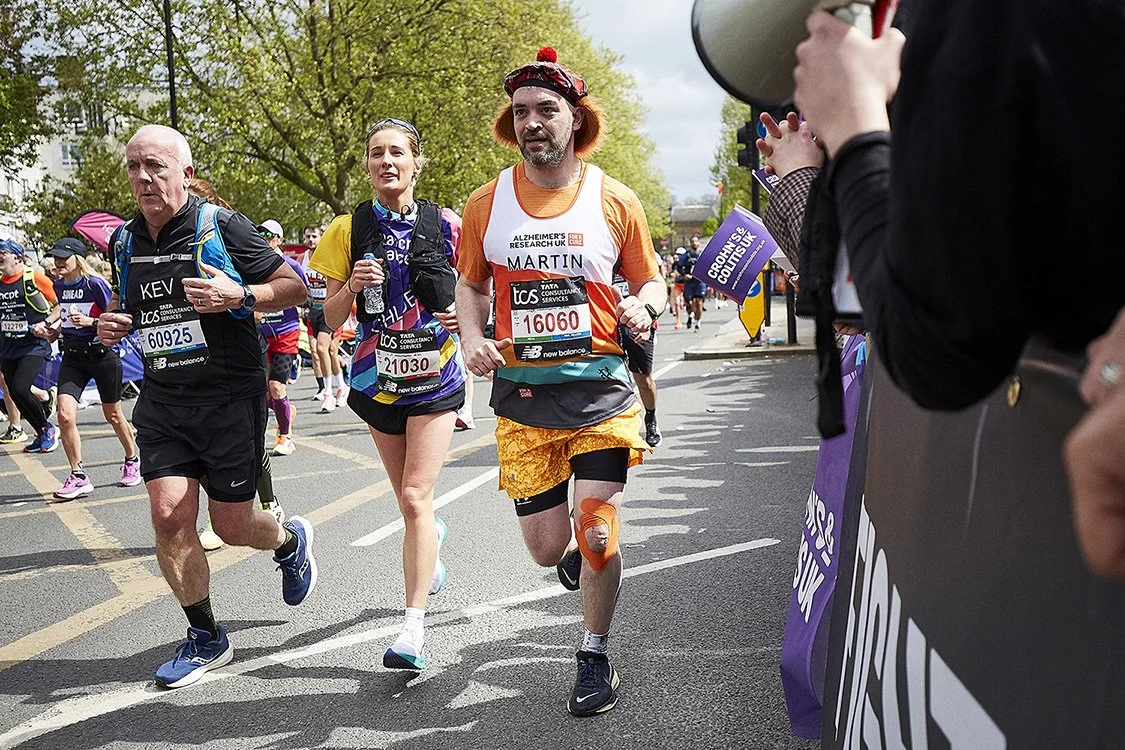
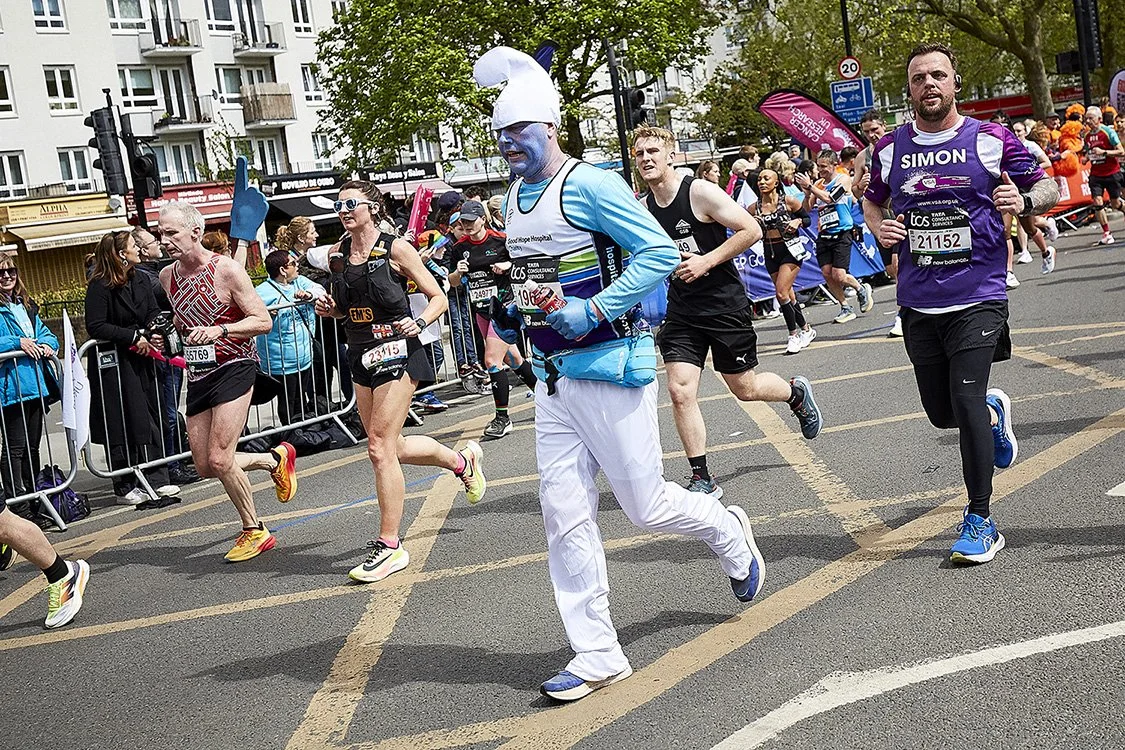
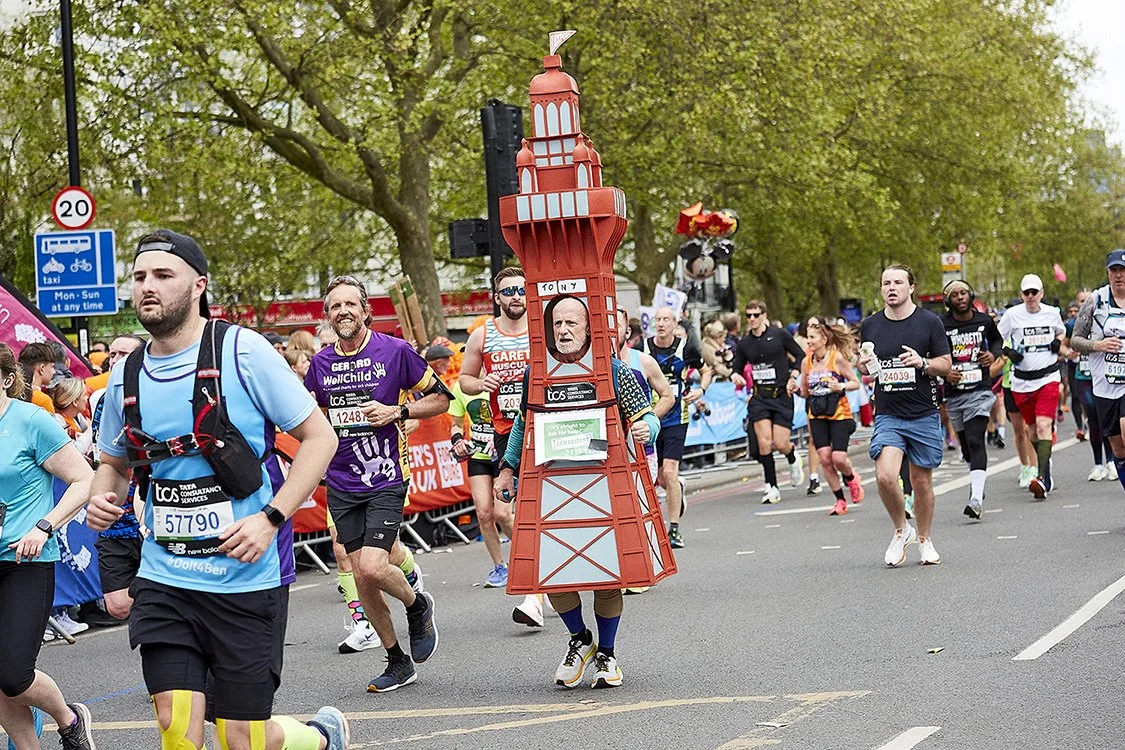
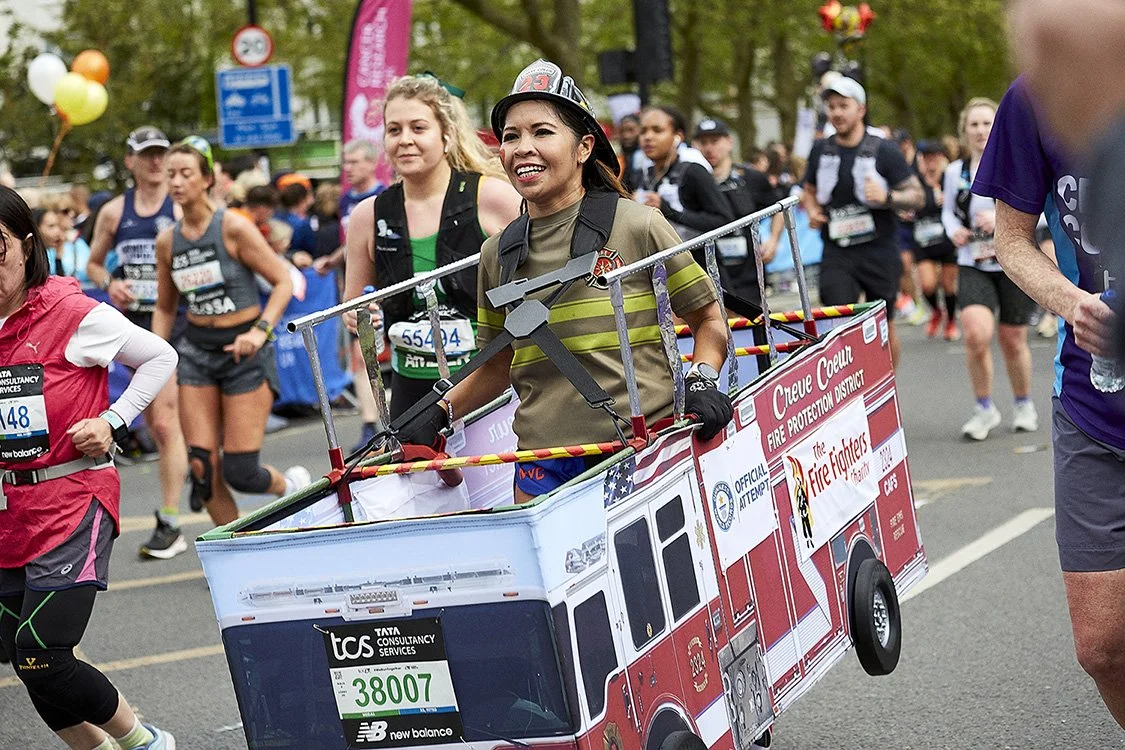
There’s something about the London Marathon that never gets old. Every year, as a photographer, you think you’ve seen it all – the costumes, the emotion, the grit – and then race day arrives and proves you wrong.

This year was no exception. In fact, it was one of the most remarkable editions yet.

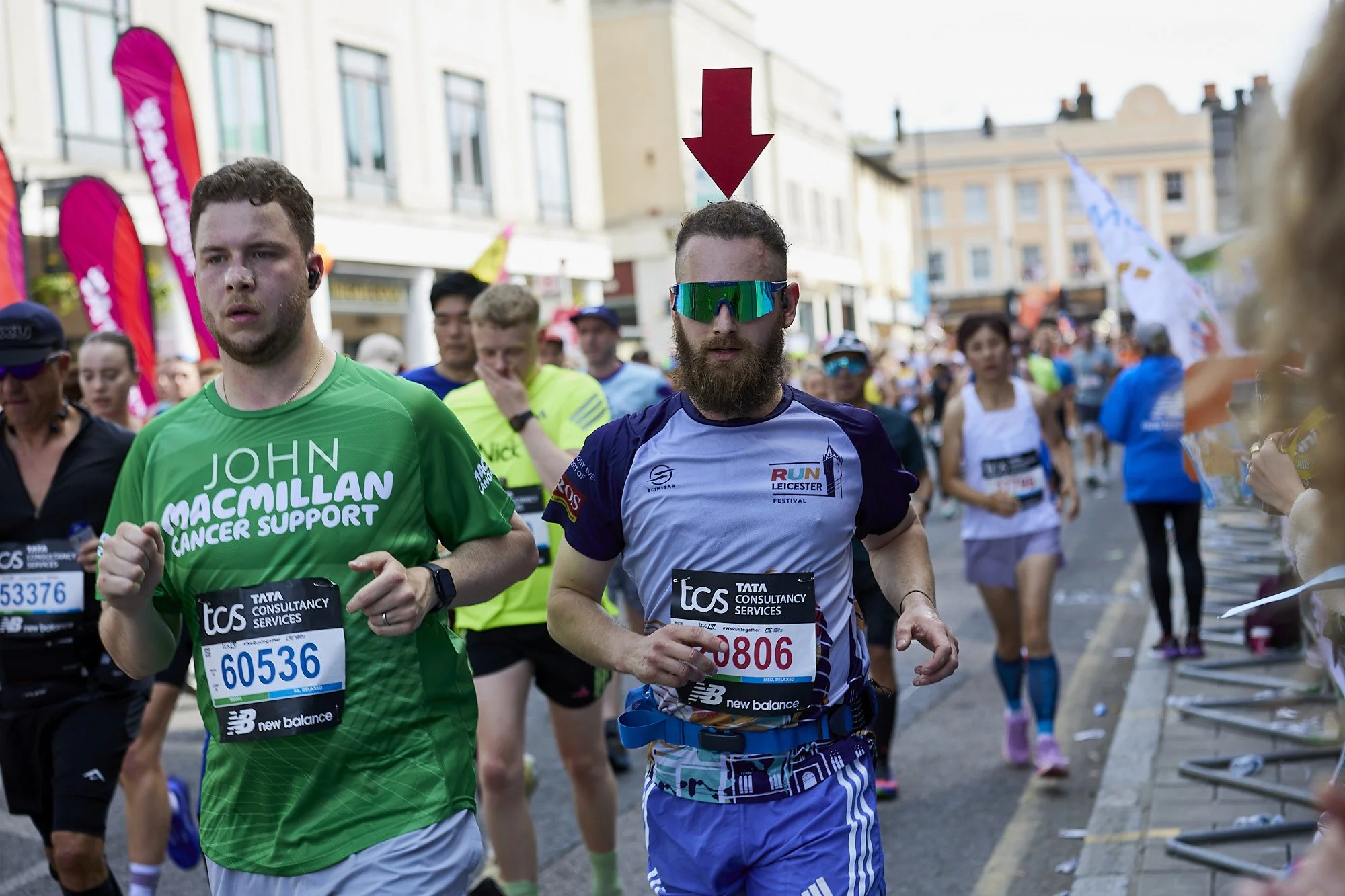
From the moment the first waves of runners set off, the scale of the event was obvious. A staggering 59,830 runners crossed the finish line, setting a new world record for the largest number of marathon finishers ever . For a photographer, that means one thing: endless stories unfolding in every direction.

And that’s exactly what makes this event so special to shoot.

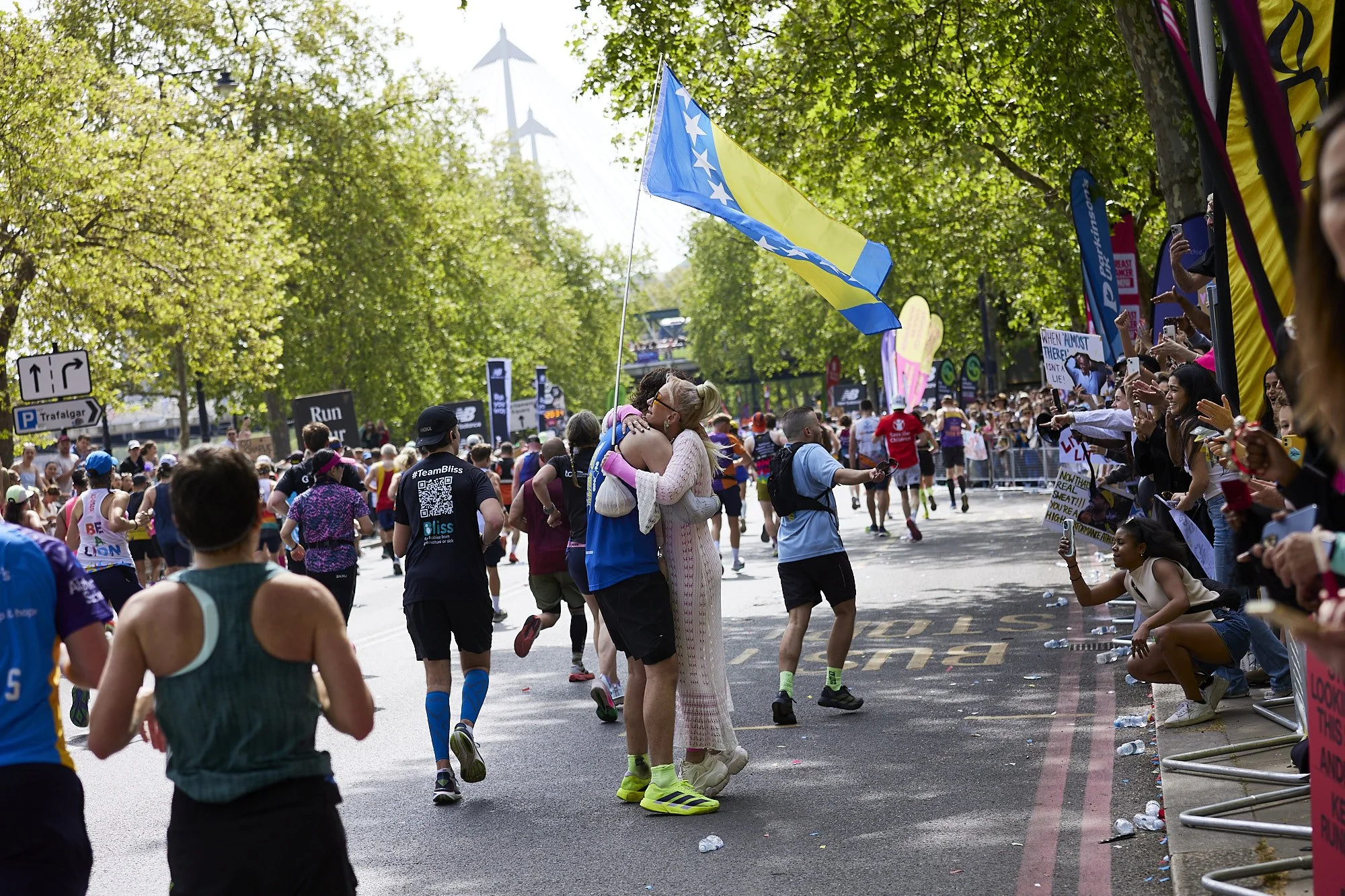
You’ve got elite athletes chasing history, charity runners pushing through pain, and thousands of personal journeys colliding on the same streets. Every mile offers a different narrative — from nervous anticipation at the start to raw, emotional finishes on The Mall.

But this year, history wasn’t just happening in the crowd.

In the elite race, Sabastian Sawe delivered one of the greatest moments in marathon history, becoming the first person to officially run a marathon in under two hours, finishing in an astonishing 1:59:30. Watching that unfold – even from a photographer’s perspective – felt like witnessing a shift in what’s humanly possible.

At the same time, the women’s race also delivered, with Tigst Assefa setting a new women’s-only world record, underlining just how historic the day really was.

For me, though, the real magic is always found beyond the elites.

It’s in the supporters shouting “You’ve got this!” on every corner.
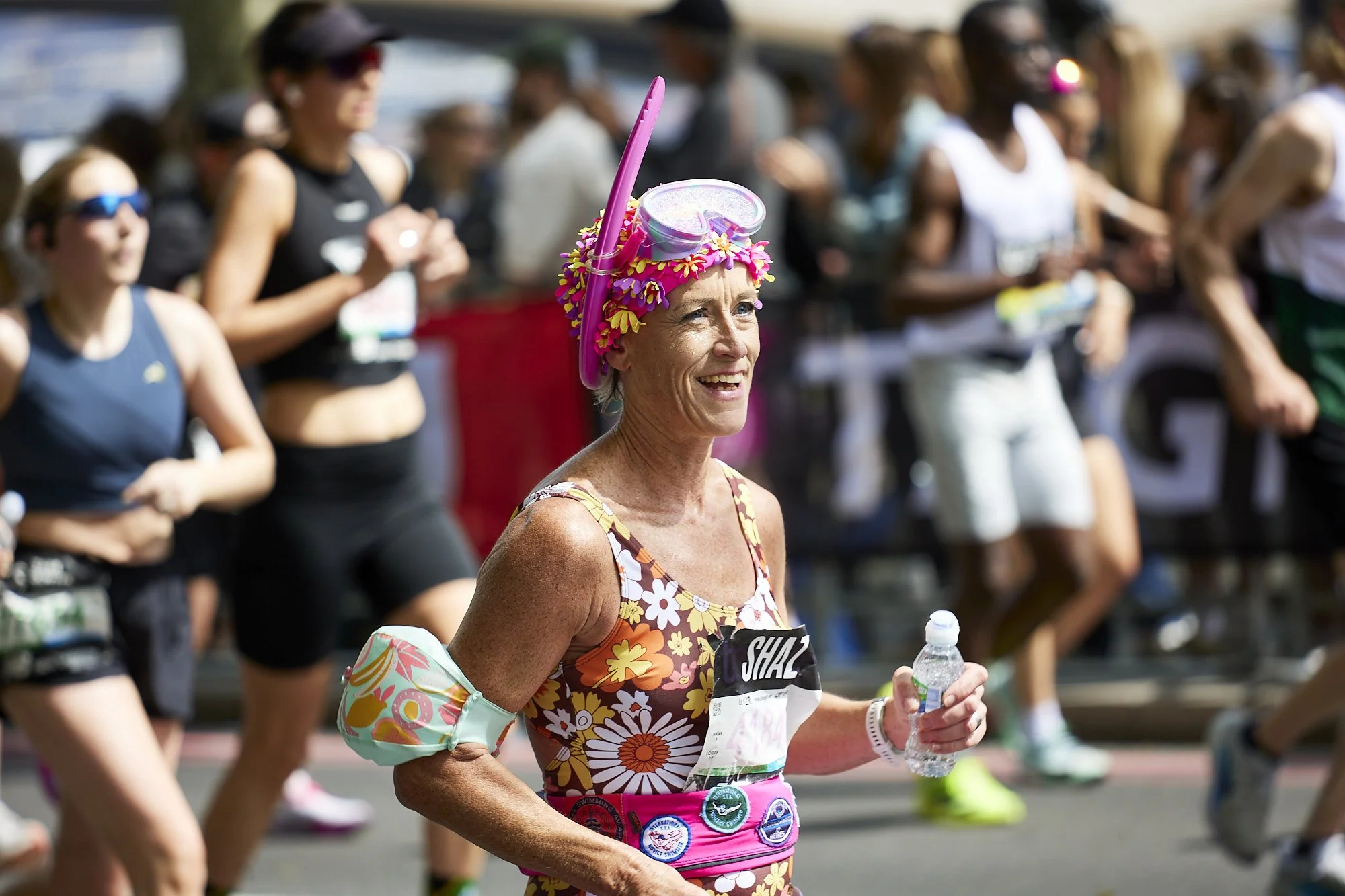
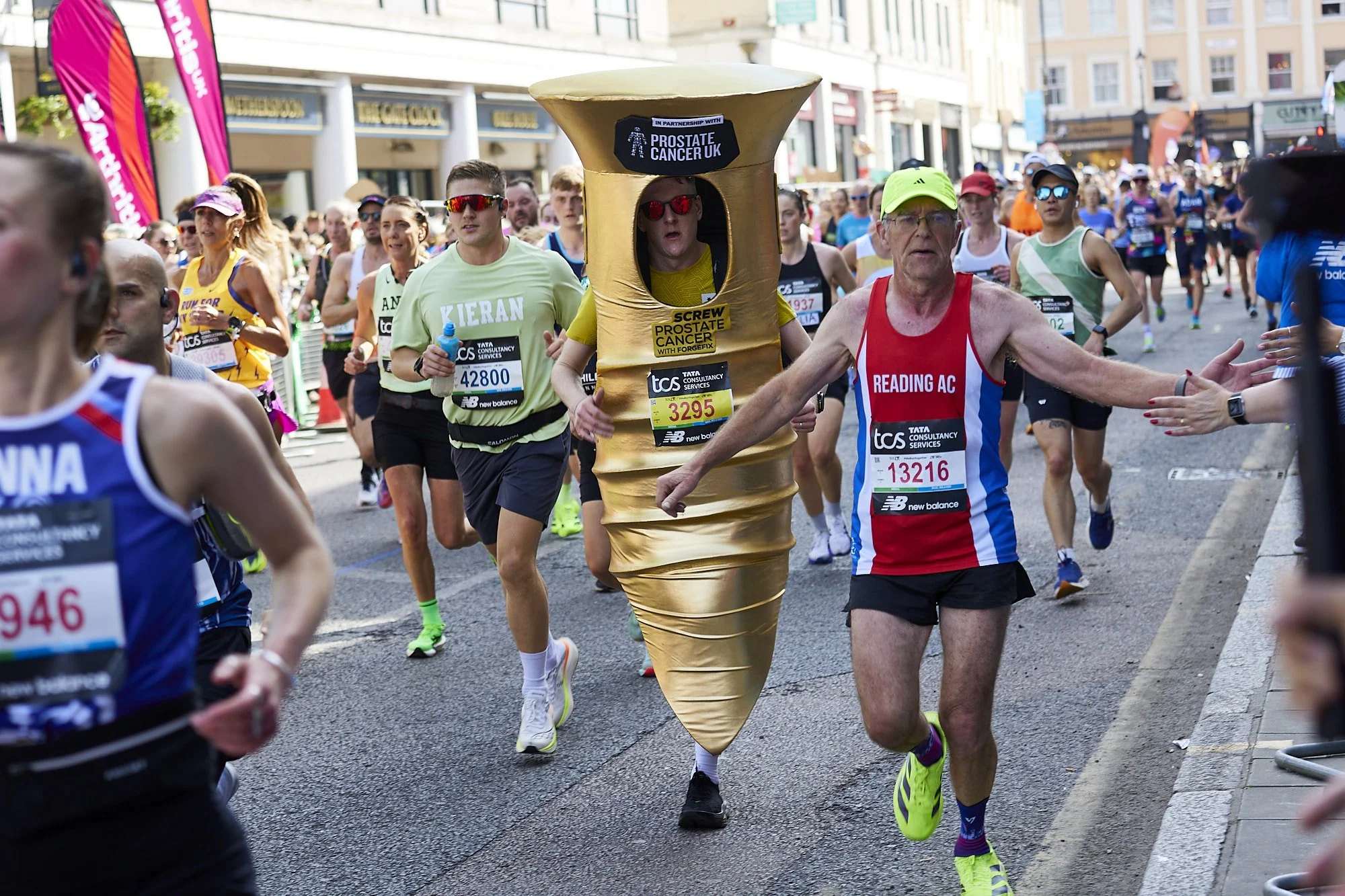
It’s in the runners in full fancy dress somehow still smiling at mile 20.
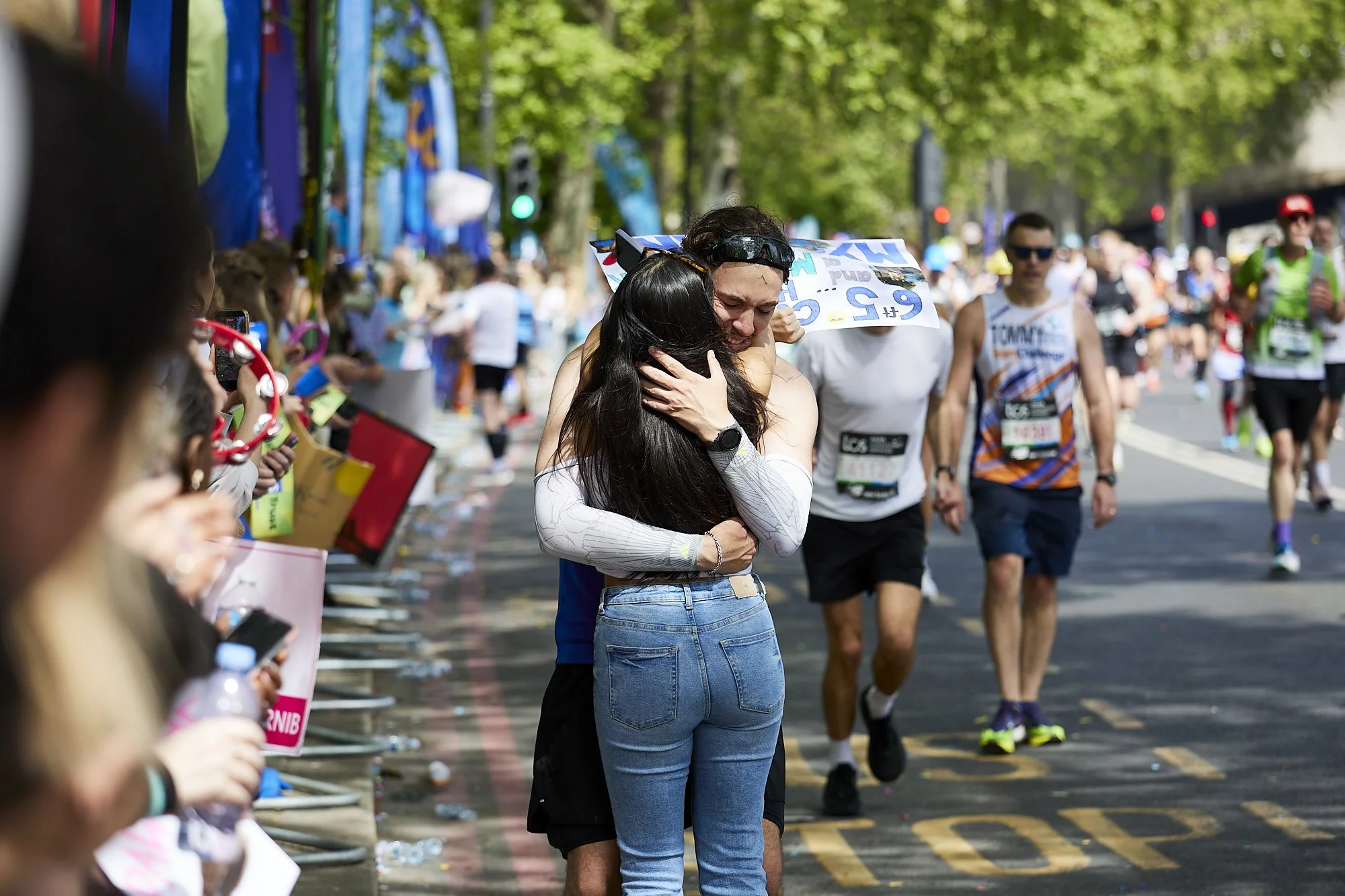
It’s in those fleeting, unfiltered moments – a hug mid-race, a glance to camera, a look of pure relief at the finish line.

Photographing the London Marathon is less about capturing a race and more about documenting humanity at full stretch.

Another year, another incredible experience behind the camera — and somehow, it still manages to feel fresh, unpredictable, and completely unforgettable.

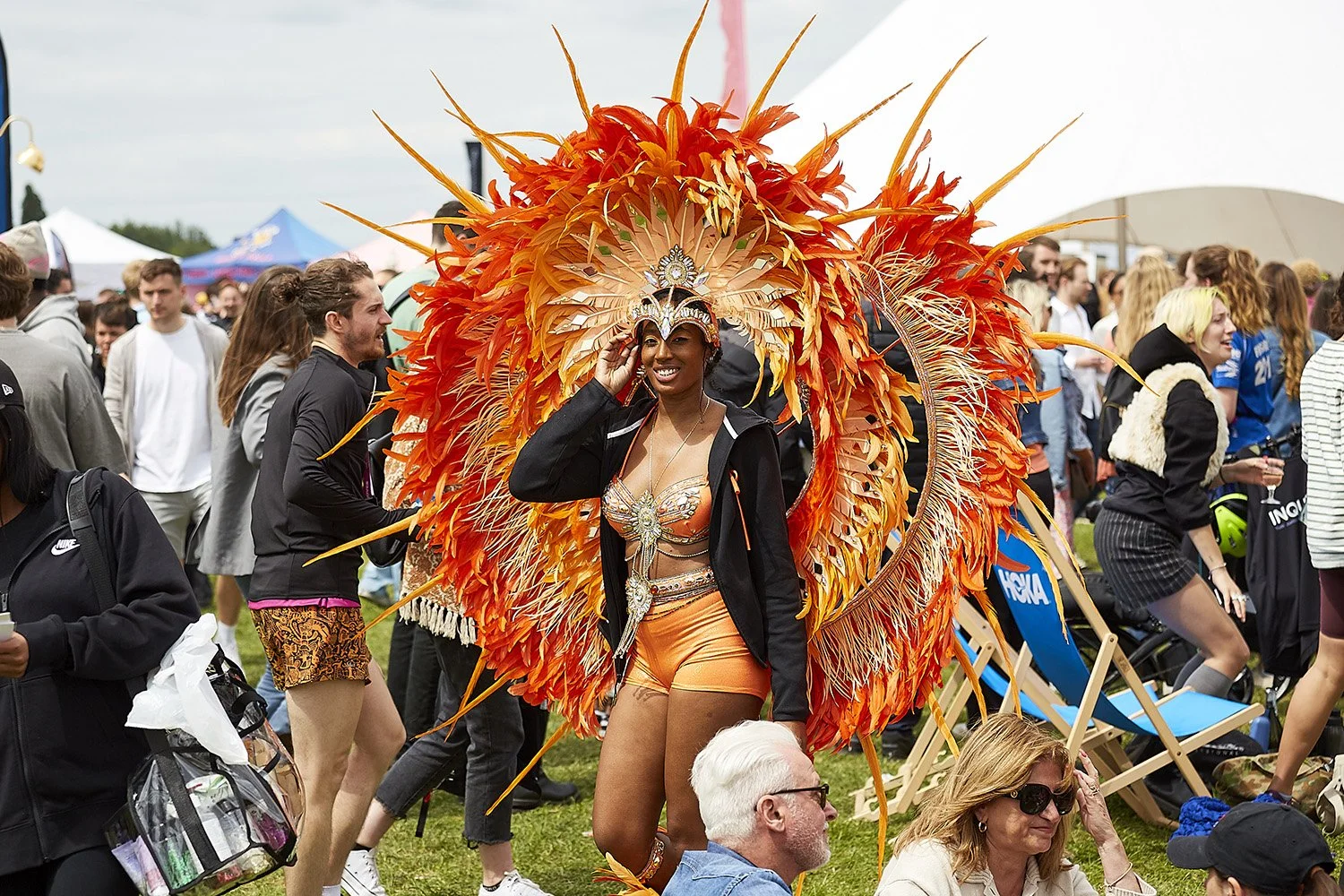
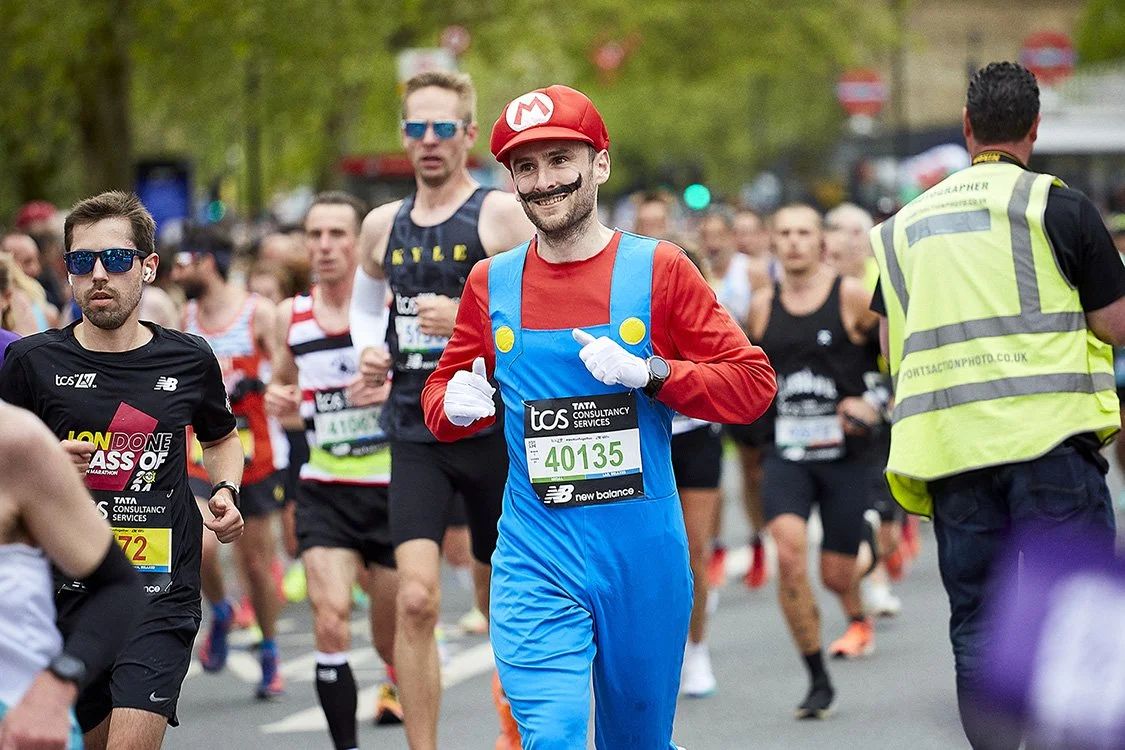
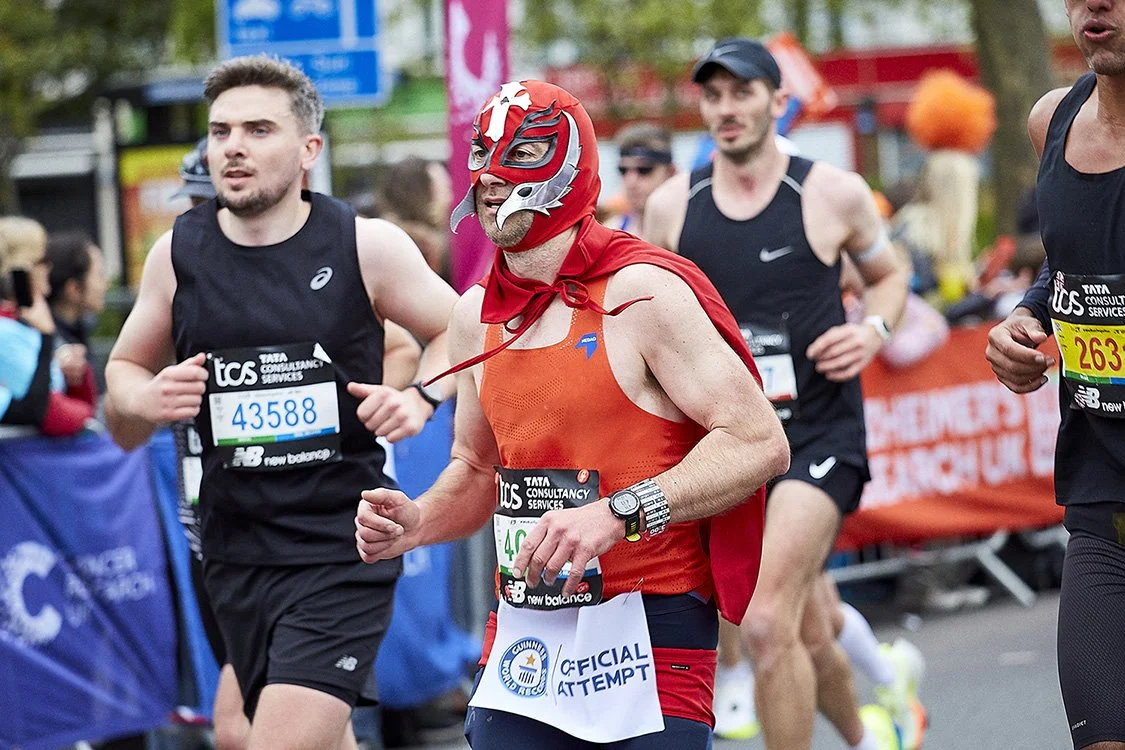
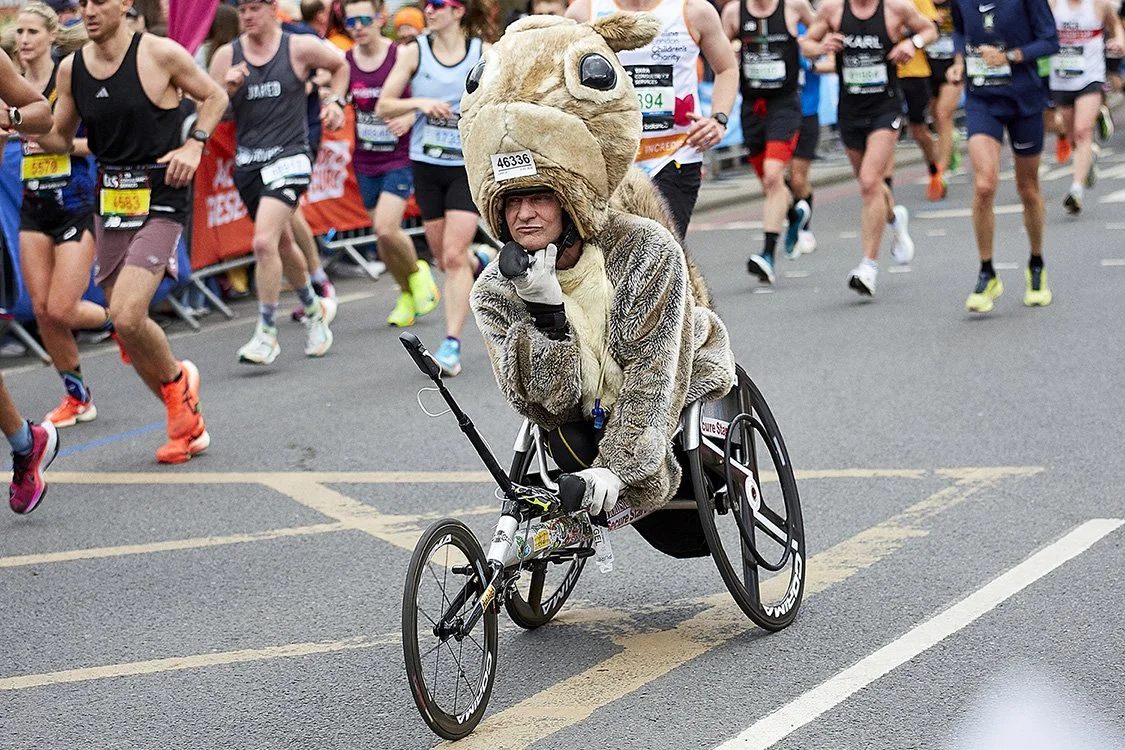
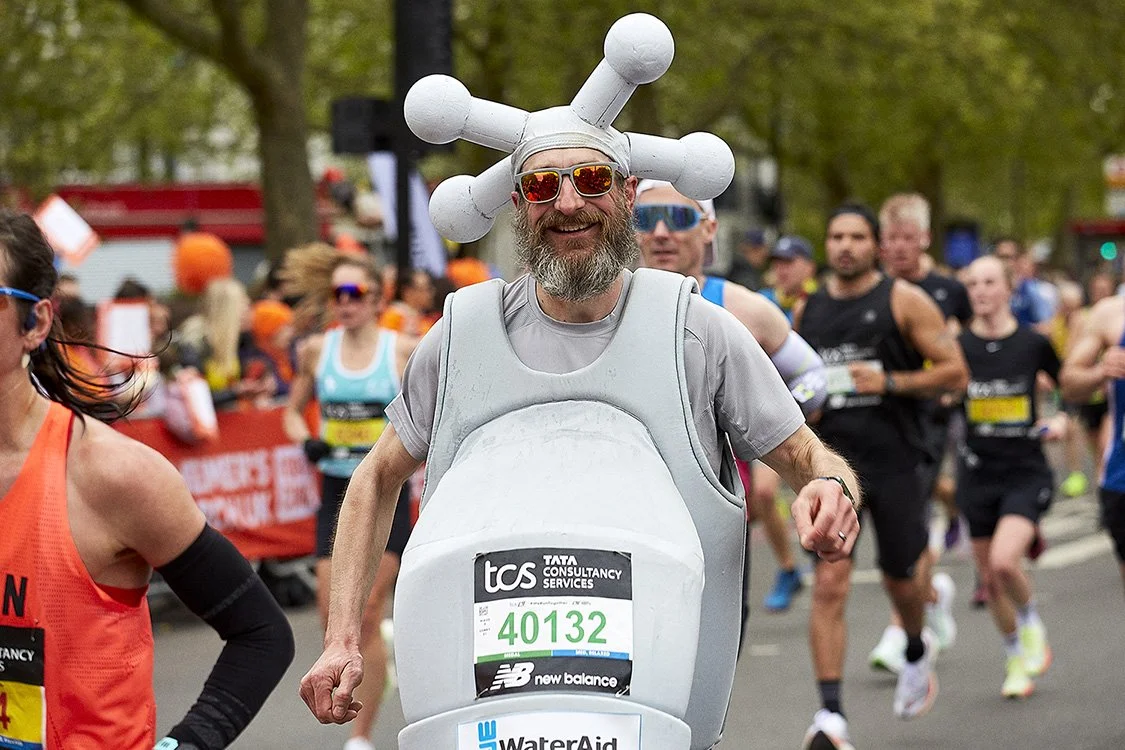
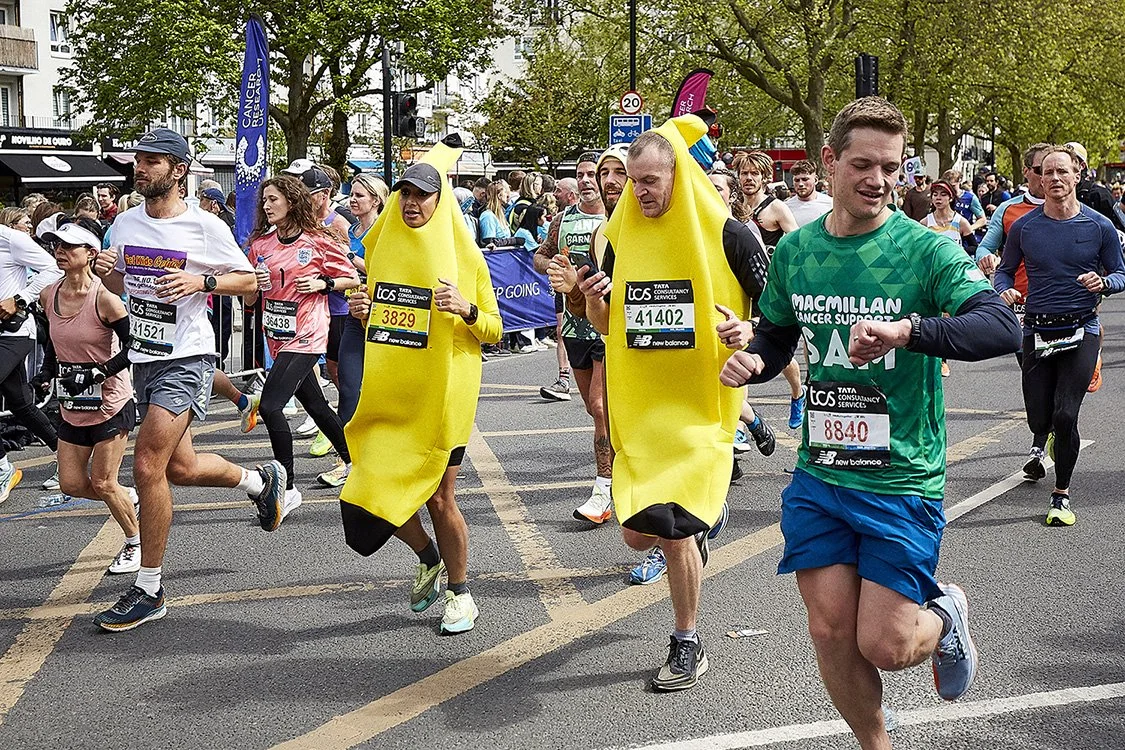
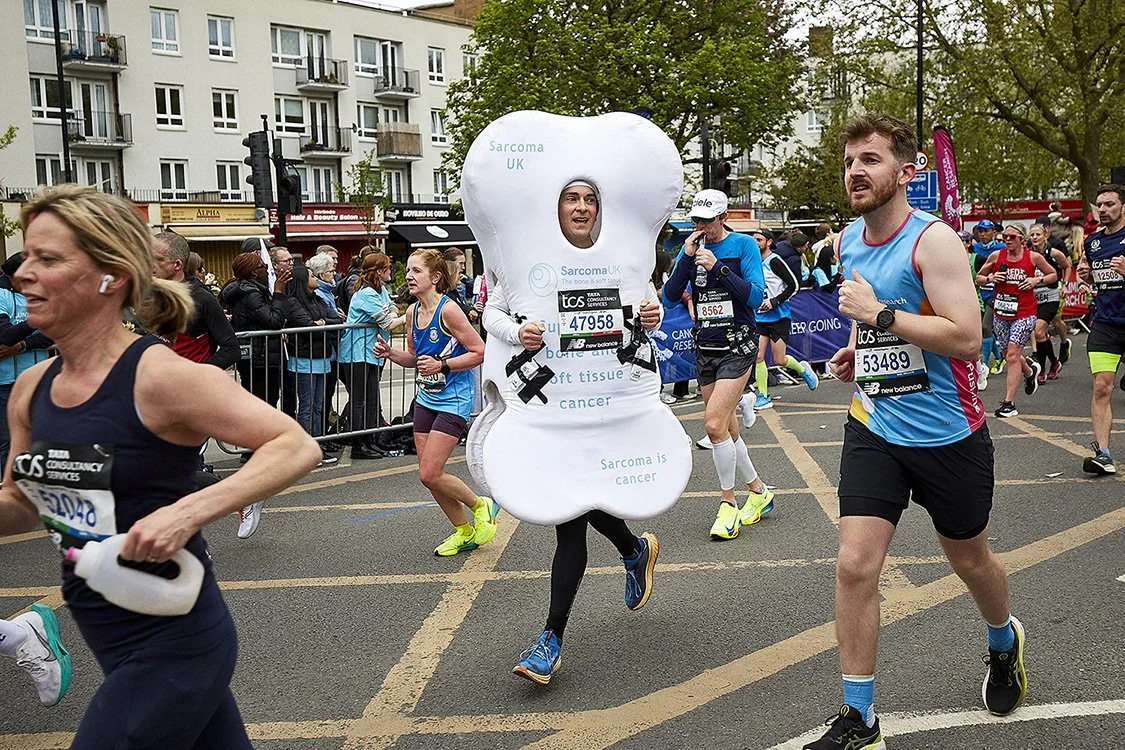
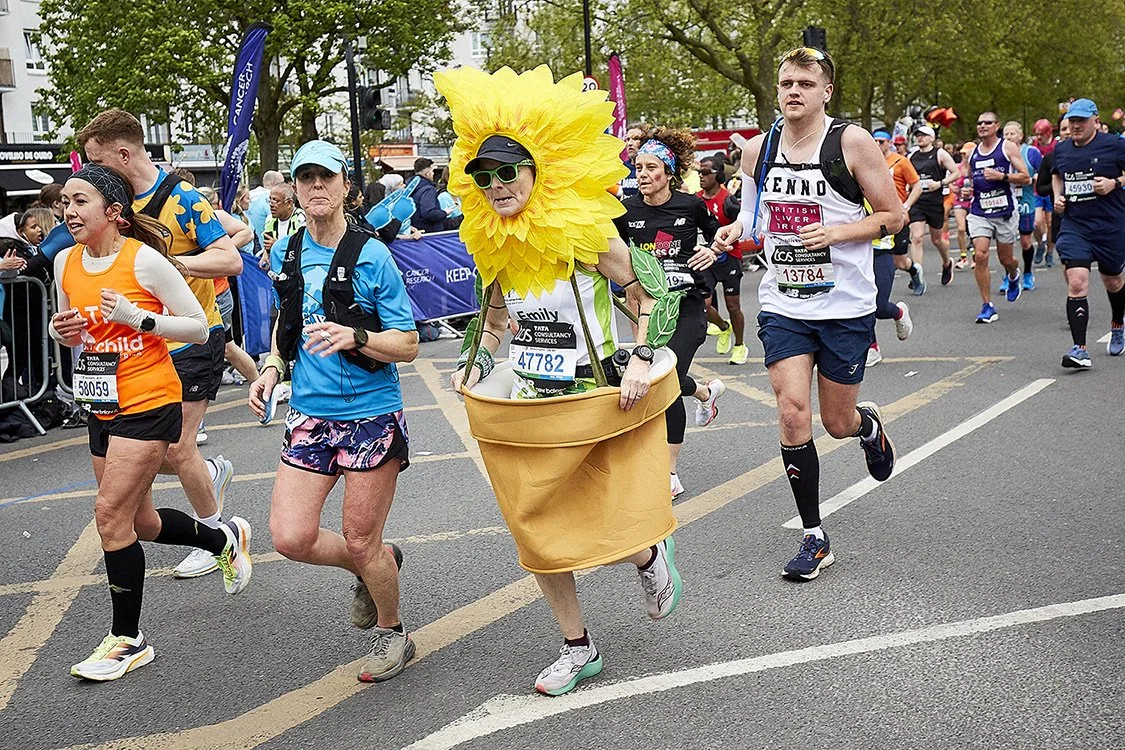
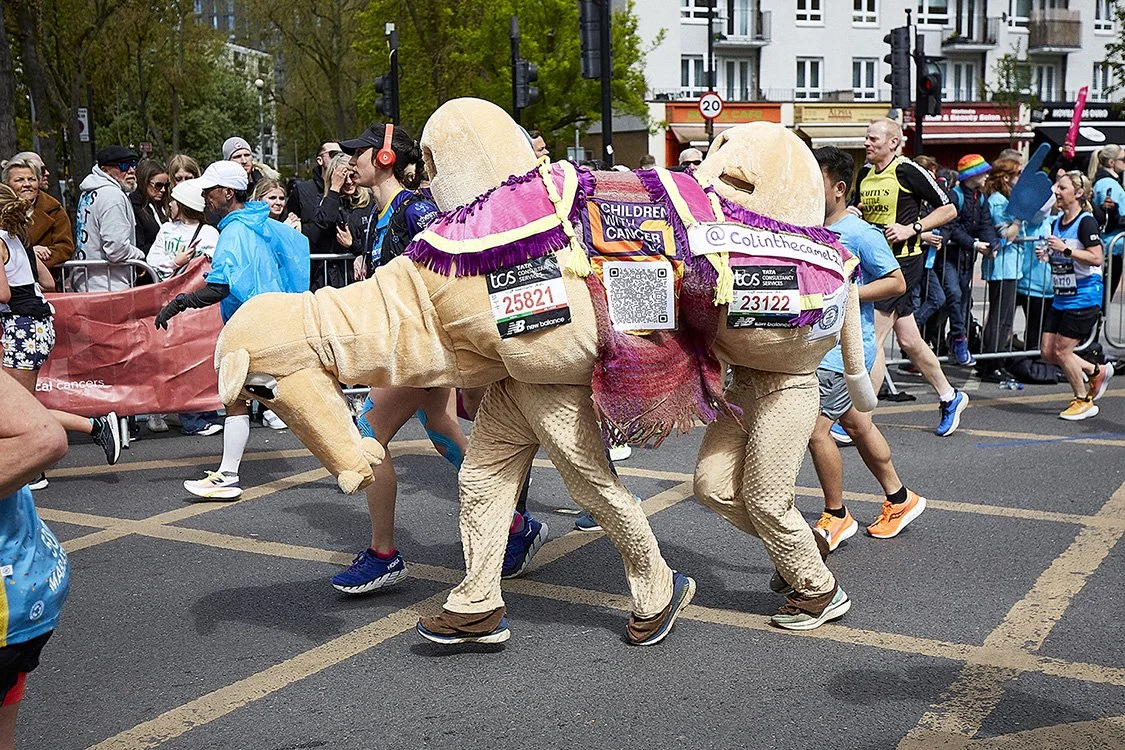
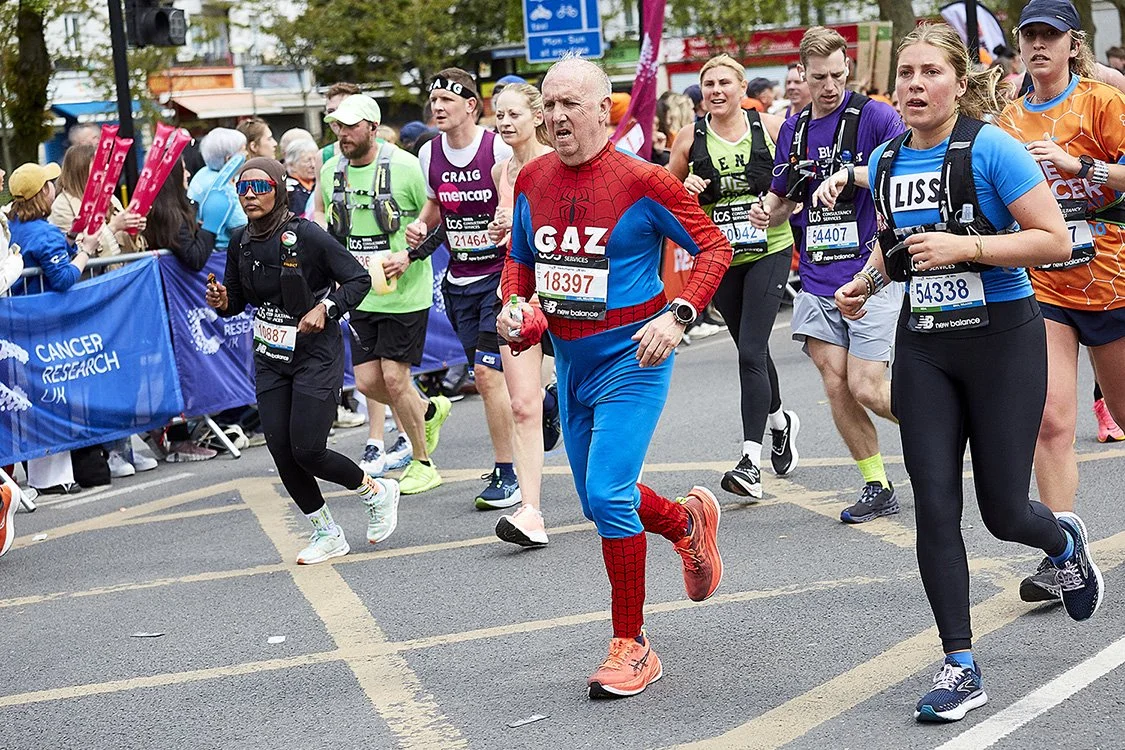
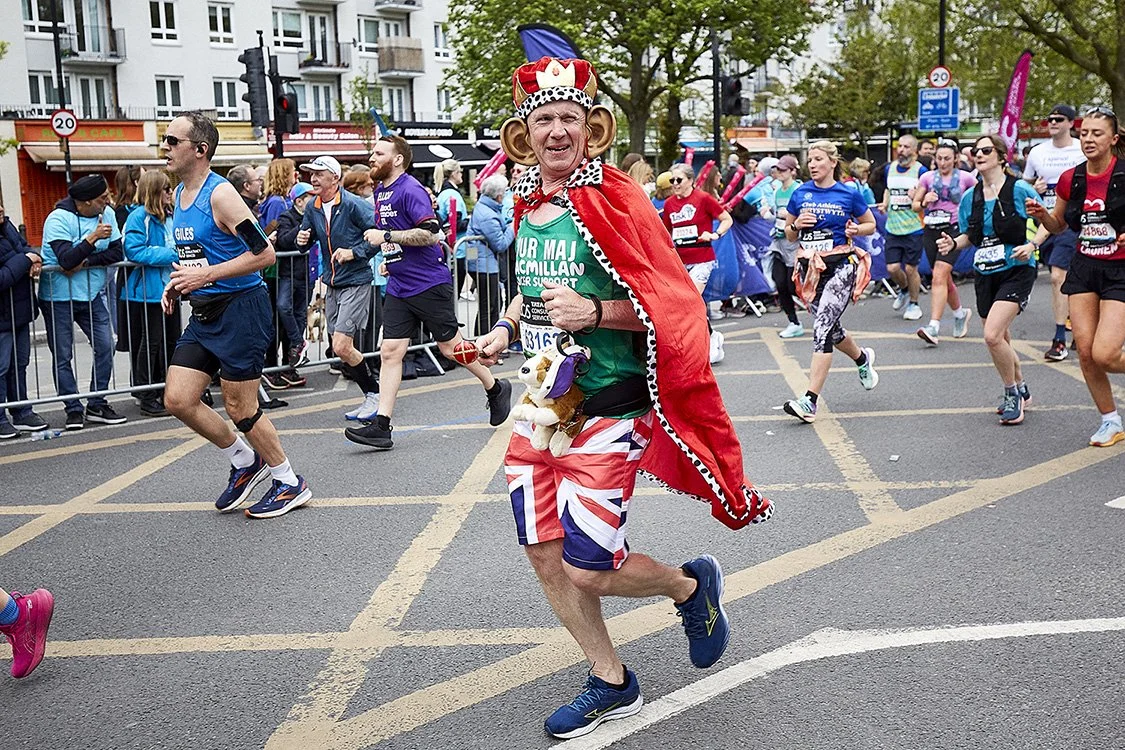
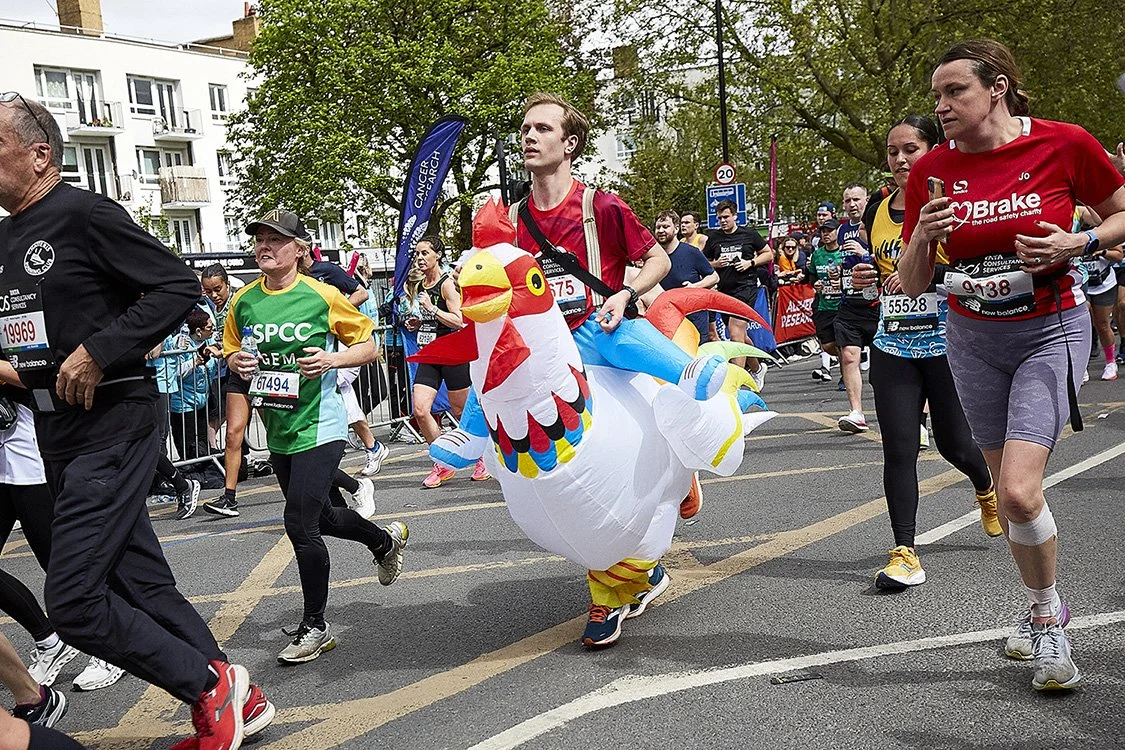
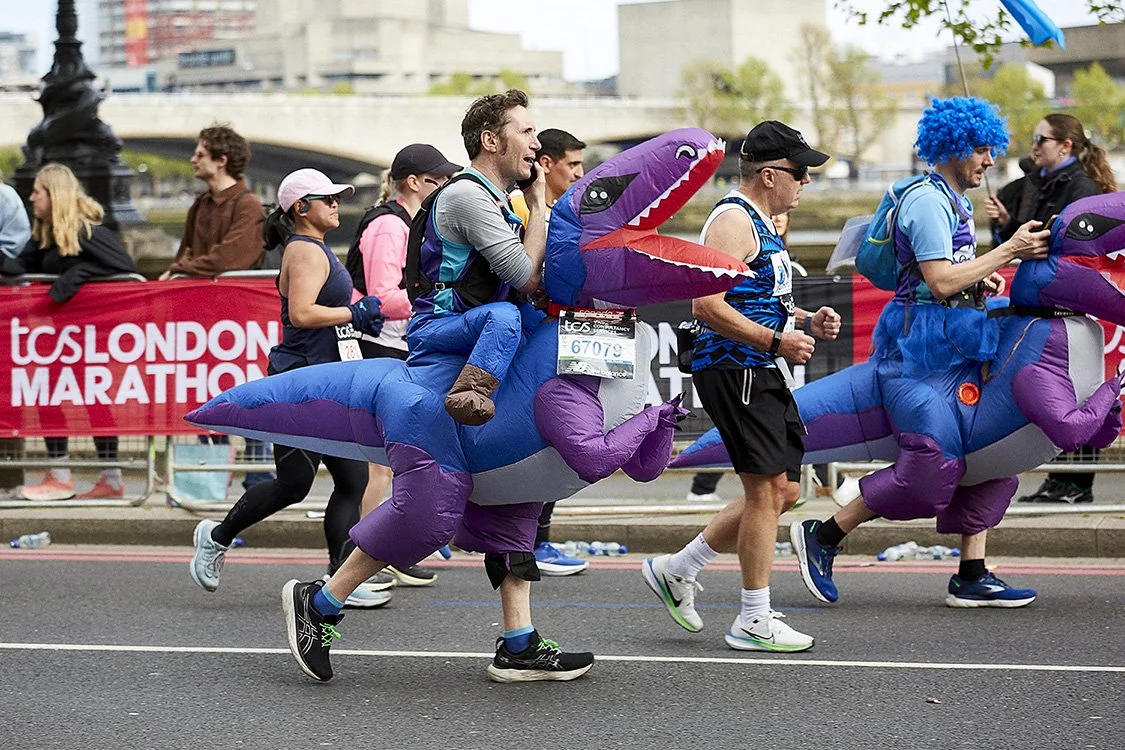
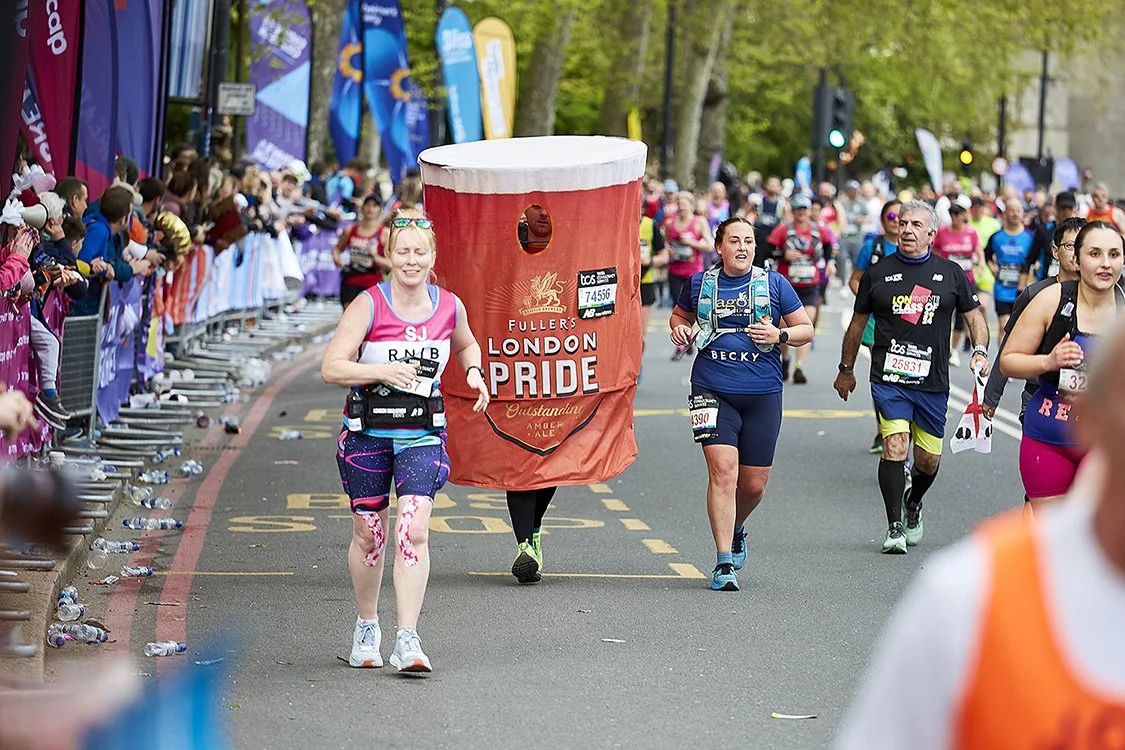
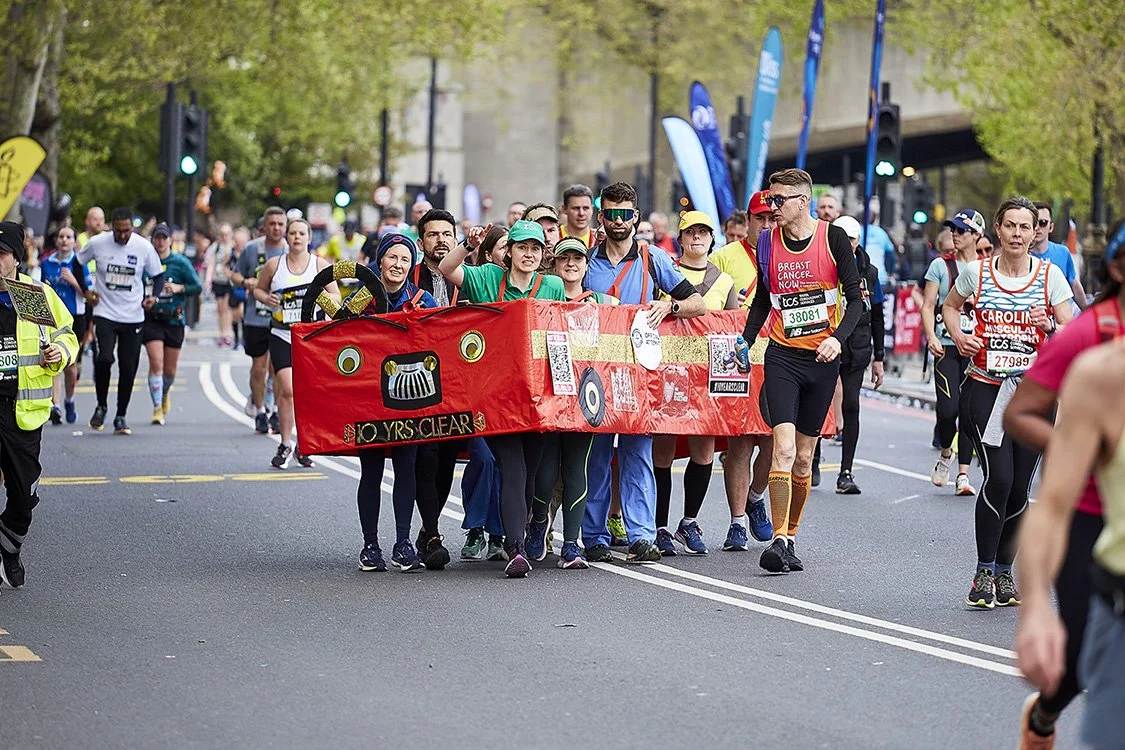
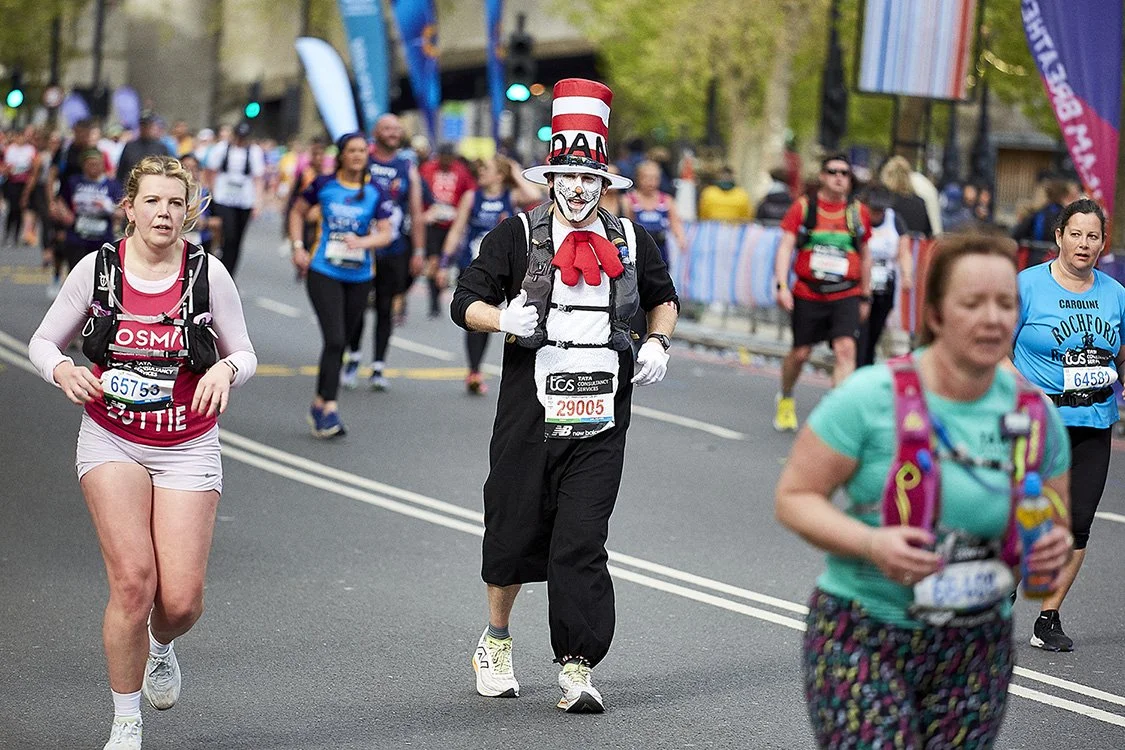
Fast Fancy Dress: Capturing the Colour of the London Marathon

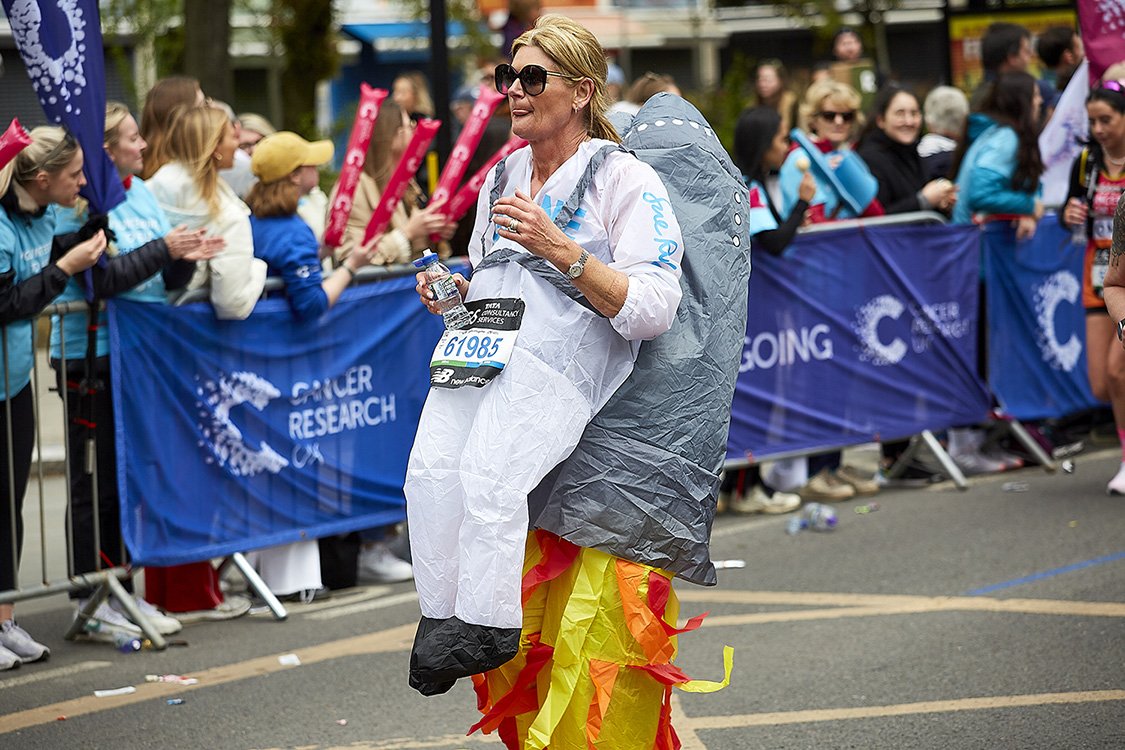
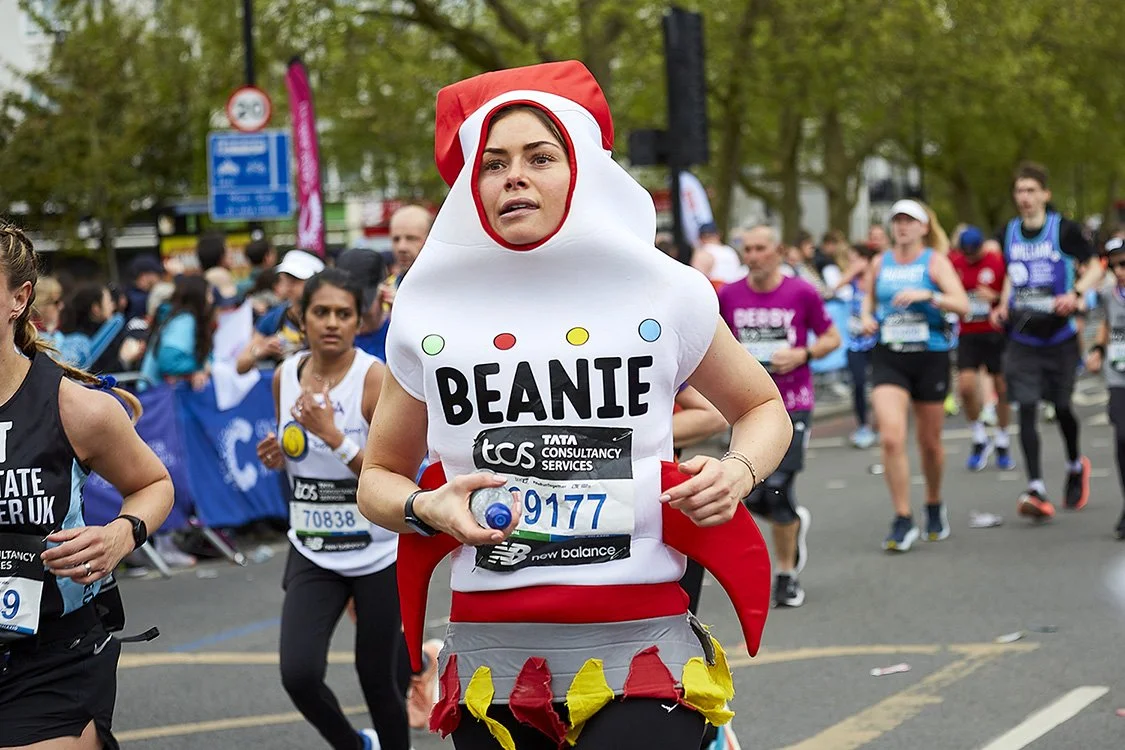
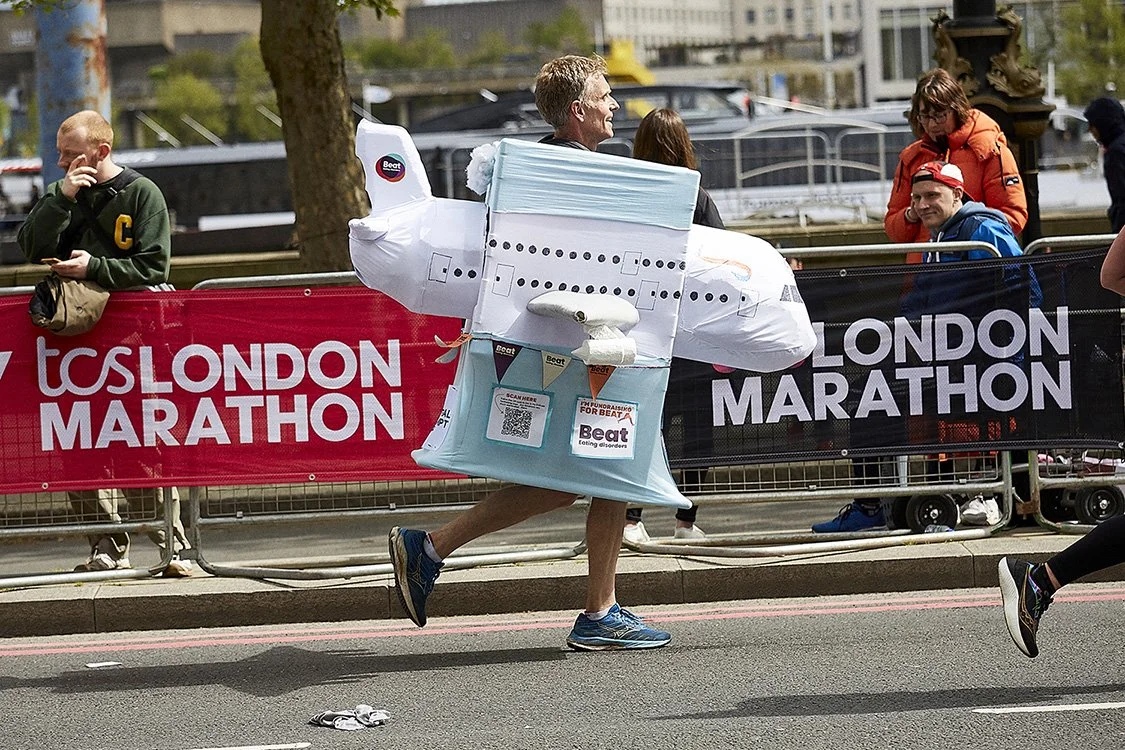
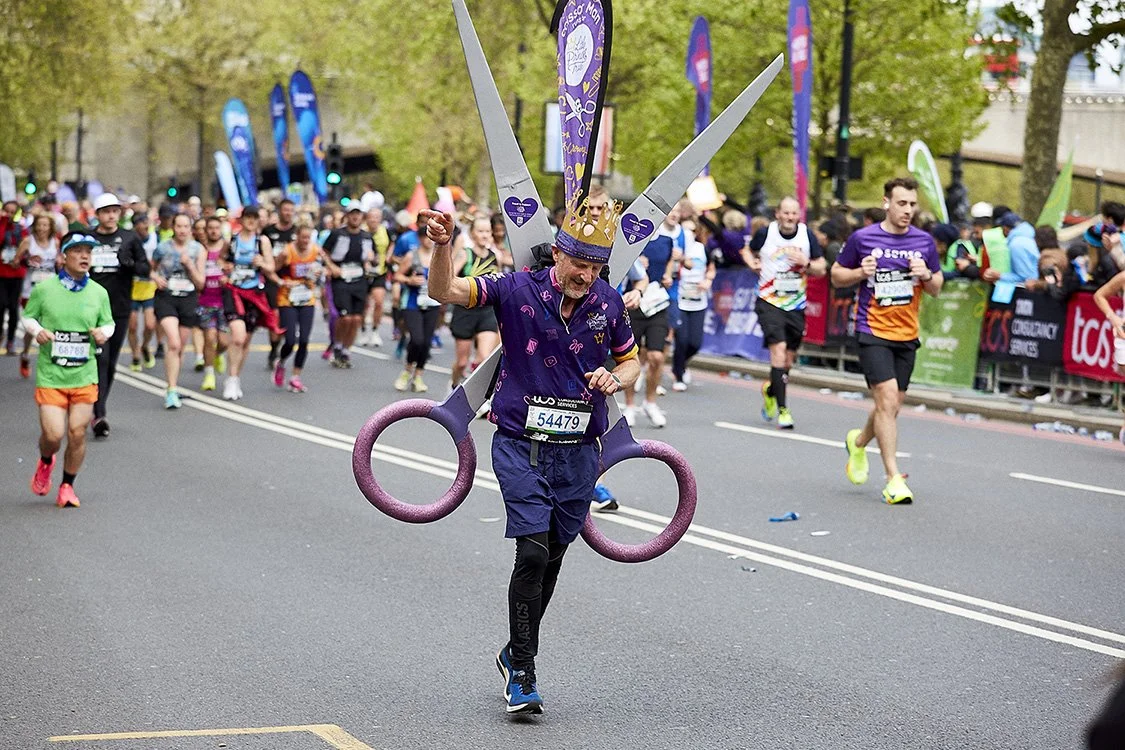
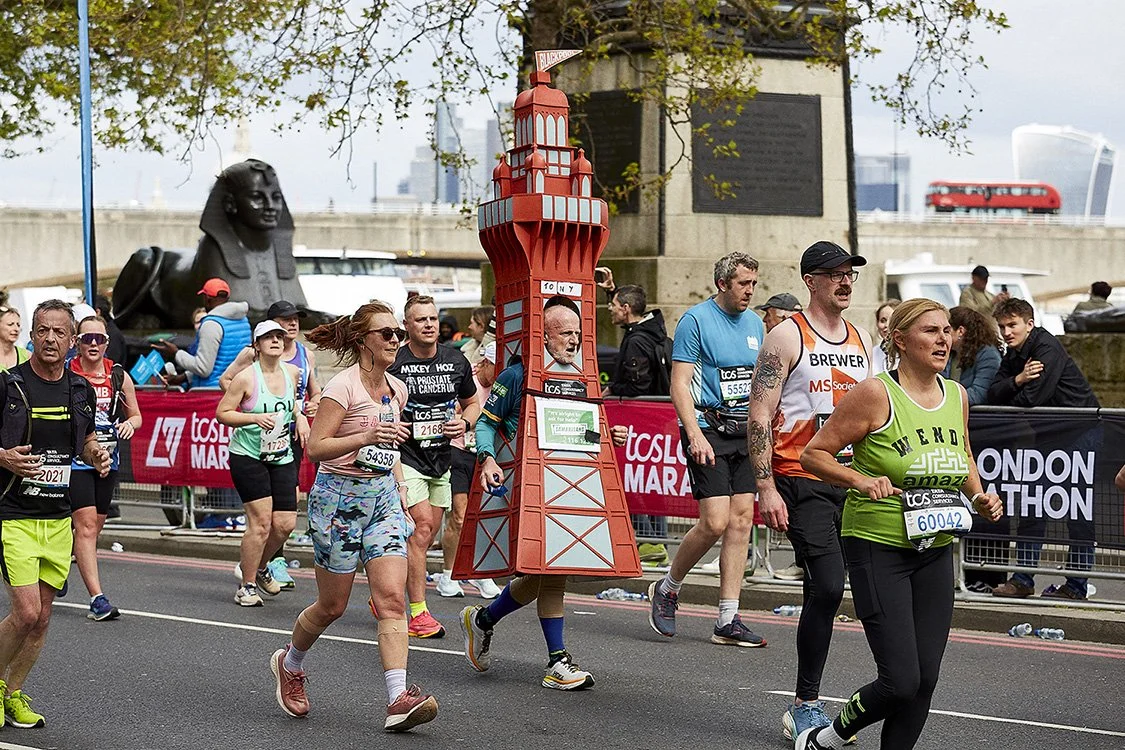
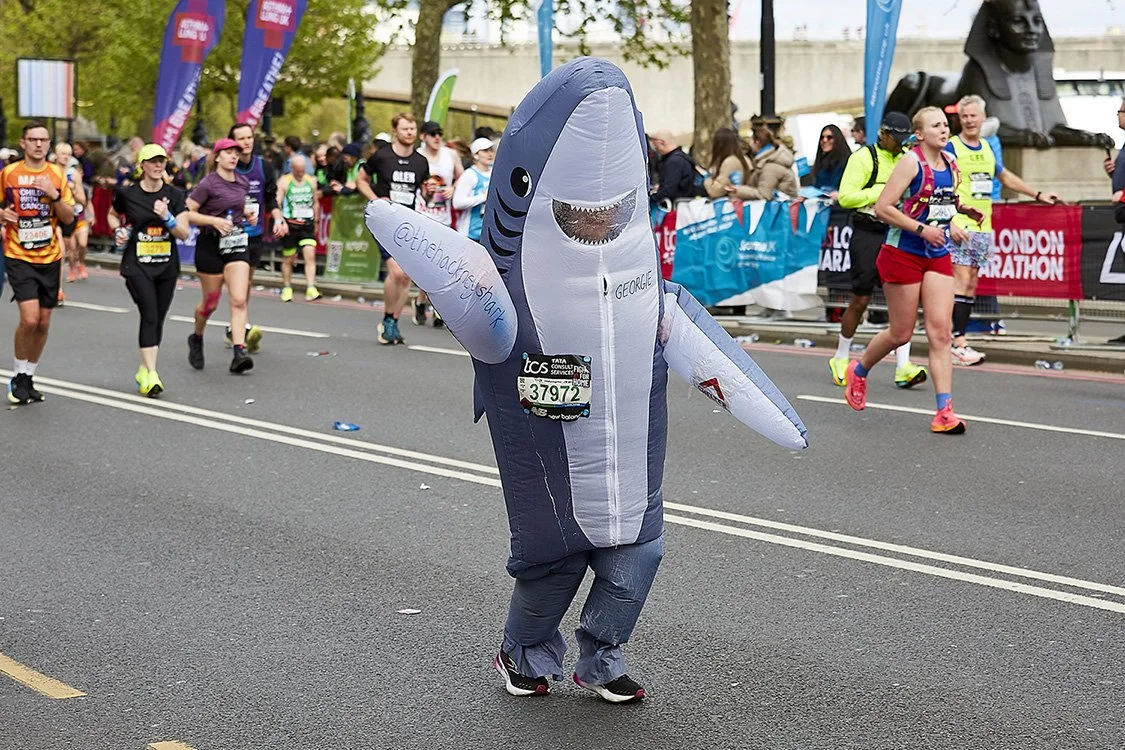
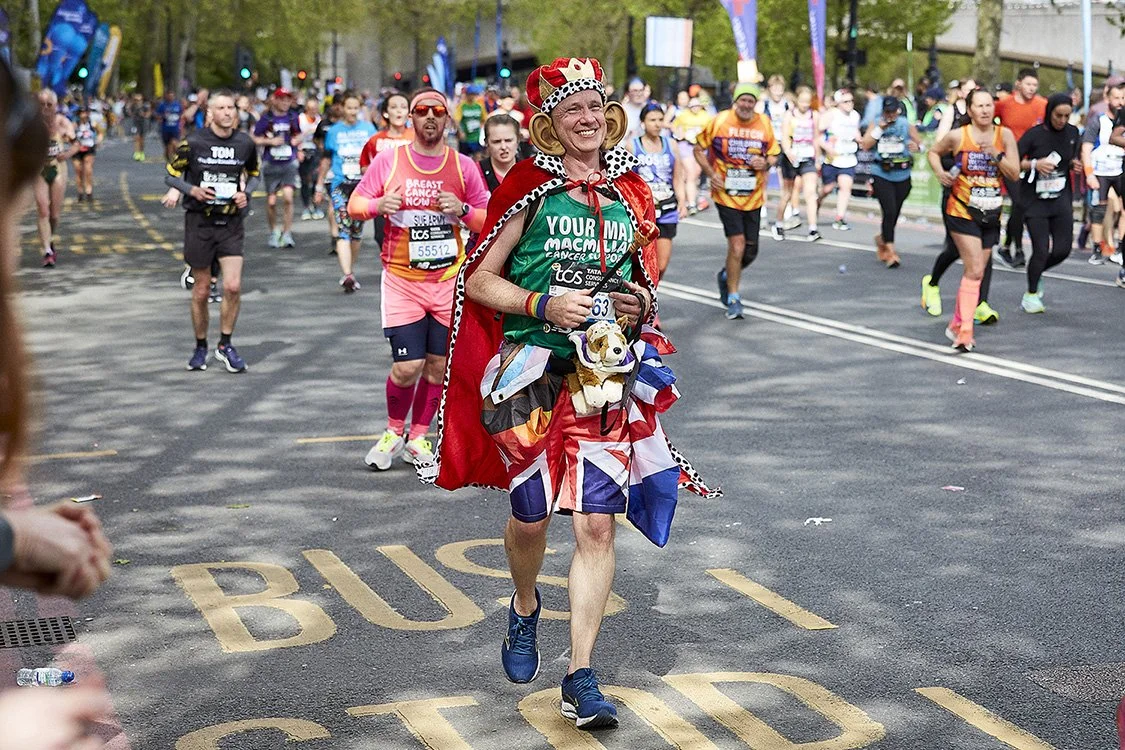
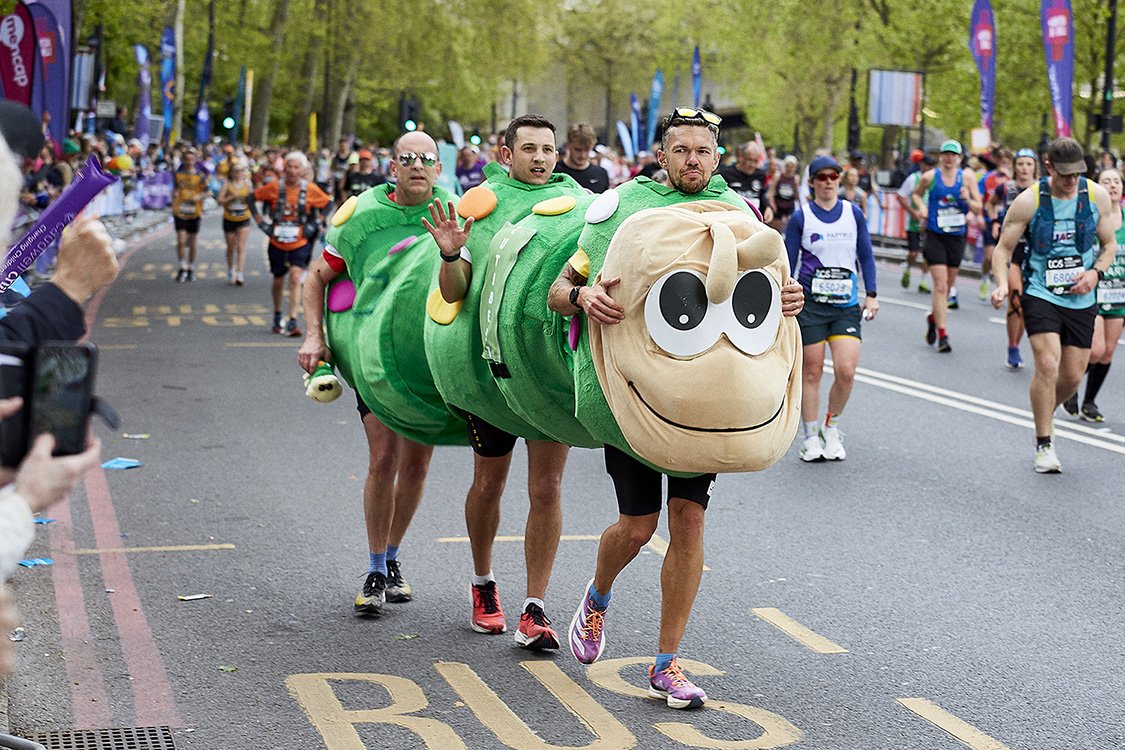
Photographing the London Marathon is always a spectacle, but it’s the fancy dress runners that often steal the show.

From superheroes to giant bananas, each costume brings personality, humour, and a story worth capturing. As they pass by, there’s a split second to frame the shot – balancing movement, crowd energy, and expression. These moments go beyond sport; they’re about spirit, creativity, and resilience. Whilst taking photos on the day, I aim to document not just the race, but the joy and individuality that make the marathon one of London’s most vibrant visual events.

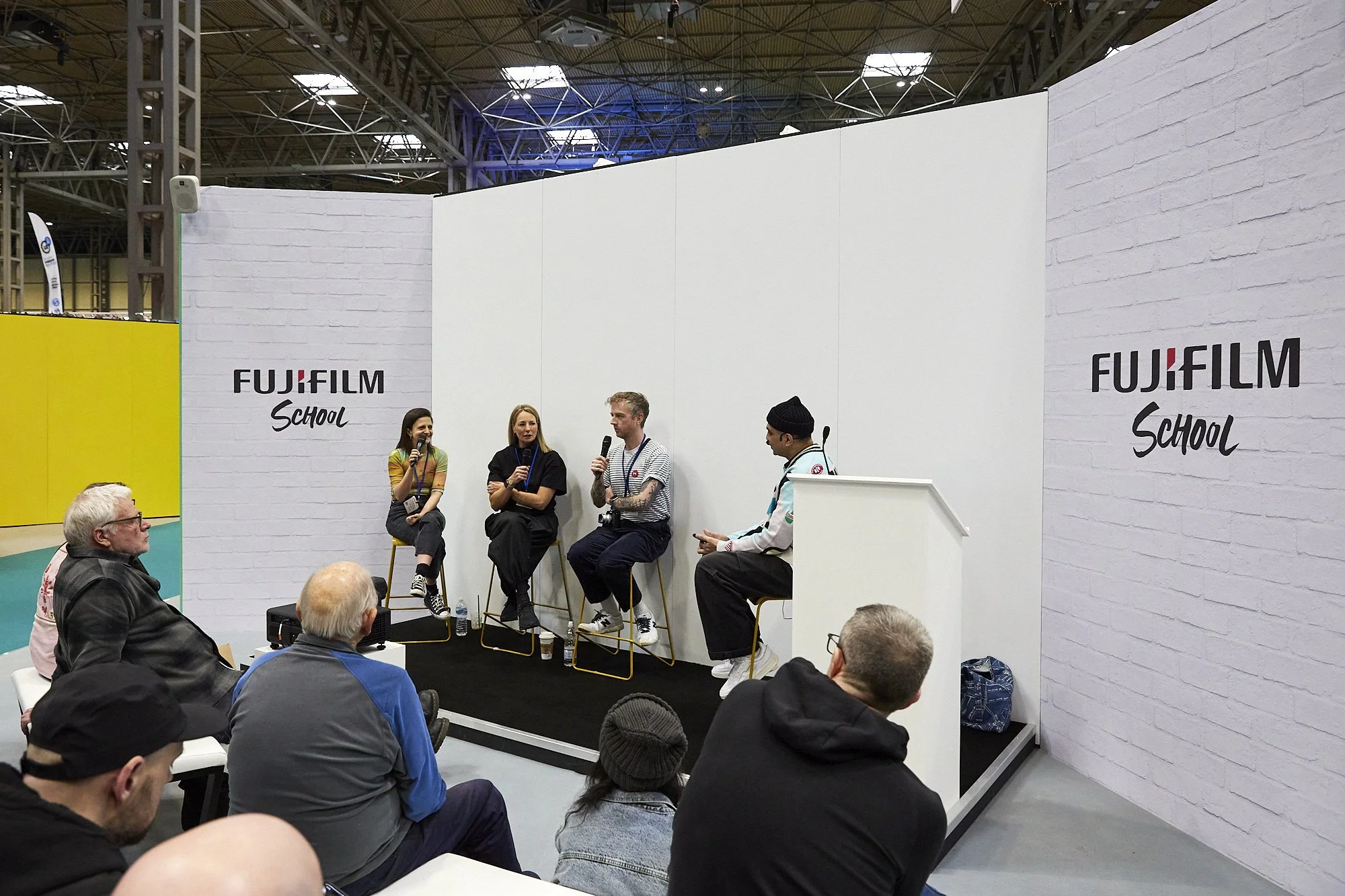
The Photography and Video Show 2026

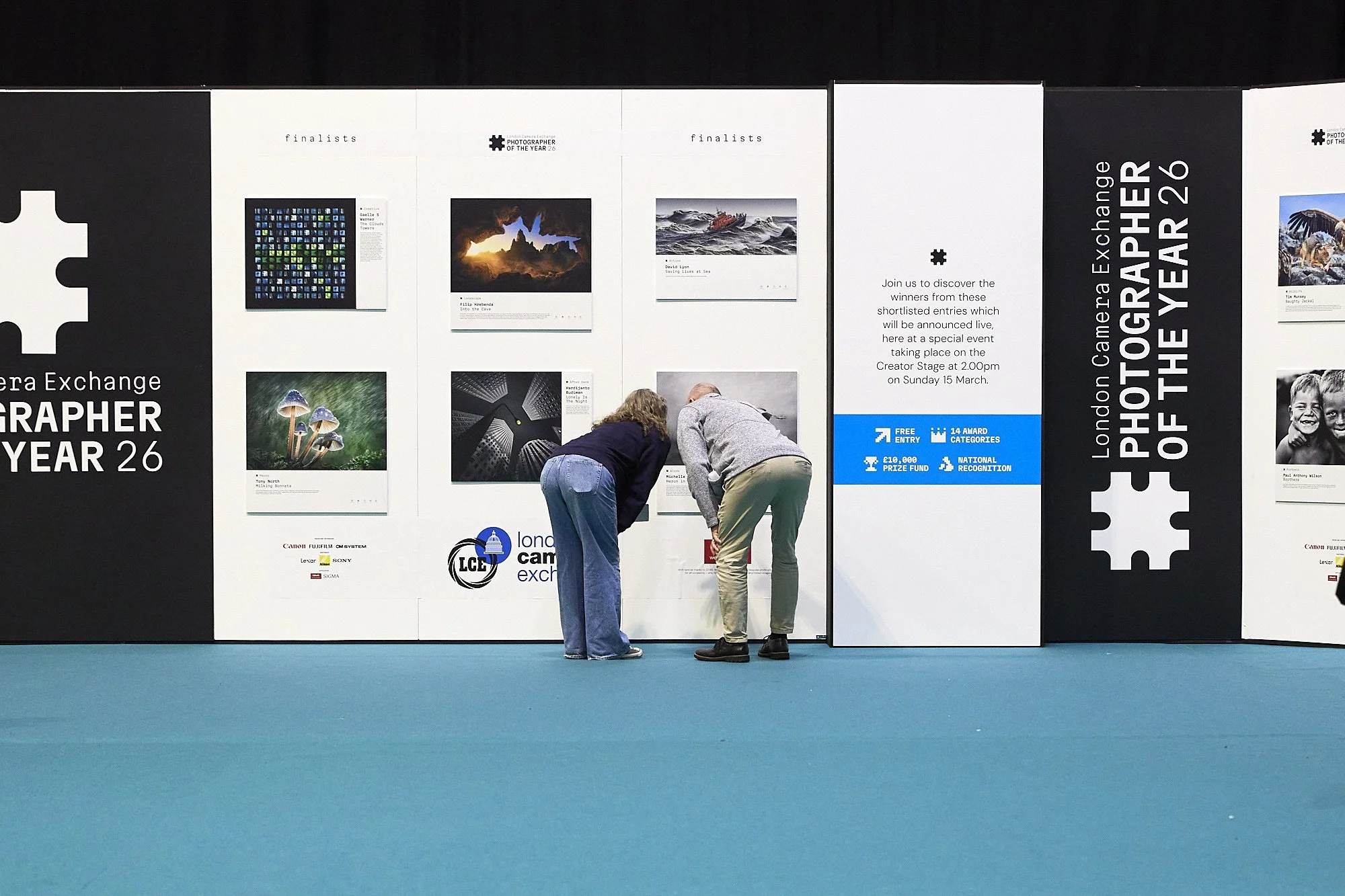
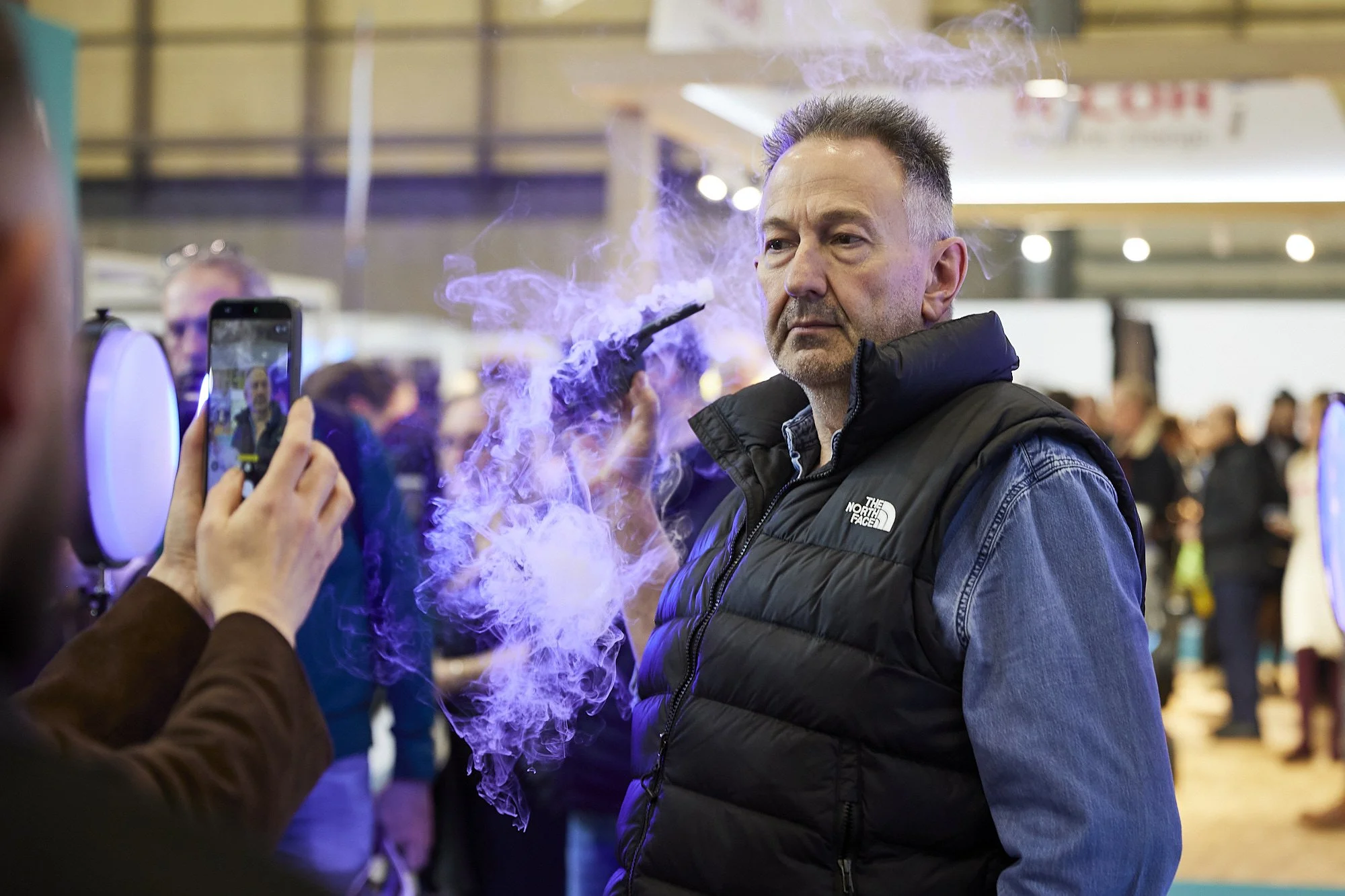
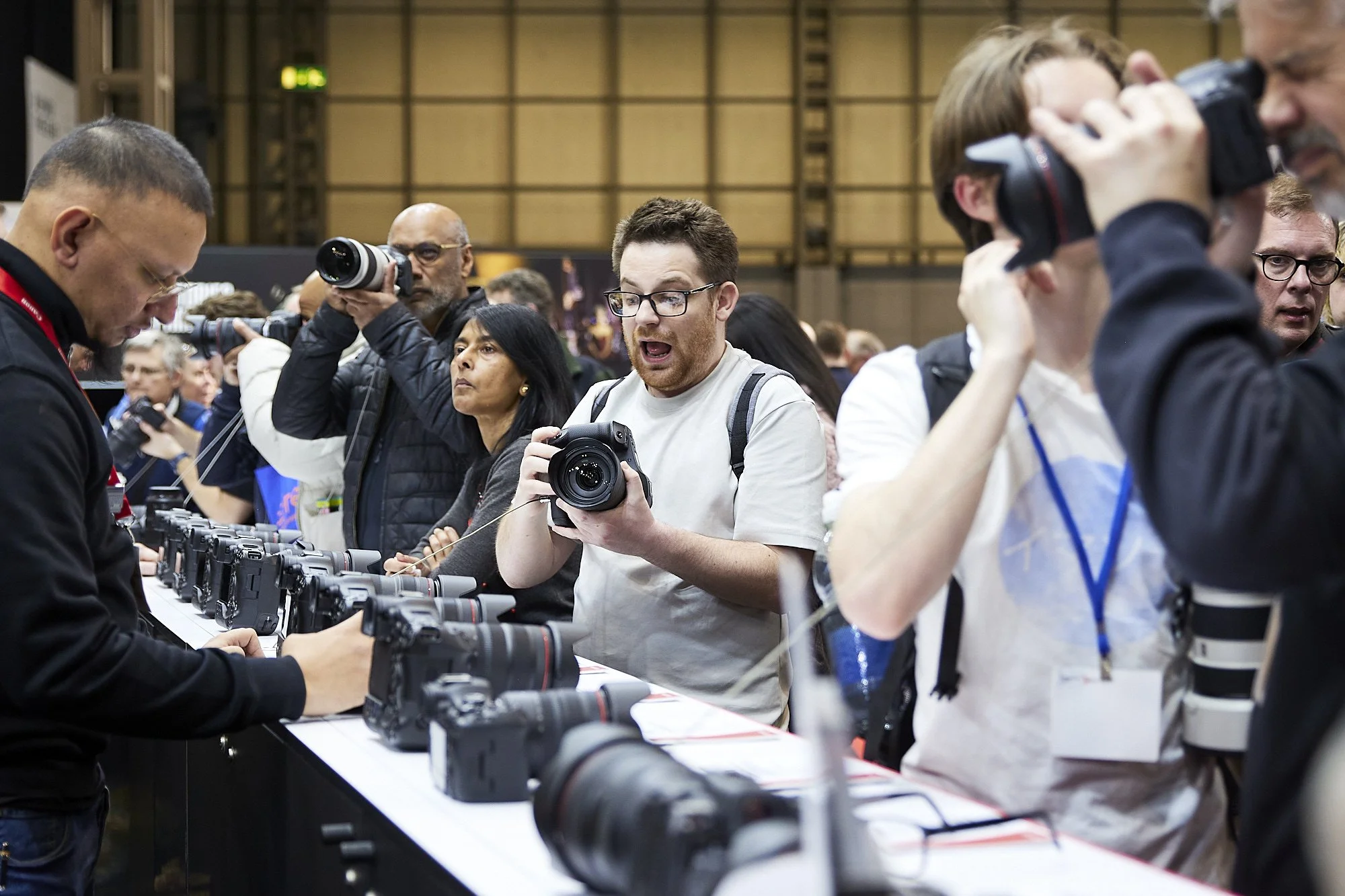
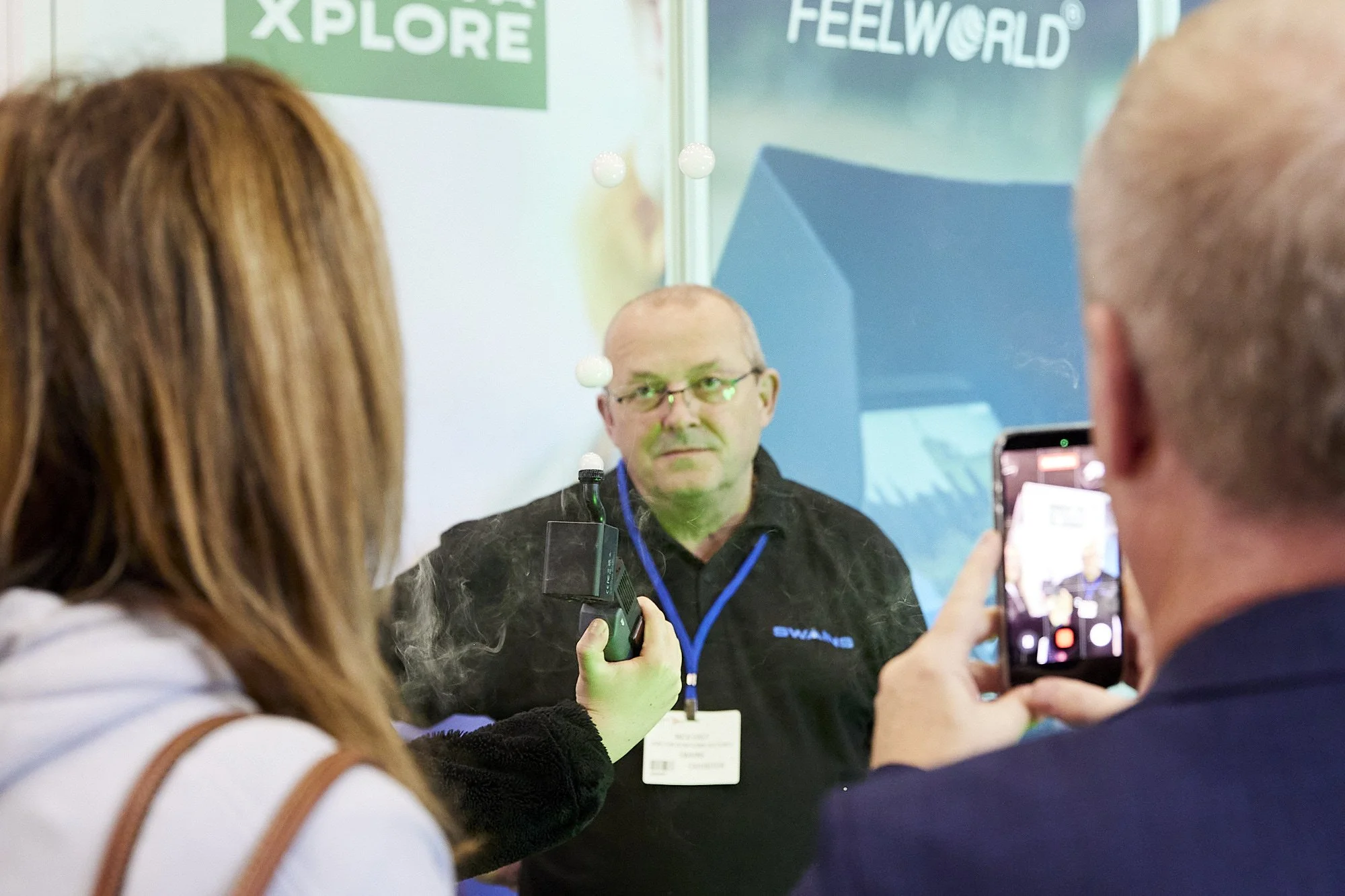
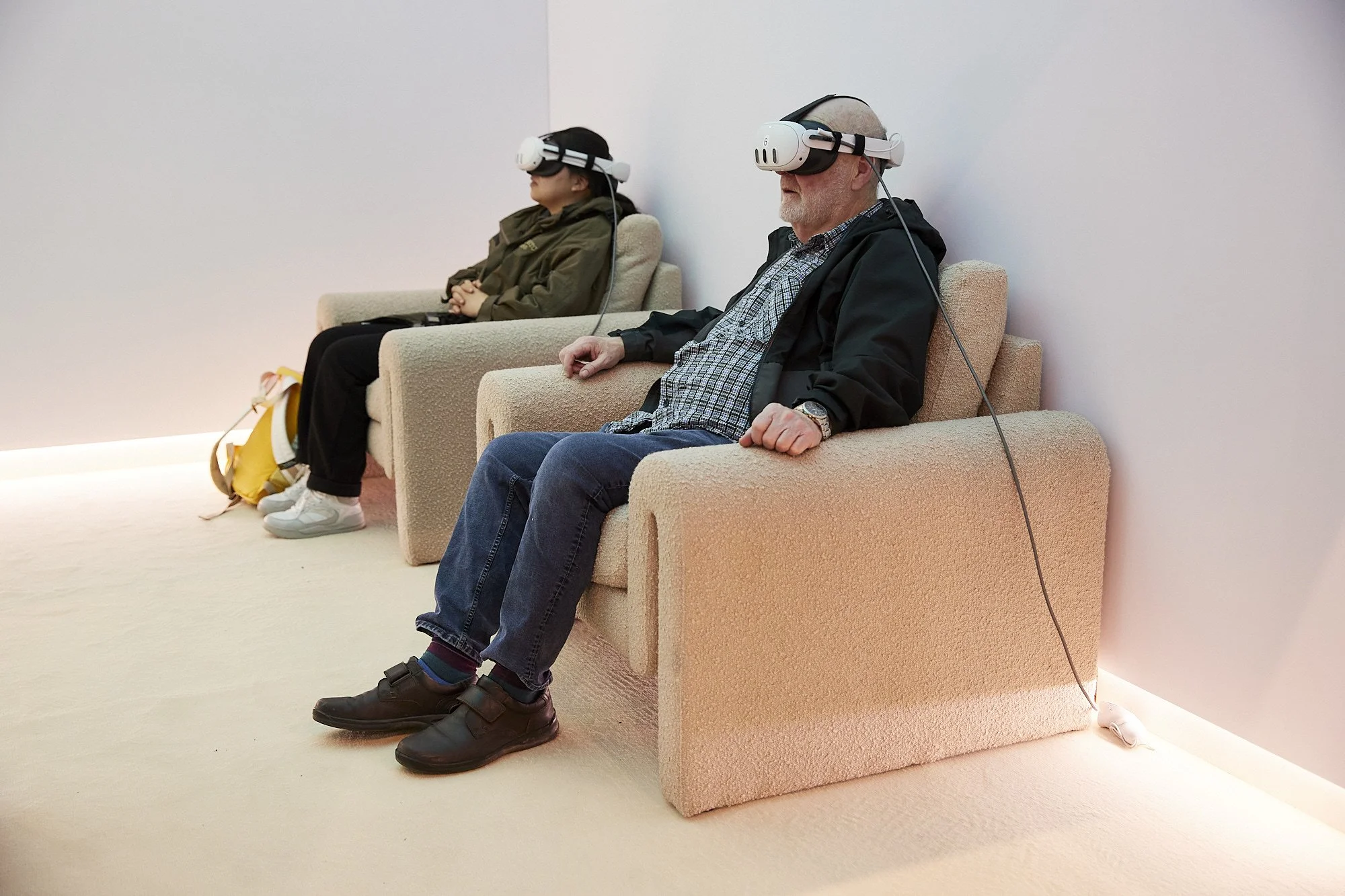
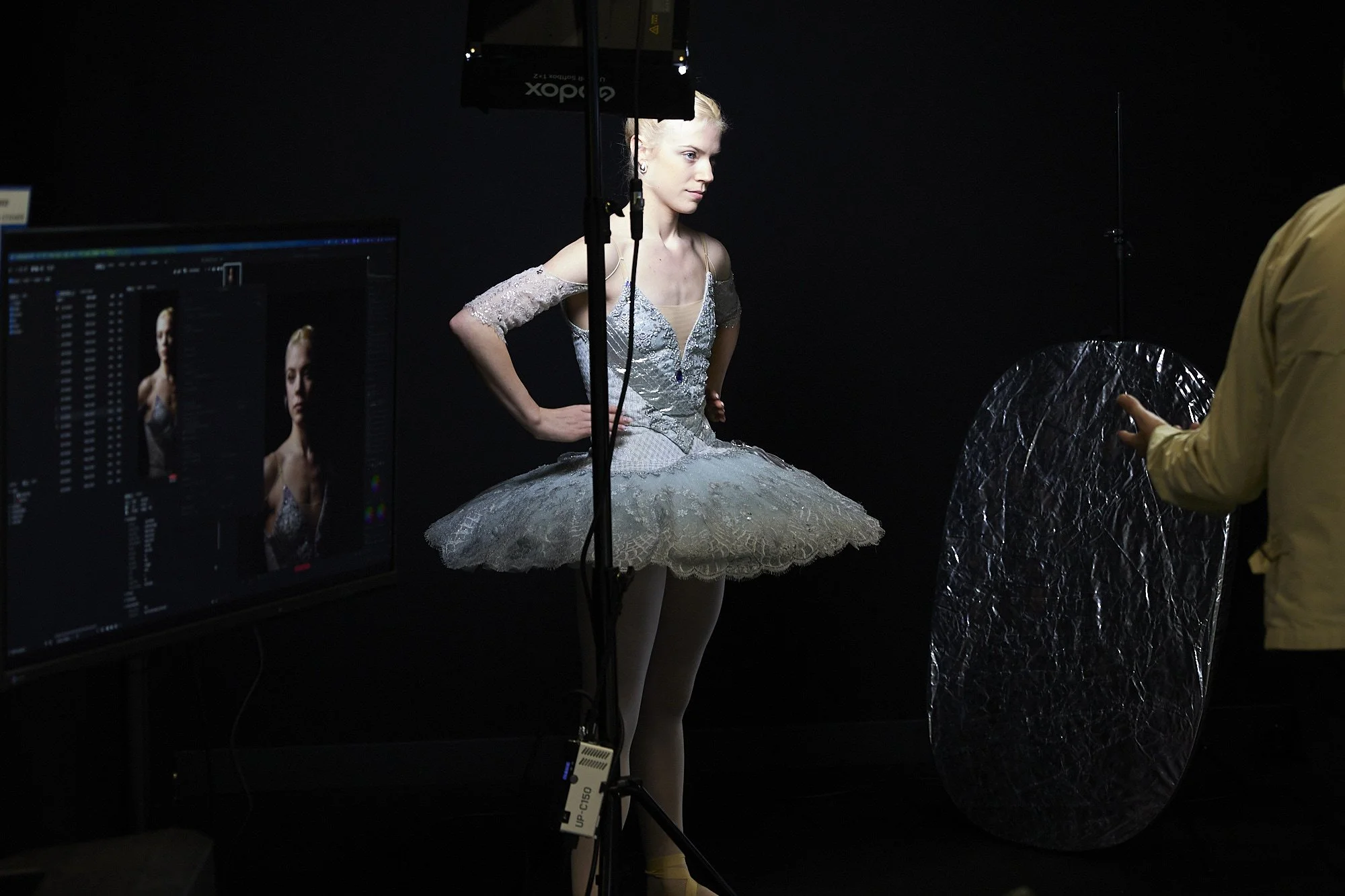
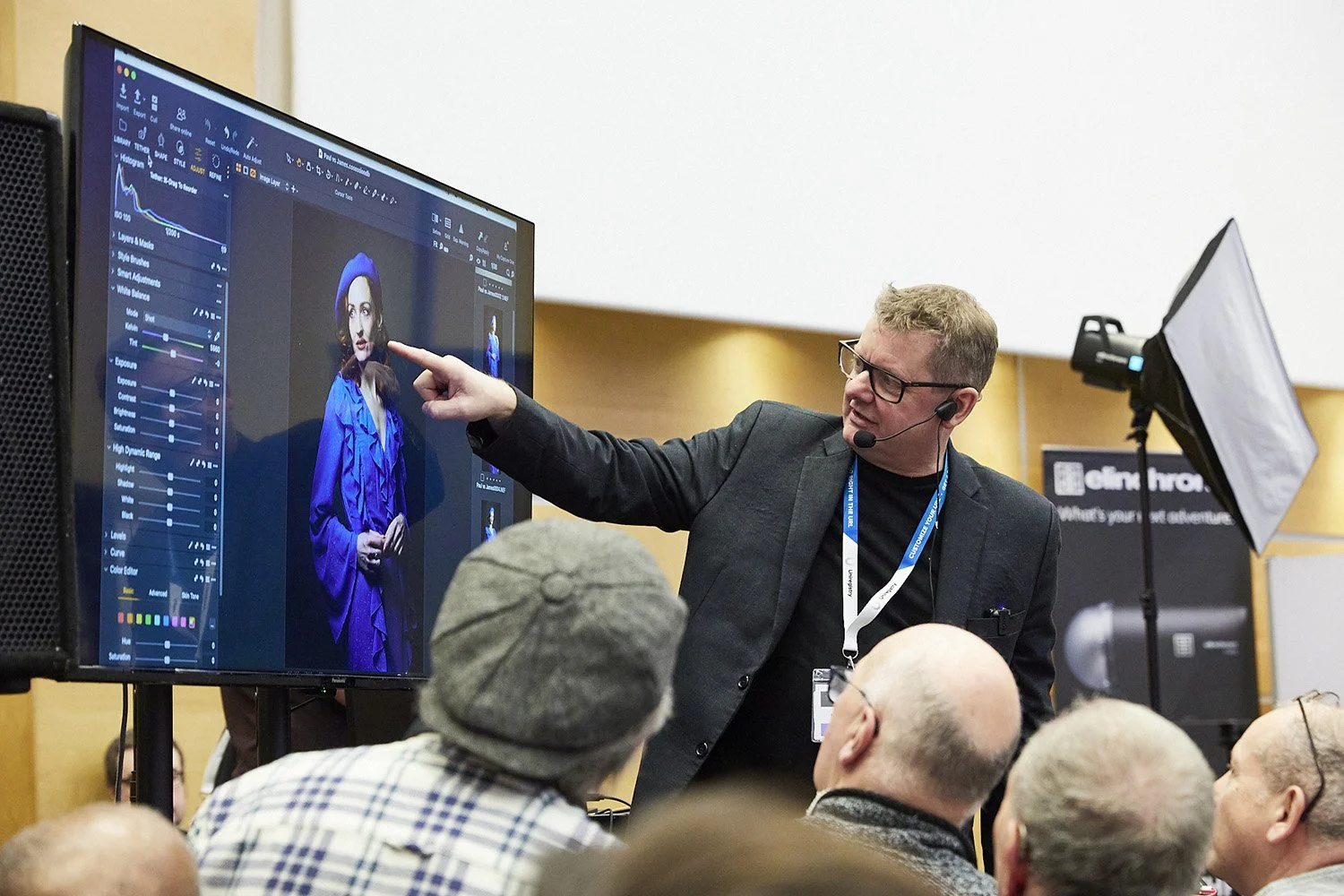
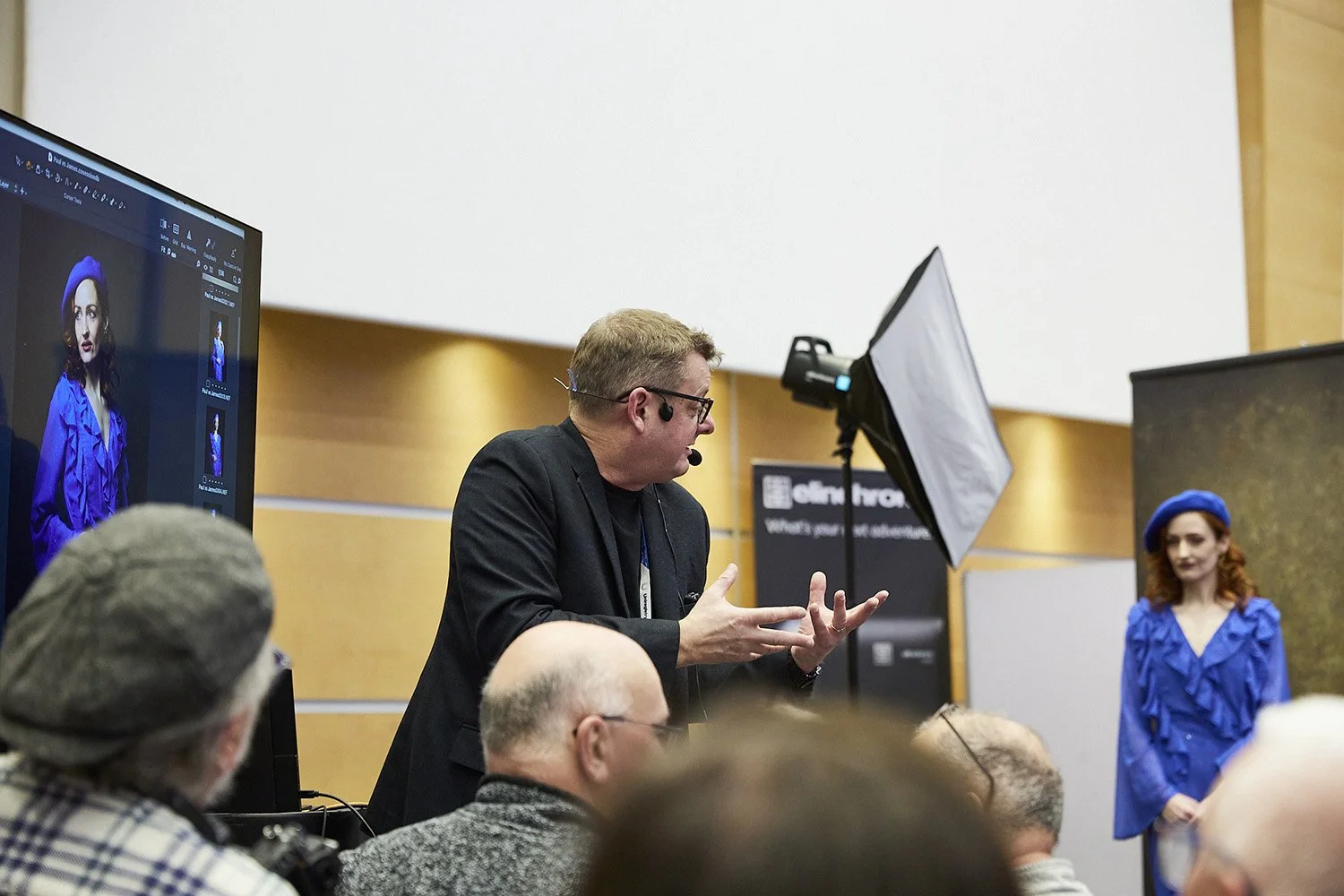
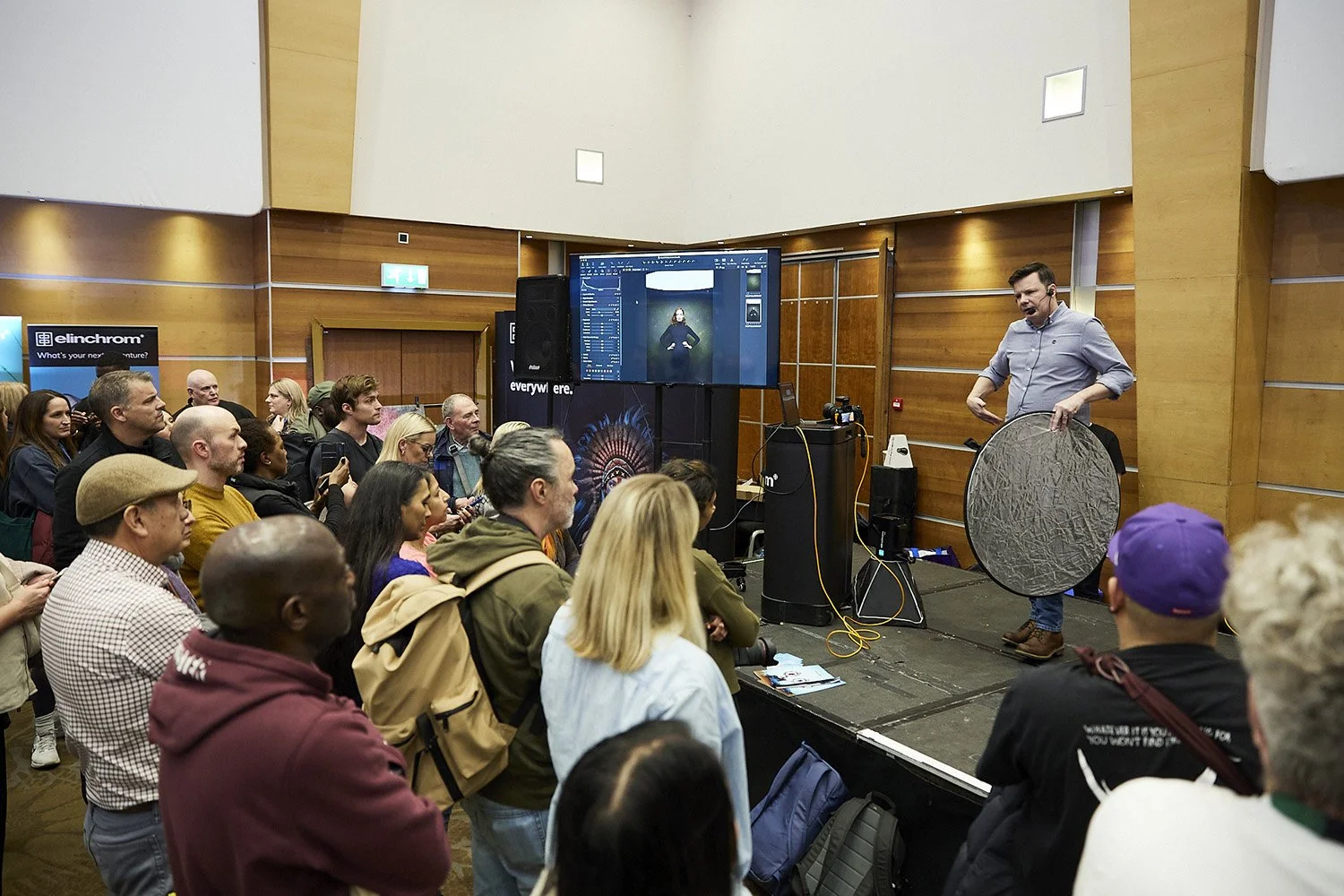
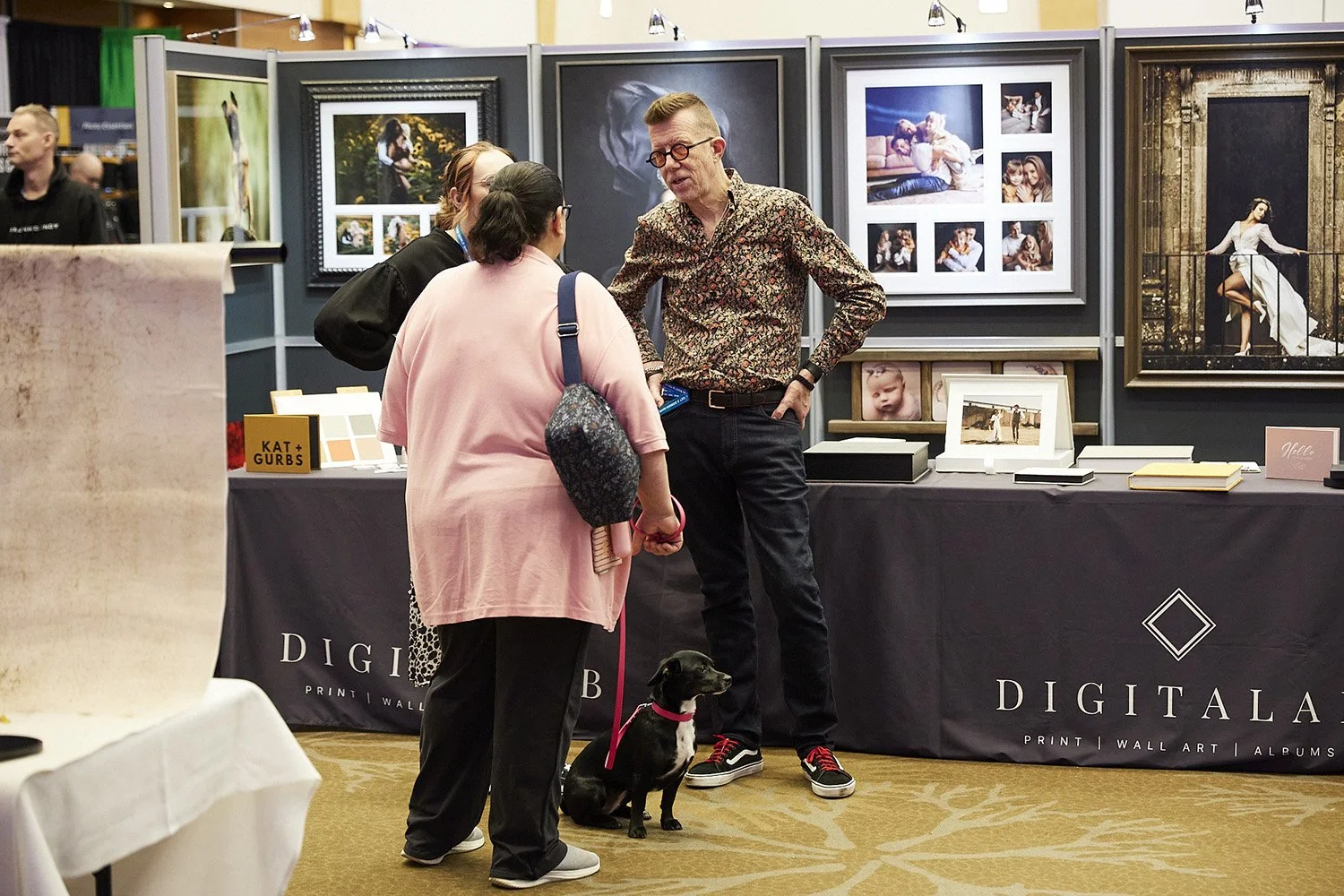
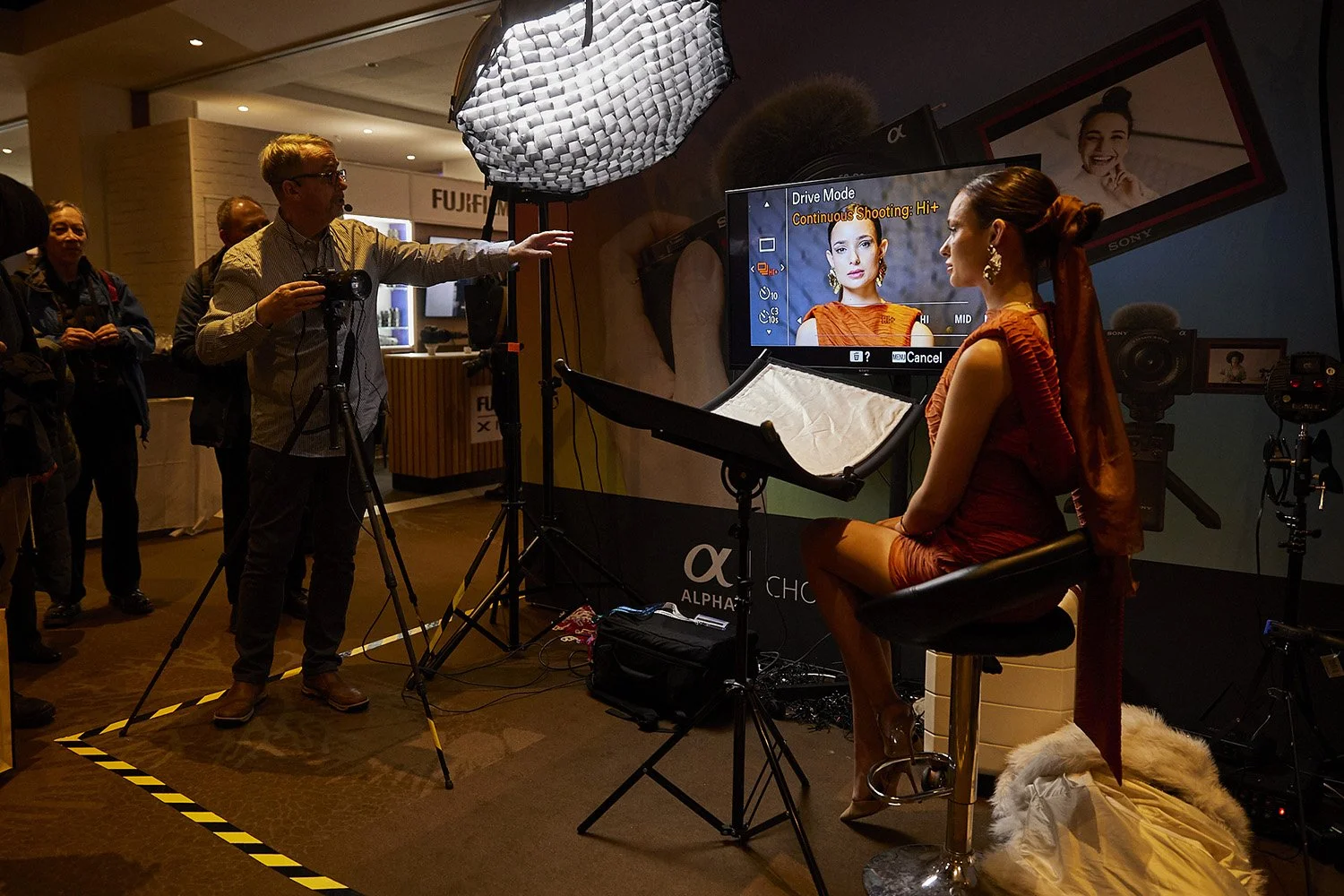
The Photography & Video Show 2026 at the National Exhibition Centre felt like a confident return to form, and from a professional event photographer’s perspective, one of the most practically engaging editions in recent years.

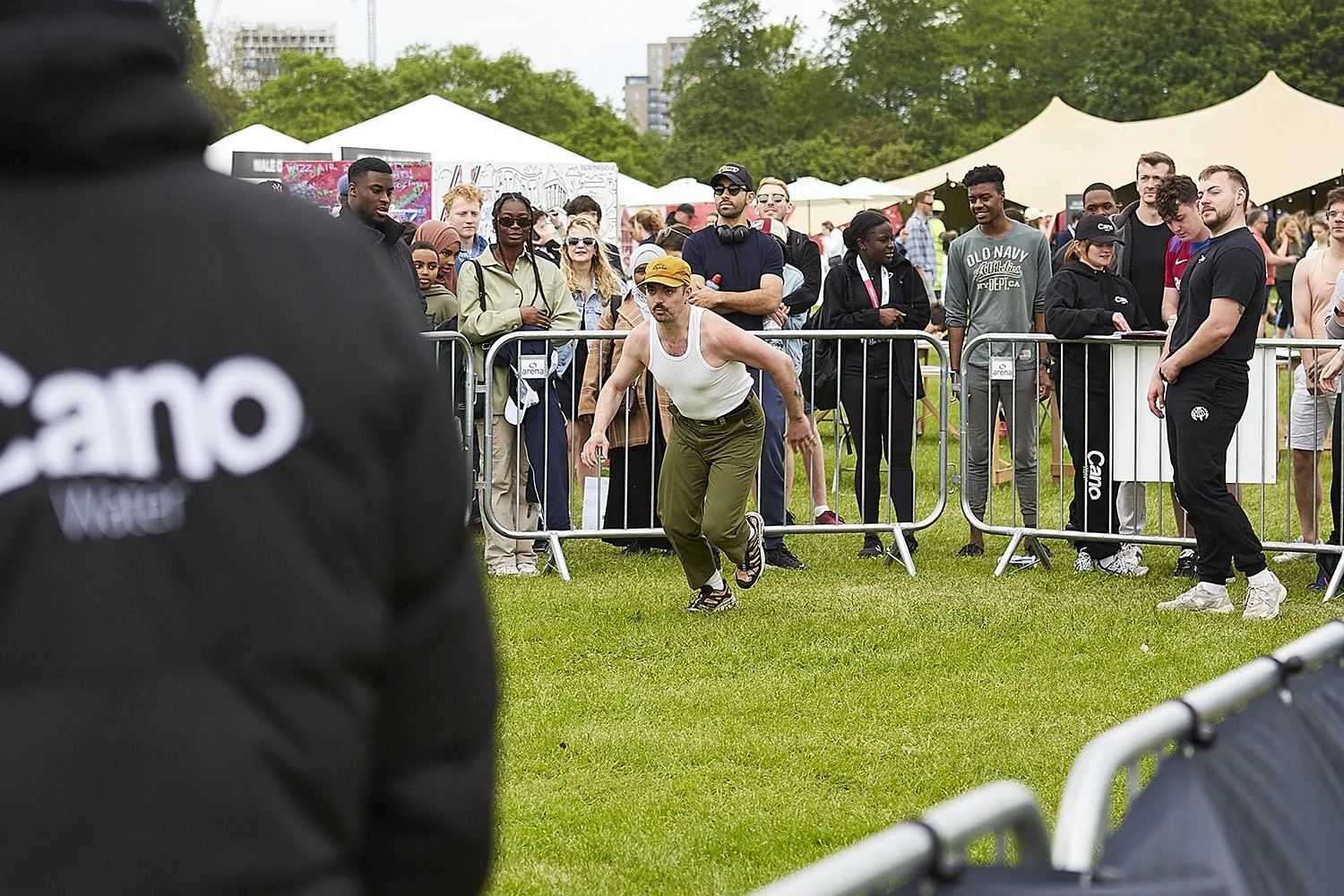
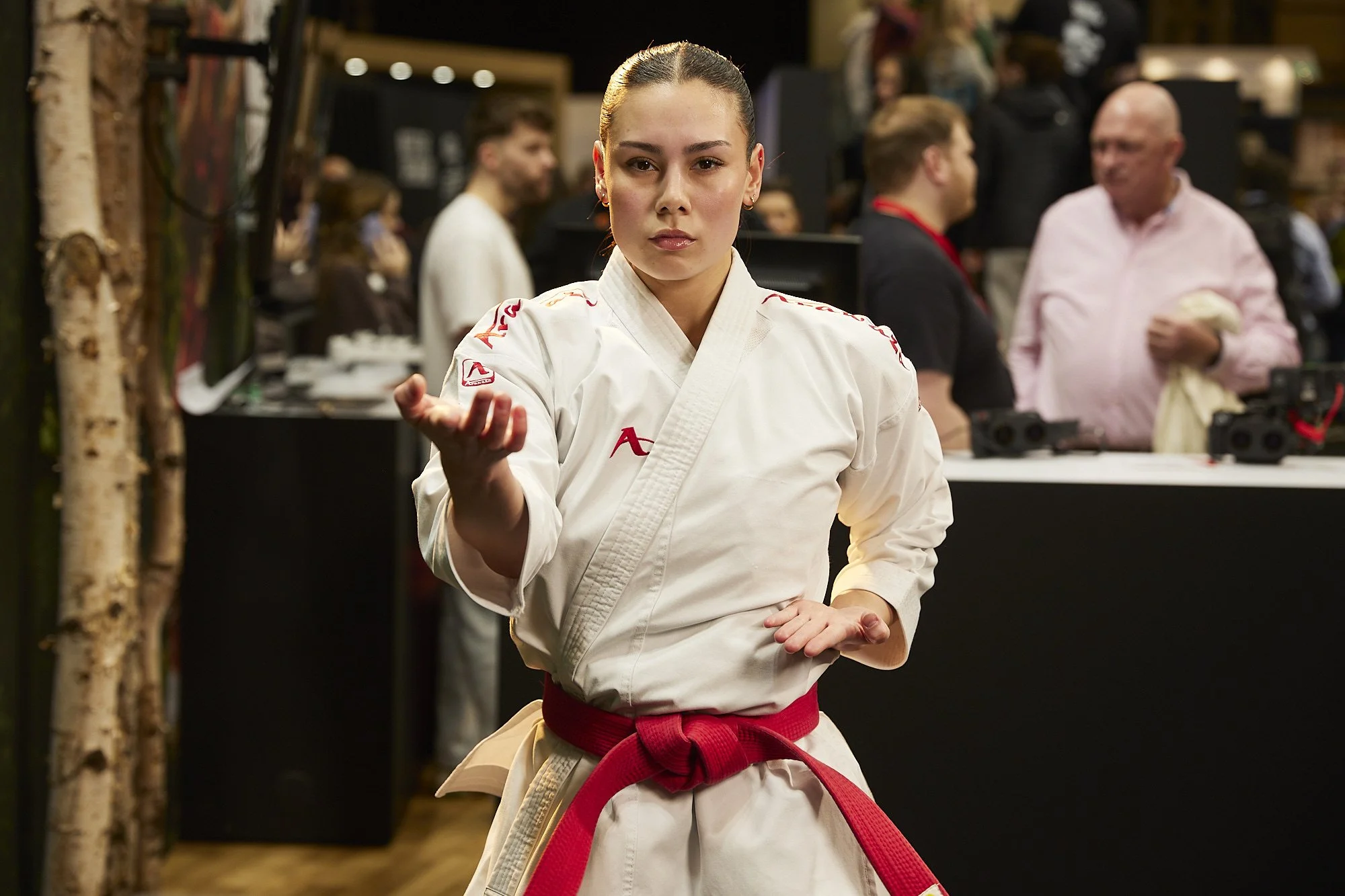
The martial arts demonstration on the Canon stand provided a unique opportunity to test the latest autofocus technology.

What stood out immediately was the focus on experience over display. Canon’s live martial arts setup was a perfect example – fast, unpredictable action that genuinely stress-tested autofocus and tracking in a way that mirrors real-world shooting. It’s rare to see brands move beyond static demos, and this felt like a step in the right direction.

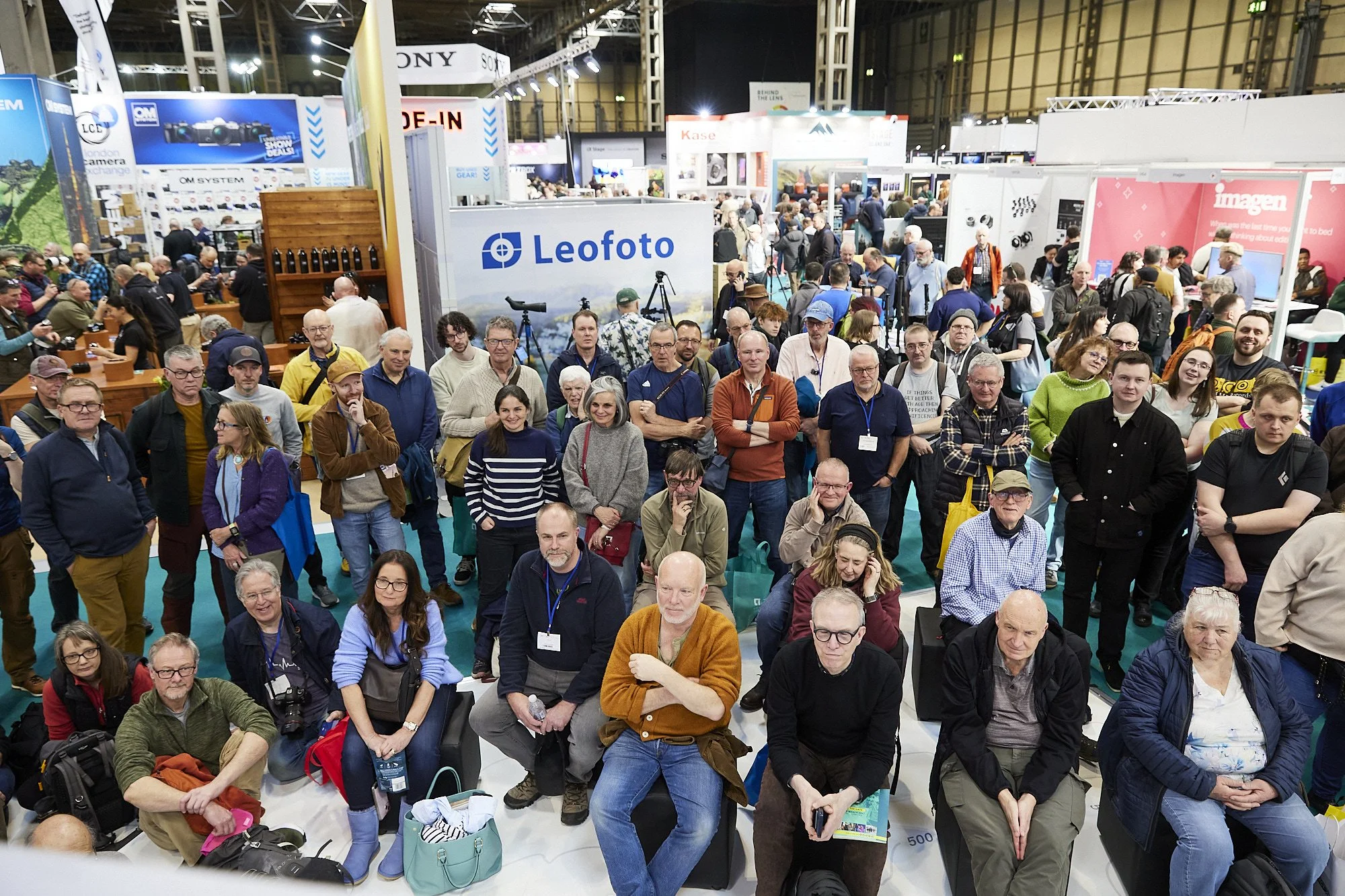
Across the show floor, there was a clear emphasis on speed, workflow, and reliability – areas that matter far more in professional environments than headline specs. Conversations around file transfer, storage, and turnaround times were everywhere, with SanDisk’s interactive stand drawing consistent crowds (and queues) thanks to a clever mix of product showcase and audience engagement.

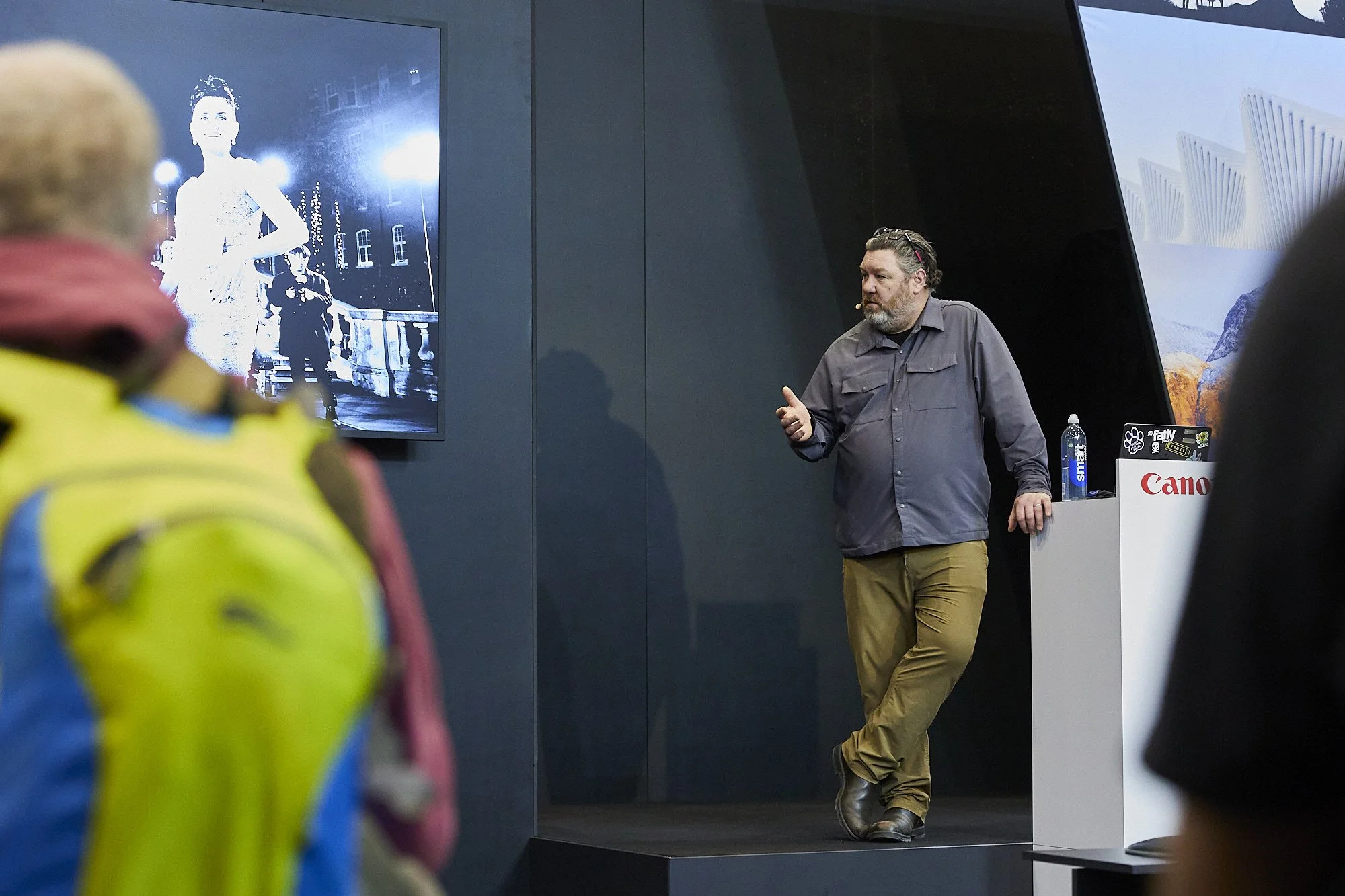
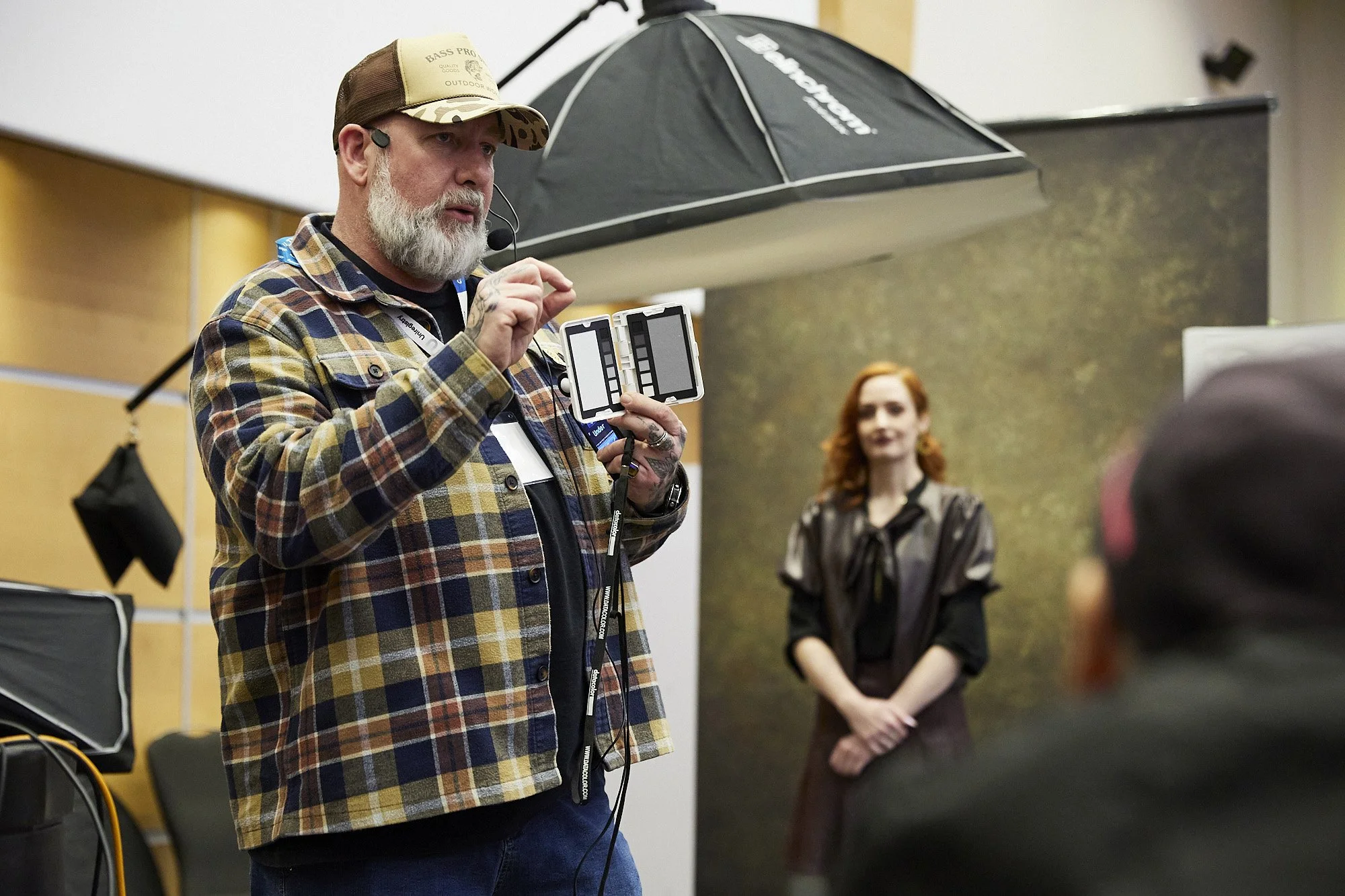
Talks and live stages leaned more into practical insight this year too. Less theory, more application – whether that’s shooting under pressure, managing clients, or adapting to hybrid photo/video demands. As someone used to working in fast-paced event environments, that shift felt particularly relevant.

If there’s a critique, it’s that some areas still lean heavily towards enthusiasts rather than working professionals. But the balance is improving, and the effort to bridge that gap is noticeable.

Overall, it’s a show that continues to evolve with the industry. For professionals, it’s less about discovering entirely new gear, and more about refining how you use it – and in that sense, 2026 delivered.

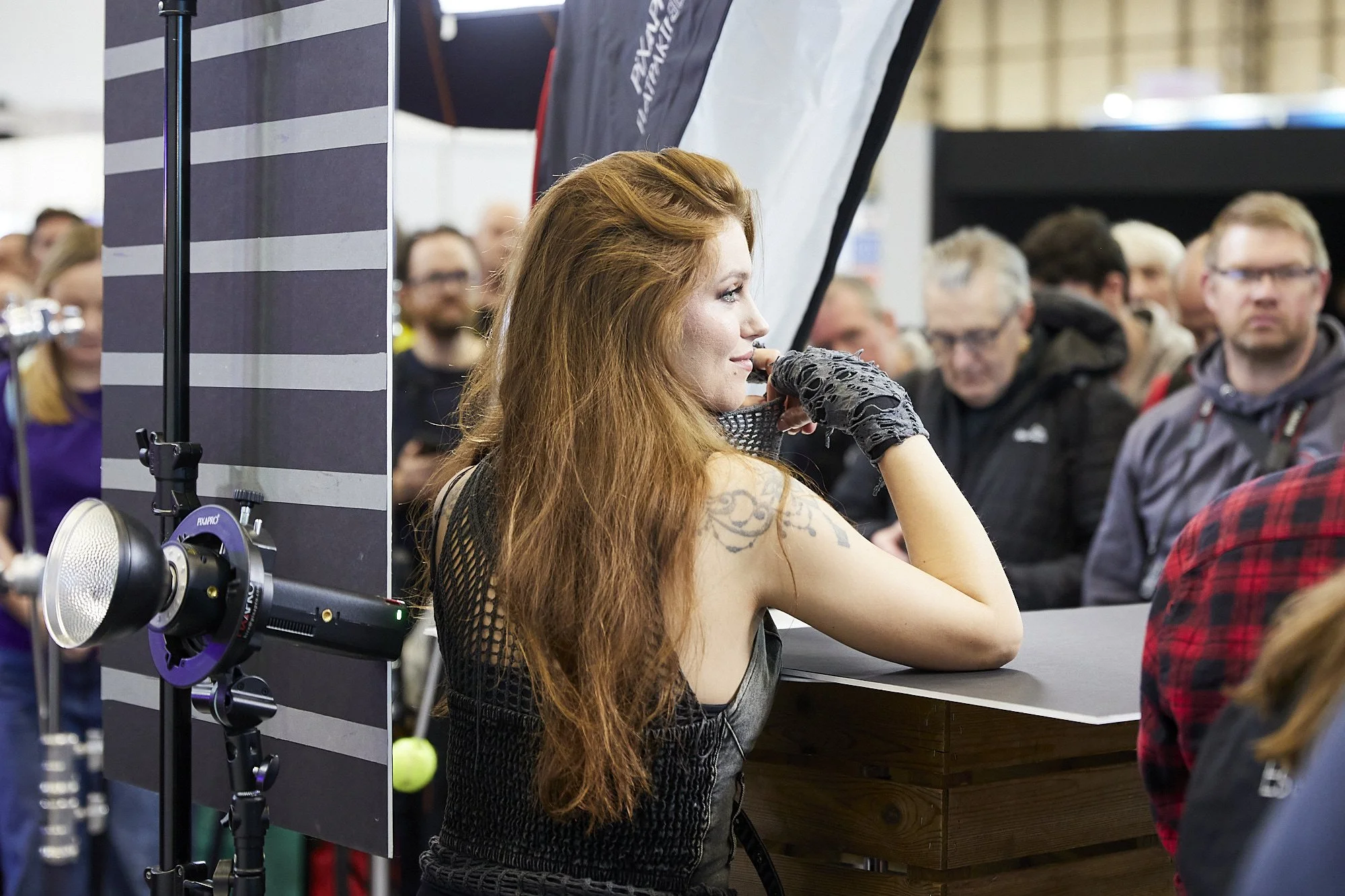
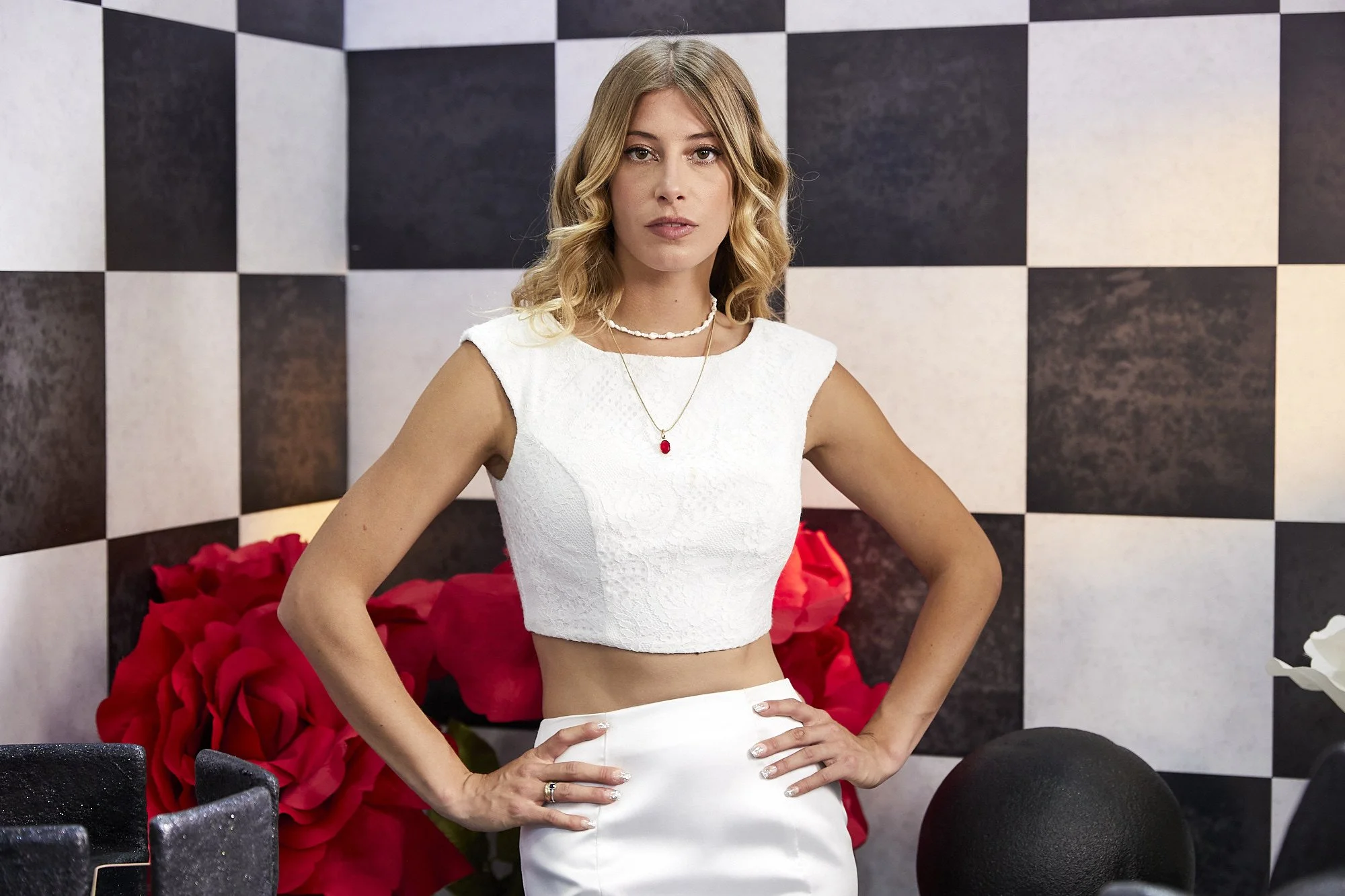
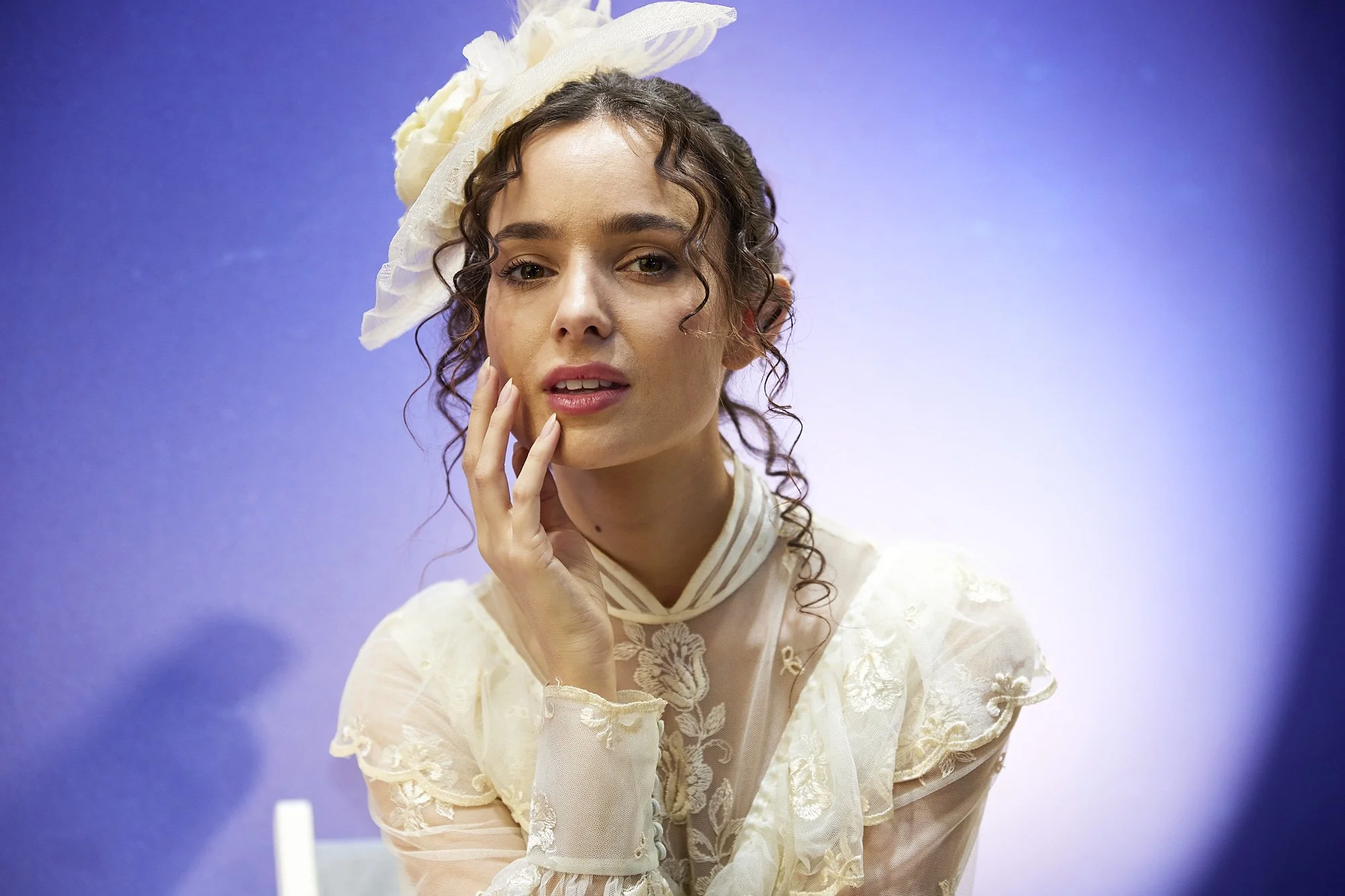
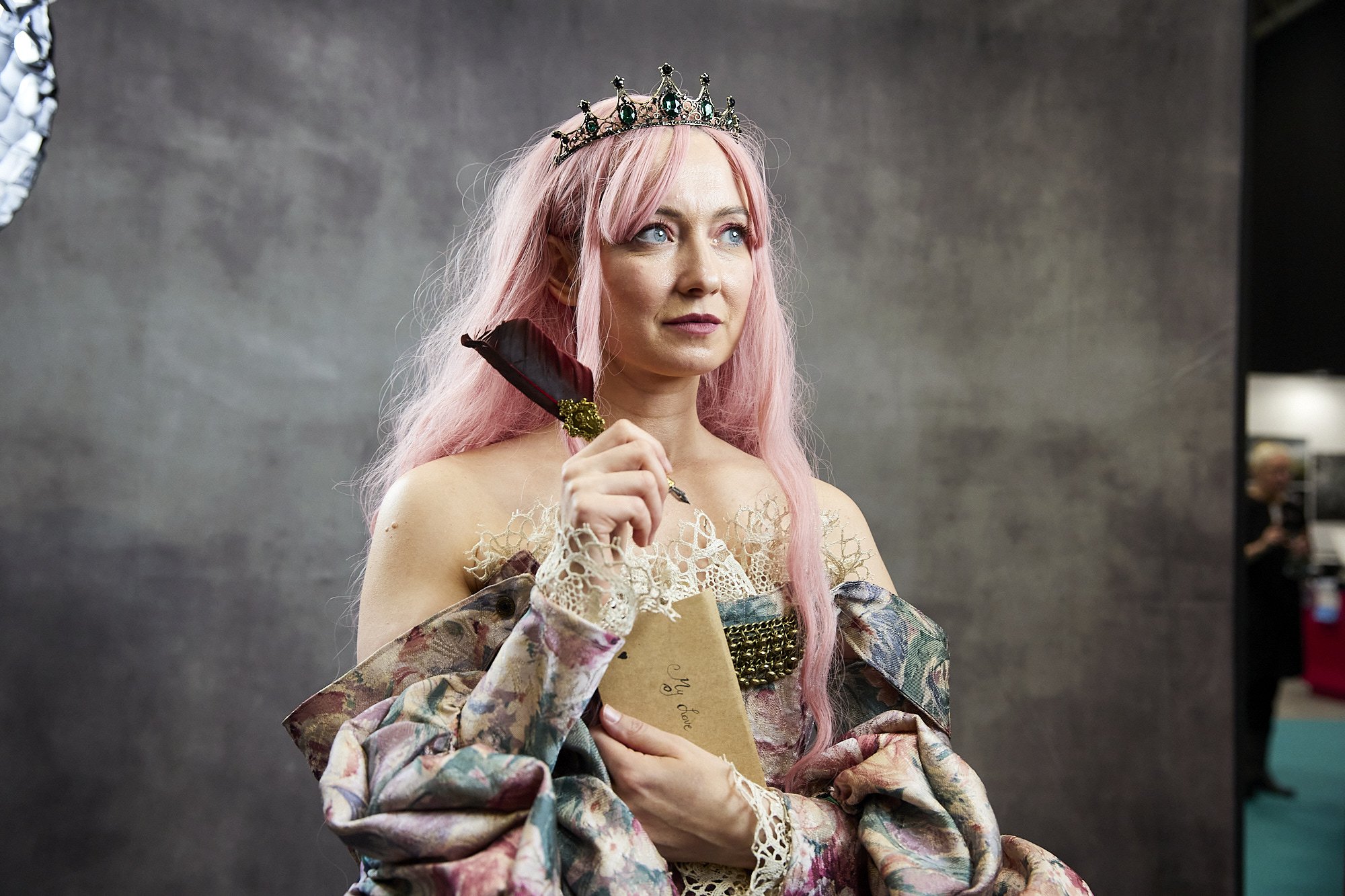
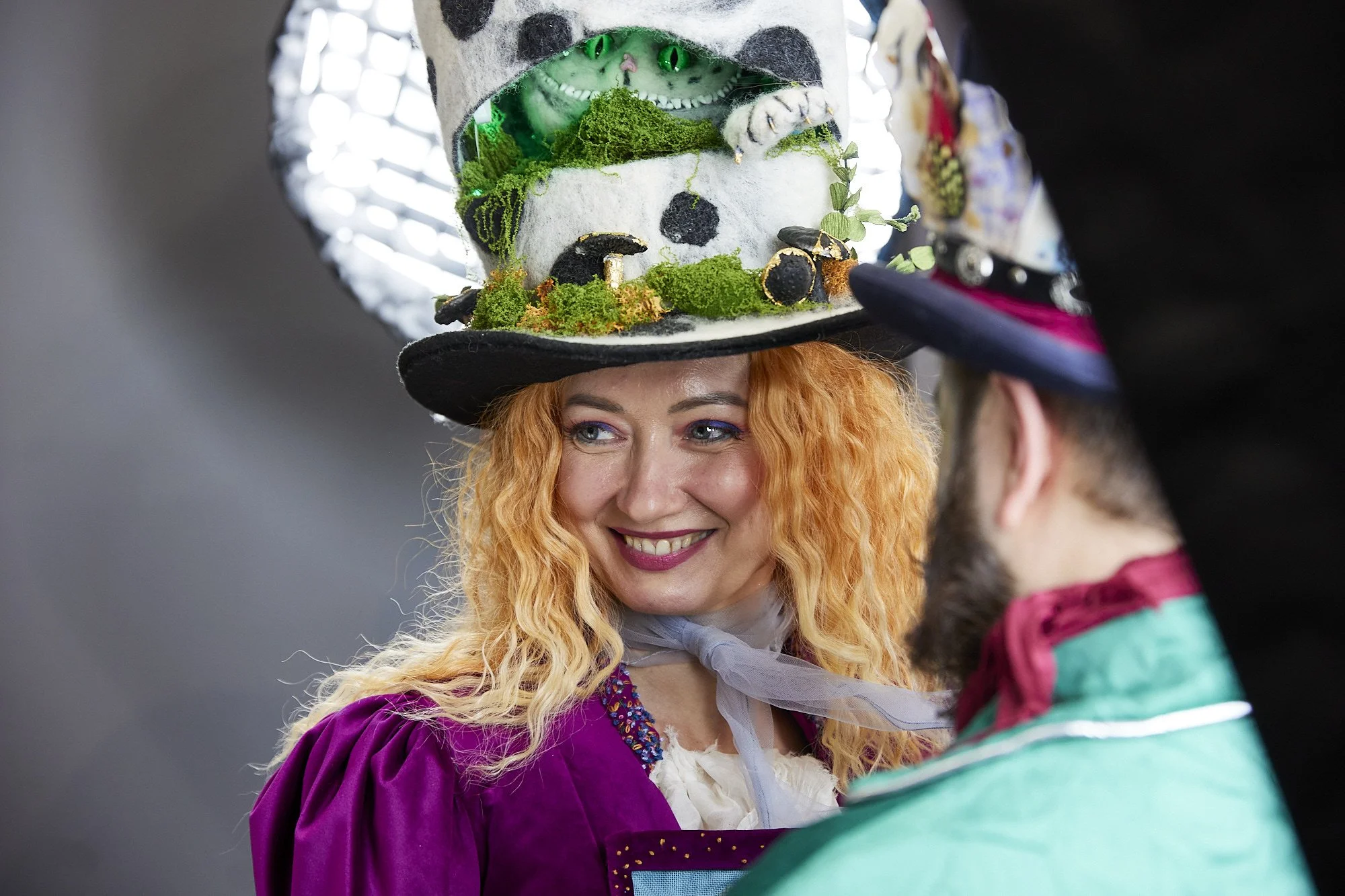
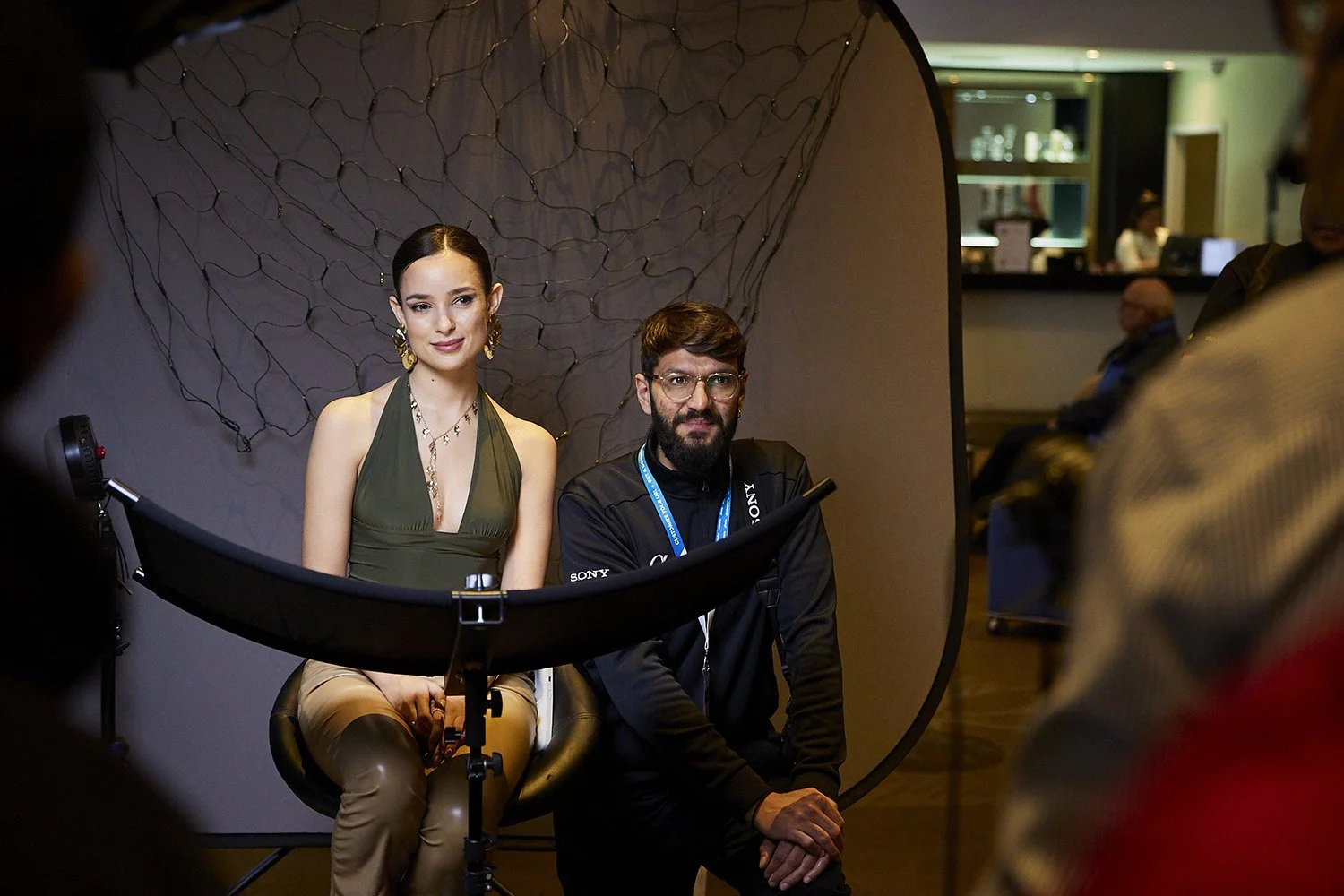
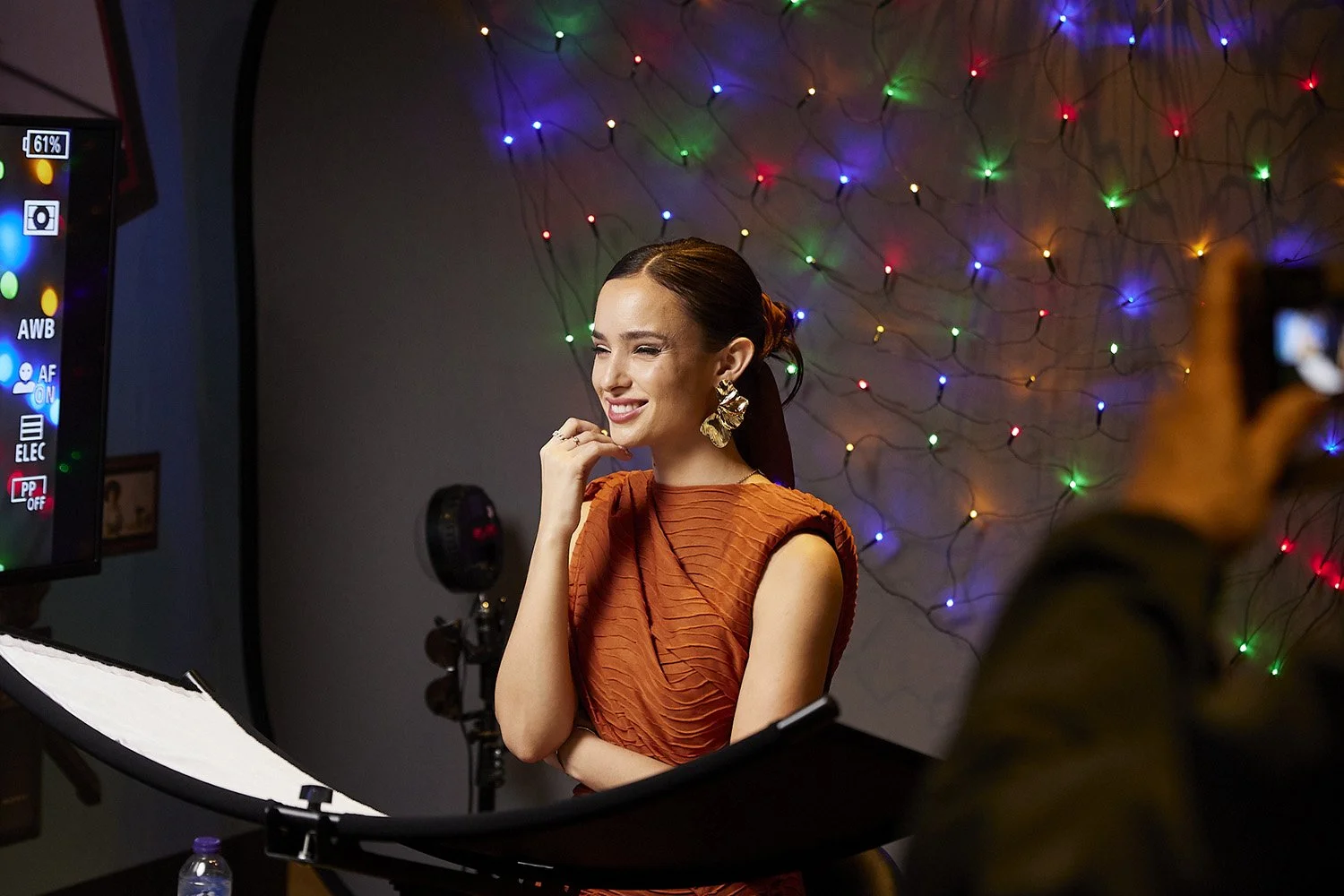
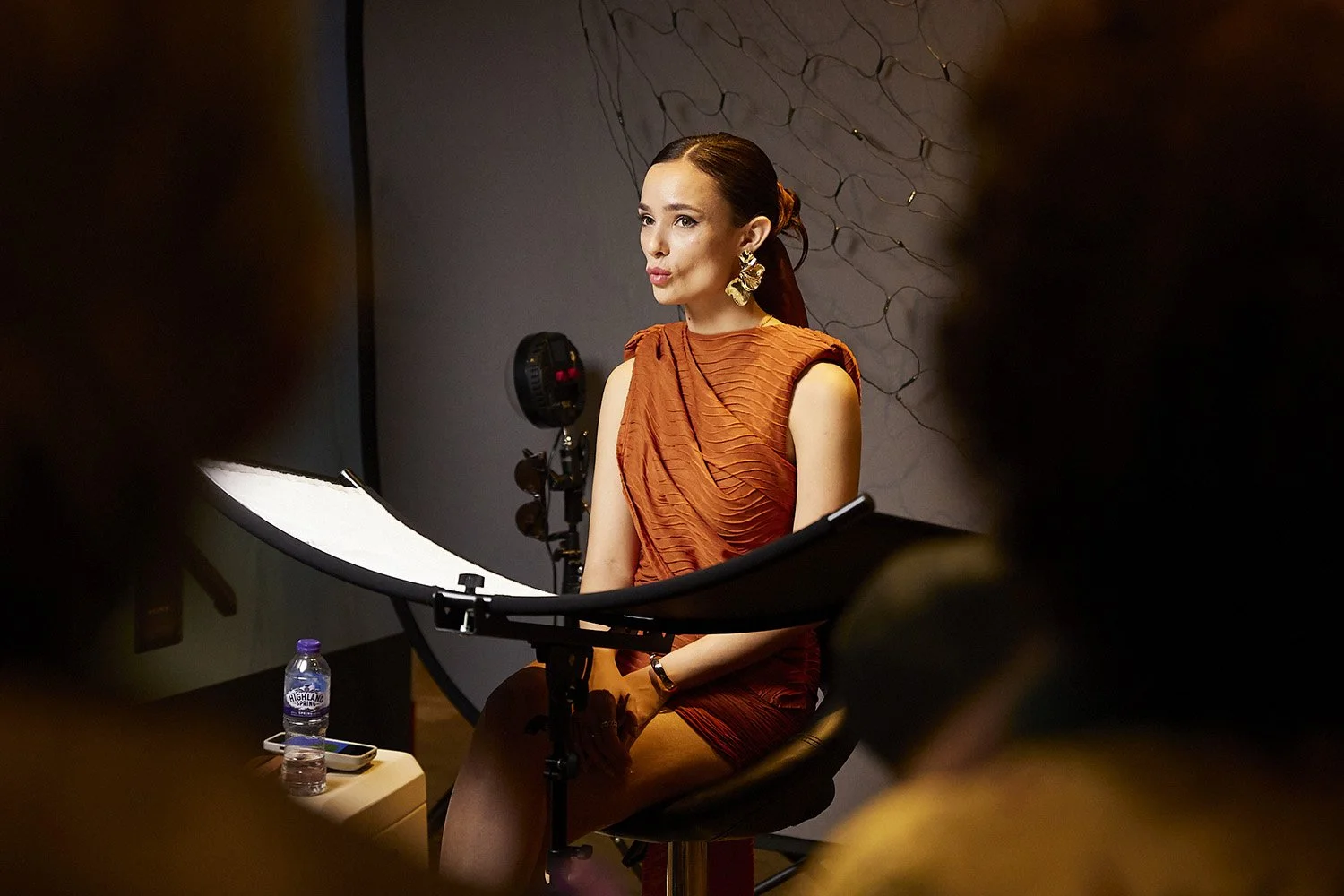
Models on the Adobe stand provide an opportunity for passing photographers to capture an image or two.